Best Fertilizers for a Vegetable Garden: Organic & Synthetic Guide
•Posted on August 21 2023

Last updated: February 8, 2026 · Reviewed against USDA Extension fertilizer guidelines and peer-reviewed soil science research
⚡ Quick Facts: Best Vegetable Garden Fertilizers
- The Big Three (NPK): Nitrogen fuels leafy growth, phosphorus builds roots and fruit, and potassium strengthens disease resistance — every vegetable needs all three
- Soil testing first: A simple soil test prevents over- or under-fertilizing, which can harm yields more than skipping fertilizer entirely
- Organic advantage: Slow-release organic fertilizers like Bone Meal and Cottonseed Meal feed plants for 1–4 months while improving soil biology
- Crop-specific matters: Tomatoes want high-P/K formulas (4-18-38), while leafy greens thrive on higher nitrogen — one fertilizer rarely fits all
- Timing is everything: Apply slow-release organics before planting, switch to high-P/K at flowering, and replenish soil after harvest
- Micronutrients count: Boron, iron, zinc, and manganese are needed in tiny amounts, but deficiencies can devastate harvests
- Shop the range: Browse organic fertilizers and crop-specific formulas from Greenway Biotech, Inc.
Choosing the best fertilizers for a vegetable garden can mean the difference between a disappointing harvest and one that fills your kitchen all season long — and according to University of Maryland Extension, well-fertilized gardens can significantly outperform unfertilized ones even in decent soil[1].
The challenge? Most garden soil is quietly missing something. Maybe phosphorus is locking up in your alkaline clay. Maybe nitrogen washed away after heavy rain. Maybe the trace minerals were never there to begin with. Fertilizers bridge the gap between what your soil provides and what your crops actually need — but only if you know which fertilizers to reach for and when to apply them.
This guide walks through the best organic and specialty fertilizers for vegetable gardens — from phosphorus-rich bone meal to slow-release cottonseed meal to crop-specific hydroponic blends. We'll cover application rates, a seasonal fertilizer schedule, the micronutrients most gardeners overlook, and even how cover crops can slash your fertilizer bill over time.
How to Choose Fertilizer for Vegetable Garden Success
The single most important step in choosing fertilizers? Start with a soil test. A basic test reveals your soil's pH, existing nutrient levels, and organic matter content — preventing both waste and the real risk of over-fertilization. According to University of Maryland Extension, the optimal soil pH for most vegetables falls between 6.5 and 6.8[1]. Most state university extension services offer affordable soil testing kits.
Once you know what your soil needs, match fertilizers to your growing system and crop types. Slow-release organic amendments like Bone Meal and Cottonseed Meal work beautifully for in-ground beds where you want steady nutrition over months. Water-soluble crop-specific formulas like Tomato Fertilizer 4-18-38 excel in containers, raised beds, and hydroponic systems where precise control matters most.
💡 Pro Tip
For most home vegetable gardens, a hybrid approach delivers the best results: build the foundation with slow-release organic amendments in early spring, then supplement with targeted water-soluble feeding during peak growth and fruiting stages. This strategy reduces fertilizer costs while maximizing plant performance.
What Is a Vegetable Fertilizer?
A vegetable fertilizer is any substance — natural or manufactured — that supplies the chemical elements plants need for growth, vigor, and productivity. Think of it as a targeted nutritional supplement: it fills the gaps your soil can't cover on its own.
The primary nutrients in vegetable fertilizers are the ones most commonly deficient in garden soil: nitrogen (N), phosphorus (P), and potassium (K). These three macronutrients form the backbone of plant metabolism, driving everything from leaf expansion to fruit development to disease resistance. But as we'll see, the secondary nutrients and micronutrients — calcium, magnesium, boron, iron, zinc — often make the difference between a decent harvest and an exceptional one.
Fertilizers come in two broad categories: synthetic (manufactured from refined mineral salts) and organic (derived from plant or animal sources). While plants absorb the same ionic forms of nutrients regardless of source[2], organic fertilizers offer a critical advantage: they release nutrients slowly as soil microbes break them down, reducing runoff risk and building long-term soil health[3]. To understand which organic options work best, see our guide on the best organic fertilizer for vegetables.
Understanding NPK: The Foundation of Plant Nutrition
Every fertilizer label displays three numbers — like 5-10-10 or 4-18-38 — representing the percentage by weight of nitrogen, phosphorus (as P₂O₅), and potassium (as K₂O). This is the NPK ratio, and understanding it is the single most useful skill for choosing the right fertilizer[4].
Nitrogen (N) — The Growth Engine
Nitrogen drives chlorophyll production and leafy growth. It's the nutrient behind lush, green foliage and is especially critical for leafy vegetables like lettuce, spinach, and cabbage. However, too much nitrogen during fruiting stages causes excessive foliage at the expense of flowers and fruit[5] — a common mistake with tomatoes and peppers. For a deeper dive into nitrogen sources and application strategies, see our guide to the best nitrogen fertilizers and our article on the function of nitrogen in plants.
Phosphorus (P) — Roots, Flowers, and Fruit
Phosphorus powers root development, flowering, and fruit set. It's involved in energy transfer (ATP) and photosynthesis at the cellular level. Root vegetables like carrots, beets, and onions are especially hungry for phosphorus, as are fruiting crops during their reproductive phase[4].
Potassium (K) — The Immune System
Potassium regulates water balance, activates enzymes, and strengthens a plant's resistance to drought, disease, and temperature stress. It's critical for overall crop quality — affecting flavor, color, and storage life of harvested produce[6]. Our guide to the function of potassium in plants explains why this nutrient deserves more attention, and our best potassium fertilizer roundup covers your options.
🔬 Did You Know?
A 5-10-10 fertilizer and an 8-16-16 fertilizer have the same nutrient ratio (1-2-2), but the 8-16-16 is more concentrated — meaning you need less of it per square foot. Matching the ratio to your crop's needs matters more than the absolute numbers[4].
The Best Organic Fertilizers for Vegetable Gardens
Organic fertilizers release nutrients gradually as soil microorganisms break down their complex organic compounds. This slow-release mechanism means less risk of burning plants, less nutrient runoff into waterways, and a steady supply of nutrition over weeks to months[3].
Bone Meal 3-15-0 — The Phosphorus Powerhouse
Bone Meal from Greenway Biotech, Inc. is one of the most effective organic sources of phosphorus available to gardeners. With an NPK of 3-15-0 and approximately 24% calcium, it delivers exactly what flowering and fruiting vegetables need most.
Phosphorus from bone meal is released slowly as soil microbes and naturally occurring acids break down the ground bone particles. According to Colorado State University Extension, bone meal nutrients become available over a span of 1–4 months, making it an excellent pre-plant amendment[7]. The calcium content is a significant bonus for tomato growers — adequate calcium helps prevent blossom-end rot, one of the most frustrating problems in home vegetable gardens. For more on calcium's role, check our guide to the best calcium fertilizer.
⚠️ Important: Check Your Soil pH First
Bone meal is most effective in acidic to neutral soils (pH below 7.0). In alkaline soils, phosphorus from bone meal becomes chemically bound and unavailable to plant roots[7]. If your soil pH is above 7.0, consider Elemental Sulfur to lower pH before applying bone meal, or use an alternative phosphorus source like Fish Bone Meal 4-17-0.
Bone meal is ideal for root vegetables (carrots, beets, onions, garlic), fruiting crops (tomatoes, peppers, squash), flowering bulbs, and transplants that need strong root establishment. Apply approximately 3 cups per 100 square feet mixed into the top 4–6 inches of soil, or add a tablespoon per planting hole for transplants.
🌱 Recommended: Bone Meal Fertilizer 3-15-0
Slow-release phosphorus and 24% calcium for vigorous root systems, healthy blooms, and abundant fruit set. 100% natural and organic.
Shop Bone MealCottonseed Meal 5-2-1 — The Gentle Nitrogen Source
Cottonseed Meal is a slow-release, acidifying fertilizer that's practically impossible to over-apply. The heavy protein content in the cotton meal slows decomposition, meaning soil microbes release the nitrogen, phosphorus, and potassium gradually over 1–4 months[8].
What makes cottonseed meal particularly valuable is its versatility beyond nutrition. Its high organic content improves soil structure — aerating tight, dense clay soils while helping sandy soils retain moisture[8]. The slightly acidic nature (it lowers soil pH) makes it especially useful for acid-loving crops and for gardens with alkaline soils where elements like iron and magnesium become locked up.
Greenway Biotech, Inc.'s Cottonseed Meal 5-2-1 is 100% natural and infused with seven essential strains of beneficial soil microbes. Apply 4–6 pounds per 100 square feet for new garden beds, or 2–4 pounds for established gardens. It's excellent for vegetables, berries, turf, and landscape plants.
More Organic Options Worth Knowing
Bone meal and cottonseed meal are standouts, but the organic fertilizer toolkit is deep. Here are several more that belong in any serious vegetable gardener's rotation:
For a complete selection, browse the full organic fertilizer collection from Greenway Biotech, Inc.
🔬 Did You Know?
The concept of using bone meal as fertilizer dates back to around 1840, when German chemist Justus von Liebig proposed dissolving animal bones in sulfuric acid to release phosphorus for crops. Before modern fertilizer production, farmers reportedly collected bones from major European battlefields to replenish depleted soils[7].
What Is the Best Fertilizer for a Vegetable Garden?
There's no single "best" fertilizer that works for every vegetable, every soil type, and every growing system — but water-soluble crop-specific formulas come closest to a universal solution for home gardens. These formulas let you fine-tune nutrition for individual vegetables during critical growth stages, and they're especially valuable for container gardens, raised beds, and hydroponic systems where soil reserves are limited.
Cucumber Fertilizer 8-16-36 Plus Micro Nutrients
Cucumbers are heavy feeders that require abundant potassium for fruit development and disease resistance. The Cucumber Fertilizer 8-16-36 from Greenway Biotech, Inc. delivers a precisely balanced ratio of nitrogen, phosphorus, and potassium, plus chelated micronutrients including iron, manganese, zinc, and copper.
The high potassium content (36%) is intentional — potassium drives water regulation in cucumber cells, directly affecting fruit size, crispness, and flavor. The chelated micronutrients keep foliage green and lush while supporting the enzymes that fight off powdery mildew and other common cucumber diseases. For detailed guidance on cucumber nutrition, check out our Complete Buying Guide for Cucumber Fertilizers. For hydroponic growers, our guide to the best fertilizers for hydroponics covers specialized nutrient management.
More Crop-Specific Formulas
Different vegetables have genuinely different nutritional needs, especially during fruiting. Here's how Greenway Biotech, Inc.'s crop-specific line matches up:
All of these formulas are fully water-soluble and can be used for soil drench, foliar feeding, or hydroponic systems. Browse the full water-soluble fertilizer collection for additional options including Calcium Nitrate 15.5-0-0 and Epsom Salt (Magnesium Sulfate) for targeted supplementation. For more on choosing the right delivery method, see our guide on How to Pick the Best Water Soluble Fertilizer for Your Needs.
When Is the Best Time to Fertilize a Vegetable Garden?
Timing matters almost as much as product selection. According to Texas A&M AgriLife Extension, matching fertilizer applications to growth stages is one of the most impactful things a home gardener can do[9]. The most critical fertilizing windows are:
4–6 weeks before planting — Work slow-release organic amendments like Bone Meal and Cottonseed Meal into the top 4–6 inches of soil. This foundation-building application gives soil microbes time to begin breaking down organic matter and releasing nutrients before your vegetables need them.
At transplanting — A tablespoon of Bone Meal in each planting hole provides an immediate phosphorus boost for root establishment. Calcium Nitrate 15.5-0-0 works as an excellent transplant drench, providing quickly available nitrogen and calcium simultaneously.
During active vegetative growth — Side-dress nitrogen-heavy feeders (corn, lettuce, brassicas) with Blood Meal or a balanced liquid feed every 2–3 weeks. The Old Farmer's Almanac specifically recommends switching away from high-nitrogen once fruiting crops begin to flower, since excess nitrogen at this stage causes excessive foliage at the expense of fruit[5].
At flowering and fruiting — Switch to high-phosphorus and high-potassium formulas like Tomato Fertilizer 4-18-38 or Pepper & Herb 11-11-40. Supplement with Potassium Sulfate 0-0-53 for extra potassium during peak fruiting. University of Maine Extension specifically warns against heavy nitrogen applications during fruiting stages for tomatoes[10].
After harvest — Replenish depleted soil with a fall application of Kelp Meal and Alfalfa Meal, which decompose over winter and enrich soil biology for next season. Texas A&M Extension notes that fall gardens following a well-fertilized spring garden typically need only about half the original fertilizer rate[9].
Seasonal Vegetable Garden Fertilizer Schedule
Here's a detailed season-by-season framework that works for most vegetable gardens:
🌱 Early Spring (4–6 Weeks Before Planting)
This is foundation-building time. Incorporate slow-release organic amendments into the top 4–6 inches of soil. Bone Meal, Cottonseed Meal, and Azomite are excellent pre-plant choices. A base layer of compost enriches the biological community that activates these fertilizers. If your soil test reveals low nitrogen, Ammonium Sulfate 21-0-0 provides a quick-release nitrogen boost — learn more in our guide to ammonium sulfate uses.
🌿 At Transplanting (Planting Day)
Add a tablespoon of Bone Meal to each planting hole for phosphorus-hungry crops. For transplants going into containers or raised beds, a dilute application of water-soluble fertilizer helps roots establish quickly. Calcium Nitrate 15.5-0-0 is an excellent transplant drench — it provides immediately available nitrogen and calcium simultaneously.
☀️ Active Vegetative Growth (Late Spring–Early Summer)
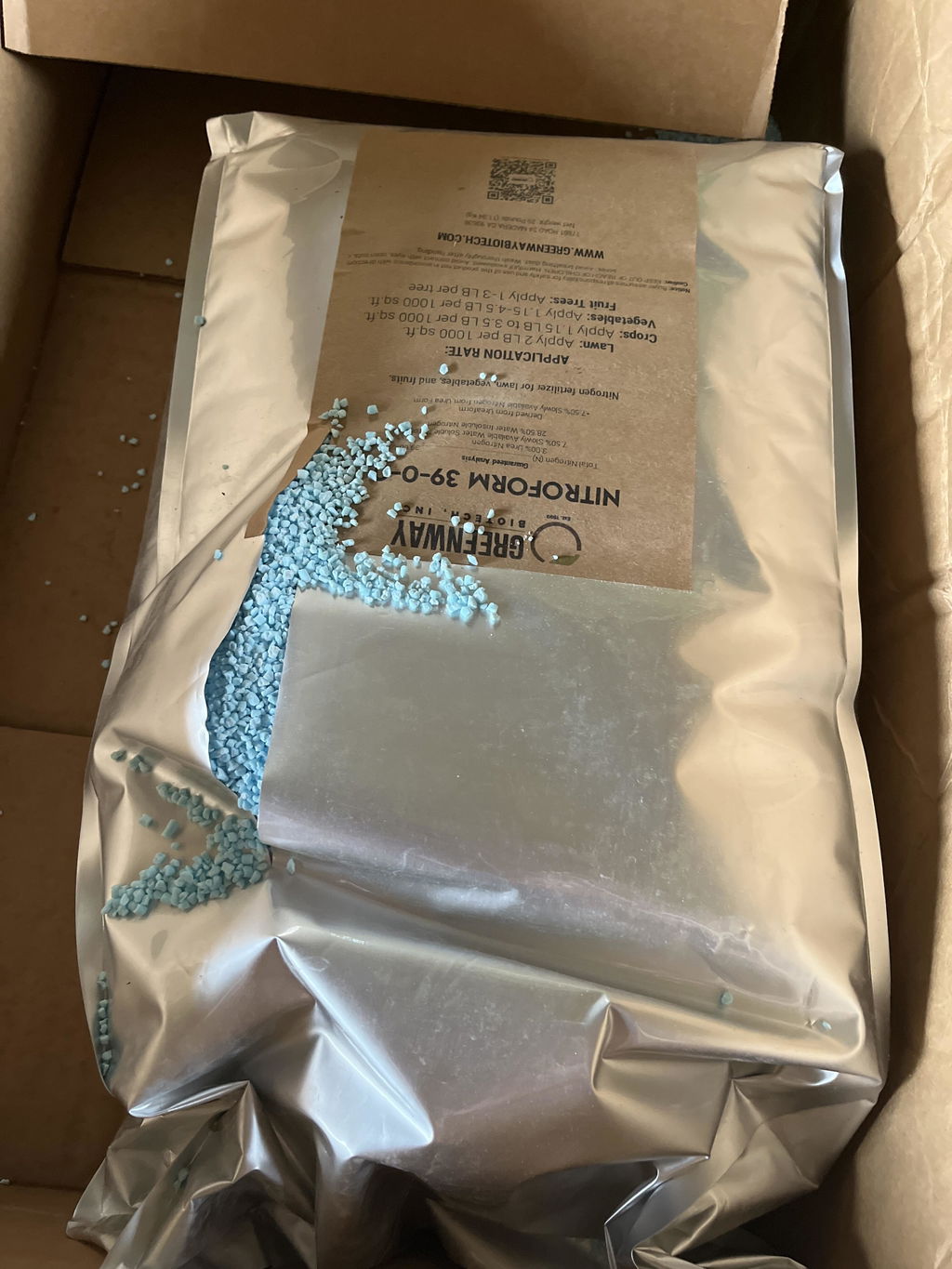
Side-dress nitrogen-heavy feeders (corn, lettuce, brassicas) with Blood Meal or a balanced liquid feed every 2–3 weeks. The Old Farmer's Almanac recommends switching away from high-nitrogen once fruiting crops begin to flower, since excess nitrogen at this stage causes excessive foliage at the expense of fruit[5]. For slow-release nitrogen that won't cause burn, Nitroform 39-0-0 releases nitrogen gradually over 8–16 weeks.
🌸 Flowering and Fruiting (Mid-Summer)
Switch to high-P/K formulas. This is when crop-specific fertilizers like Tomato Fertilizer 4-18-38 or Pepper & Herb 11-11-40 earn their keep. Supplement with Potassium Sulfate 0-0-53 for extra potassium, and ensure adequate boron with a dilute Boric Acid foliar spray if your soil test indicates deficiency. Avoid heavy nitrogen applications now — University of Maine Extension specifically warns against nitrogen during fruiting stages for tomatoes[10].
🍂 After Harvest (Fall)
Replenish depleted soil with a fall application of organic amendments. Kelp Meal and Alfalfa Meal decompose over winter, enriching the soil biology for next season. If your soil pH needs adjusting, fall is the ideal time to apply amendments like Elemental Sulfur (to lower pH) or Gypsum (to improve structure without changing pH). Texas A&M Extension notes that fall gardens following a well-fertilized spring garden typically need only about half the original fertilizer rate[9].
💡 Container Garden Tip
Container vegetables need more frequent feeding because nutrients wash out with regular watering. Apply water-soluble fertilizers at half-strength every week rather than full-strength every two weeks. University of Maryland Extension confirms that watering results in the leaching of nutrients from containers, making consistent light feeding the most effective approach[11].
The Overlooked Power of Micronutrients
Most gardeners focus entirely on NPK — and that's understandable, since those are the nutrients plants consume in the largest quantities. But micronutrients like boron, iron, zinc, manganese, and copper are the unsung heroes of plant biochemistry. They're needed in tiny amounts, yet deficiencies can cause dramatic problems from hollow stems to poor fruit set to yellowed leaves that no amount of nitrogen will fix.
Boron — The Pollination Essential
Boron plays a critical role in cell wall synthesis, cell division, sugar transport, and — most importantly for vegetable gardeners — pollination and fruit set[12]. Boron requirements are much higher during reproductive growth, which means a deficiency at flowering time can collapse yields even when the plant looks otherwise healthy[13].
Greenway Biotech, Inc.'s Boric Acid Fertilizer provides 17% pure boron in a highly water-soluble form. At low concentrations, it serves as an essential micronutrient supplement that supports pollen germination, pollen tube growth, nitrogen metabolism, and protein formation[12]. At higher concentrations, boric acid also functions as a natural pest deterrent — making it one of the most versatile products in any garden toolkit. For more on how boron supports your garden ecosystem, read The Importance of a Pollinator-Friendly Garden and How Boric Acid Can Help.
⚠️ Boron: A Little Goes a Long Way
The margin between boron deficiency and toxicity is narrower than for any other micronutrient[13]. Always follow label rates precisely and start with lower application rates. Foliar sprays should be diluted carefully, and soil applications typically require only 0.5–3 lbs per acre depending on deficiency level.
Iron, Zinc, Manganese, and Copper
These four metals serve as cofactors in dozens of plant enzymes. Iron drives chlorophyll synthesis and nitrogen fixation. Zinc supports stem elongation and cold tolerance. Manganese powers photosynthesis. Copper activates enzymes involved in lignin synthesis and respiration[6].
Chelated forms of these micronutrients remain plant-available across a wider pH range than sulfate forms, making them particularly valuable in alkaline soils where standard micronutrients get locked up. Greenway Biotech, Inc. offers the full range: Chelated Iron EDTA, Chelated Zinc EDTA, Chelated Manganese EDTA, and Chelated Copper EDTA. Browse the complete chelated micronutrient collection for details.
🔬 Did You Know?
Adequate boron nutrition actually improves a plant's ability to absorb phosphorus and potassium. Research has shown that boron maintains proper root cell membrane function (ATPase activity), and in corn experiments, reduced P and K uptake under boron deficiency was restored within just one hour after boron was reintroduced[13].
Fertilizer Dosage Quick Reference
Getting the right application rate is just as important as choosing the right fertilizer. Here's a quick reference table for Greenway Biotech, Inc.'s most popular vegetable garden products:
| Fertilizer | In-Ground Rate | Container Rate | Frequency |
|---|---|---|---|
| Bone Meal 3-15-0 | 3 cups / 100 sq ft | 1 tbsp / planting hole | Once at planting |
| Cottonseed Meal 5-2-1 | 4–6 lbs / 100 sq ft | 2 tbsp / gallon of soil | Once at planting, once mid-season |
| Blood Meal 13-0-0 | 1–2 lbs / 100 sq ft | 1 tbsp per gallon of soil | Every 4–6 weeks |
| Tomato Fertilizer 4-18-38 | 1–2 tsp / gallon water | 1 tsp / gallon water | Every 1–2 weeks (water-soluble) |
| Cucumber Fertilizer 8-16-36 | 1–2 tsp / gallon water | 1 tsp / gallon water | Every 1–2 weeks (water-soluble) |
| Kelp Meal 2-0-4 | 1–2 lbs / 100 sq ft | 1 tbsp per gallon of soil | Once at planting, once in fall |
| Azomite Trace Minerals | 1–2 lbs / 100 sq ft | 1 tbsp per gallon of soil | Once per season |
Always verify rates against the product label. Rates may vary based on soil conditions, crop type, and existing fertility levels.
Fertilizer Comparison: Finding Your Best Match
With so many options available, it helps to see them side by side. The table below compares the key organic and specialty fertilizers for vegetable gardens by nutrient content, release speed, and best use case.
| Fertilizer | NPK | Release Speed | Best For | Key Bonus |
|---|---|---|---|---|
| Bone Meal | 3-15-0 | Slow (1–4 months) | Root crops, tomatoes, bulbs | 24% calcium |
| Cottonseed Meal | 5-2-1 | Slow (1–4 months) | Acid-loving crops, general feeding | Soil structure improvement |
| Blood Meal | 13-0-0 | Medium (2–6 weeks) | Leafy greens, nitrogen-hungry crops | Deters deer/rabbits |
| Kelp Meal | 2-0-4 | Slow (1–3 months) | All vegetables, stress recovery | 60+ trace minerals |
| Alfalfa Meal | 2.5-0.5-2.5 | Slow (1–3 months) | Roses, general garden, compost | Natural growth stimulant |
| Cucumber Fertilizer | 8-16-36 | Fast (water-soluble) | Cucumbers, vine crops | Chelated micronutrients |
| Tomato Fertilizer | 4-18-38 | Fast (water-soluble) | Tomatoes, eggplant | Chelated micronutrients |
| Boric Acid | 0-0-0 (17% B) | Fast (water-soluble) | All crops at flowering stage | Natural pest deterrent |
| Nitroform | 39-0-0 | Slow (8–16 weeks) | Heavy feeders, lawns | Won't burn, no leaching |
Cover Crops: Growing Your Own Fertilizer
One of the most underused tools in a vegetable gardener's arsenal isn't a product you buy — it's a crop you grow. Cover crops (sometimes called "green manures") are plants grown specifically to improve soil fertility, structure, and biology between your main vegetable seasons[14].
The concept is simple: instead of leaving garden beds bare after harvest (which invites erosion, weed growth, and nutrient loss), you plant a fast-growing crop that protects the soil and — when tilled in — decomposes to feed the next round of vegetables. Wisconsin Horticulture Extension notes that cover crops serve as reservoirs for nitrogen, phosphorus, potassium, and micronutrients that would otherwise leach away[14].
Why Cover Crops Matter for Vegetable Gardeners
Legume cover crops like crimson clover, winter peas, and hairy vetch are especially powerful because they partner with soil bacteria to convert atmospheric nitrogen into plant-available forms — essentially manufacturing free nitrogen fertilizer in your soil. According to ATTRA's Sustainable Agriculture program, legume cover crops can add up to 200 lbs of nitrogen per acre[15], potentially reducing or eliminating the need for supplemental nitrogen in the following season.
Non-legume options like winter rye, oats, and buckwheat don't fix nitrogen, but they excel at scavenging existing soil nutrients and preventing erosion. Their deep root systems break up compacted soil and, when tilled in, add substantial organic matter that improves water retention and microbial activity.
💡 Best Cover Crop Strategy for Home Gardens
Plant crimson clover or winter peas immediately after your fall harvest. They'll establish before winter, fix nitrogen through early spring, and can be cut and tilled in 2–3 weeks before planting your spring vegetables. For beds you won't plant until early summer (tomatoes, peppers, squash), let the cover crop grow longer for maximum nitrogen fixation[14]. Pair cover crops with a fall application of Kelp Meal for trace minerals the cover crop can incorporate.
Cover crops work best as a complement to fertilization, not a complete replacement — especially in the first few years. Think of them as a long-term investment that reduces your fertilizer inputs over time while building the kind of rich, living soil that produces exceptional vegetables season after season.
🔬 Did You Know?
The charity Garden Organic found that growing green manure cover crops can reduce the loss of nitrogen from soil by up to 97% compared to soil left bare over winter. That nitrogen would otherwise leach into groundwater — wasted nutrients that your next crop desperately needs[14].
🎯 Key Takeaways
- Start with a soil test — it's the most cost-effective investment in your garden
- Organic fertilizers like Bone Meal and Cottonseed Meal build long-term soil health while feeding plants for months
- Match fertilizer to growth stage: nitrogen for leafy growth, high-P/K for flowering and fruiting
- Follow a seasonal fertilizer schedule — spring prep, transplant boost, mid-season adjustment, fall replenishment
- Crop-specific formulas like Tomato Fertilizer 4-18-38 deliver precision nutrition that general-purpose products can't
- Don't neglect micronutrients — boron, iron, zinc, and manganese can make or break your harvest
- Consider cover crops between seasons to build soil fertility naturally and reduce future fertilizer needs
- Browse the complete fertilizer collection from Greenway Biotech, Inc. for everything your vegetable garden needs
❓ Frequently Asked Questions
What NPK ratio is best for a general vegetable garden?
For a general-purpose vegetable garden, a balanced fertilizer in a 1-2-2 ratio (such as 5-10-10 or 8-16-16) works well because most vegetables benefit from moderate nitrogen with higher phosphorus and potassium for root and fruit development. However, leafy greens prefer more nitrogen (like 10-10-10 or even higher-N formulas), while fruiting crops do best with higher P and K during flowering. A soil test is the best way to determine exactly what your garden needs. Browse crop-specific formulas for precision nutrition.
Can I use bone meal on all my vegetables?
Bone meal is safe for all vegetables but most beneficial for phosphorus-hungry crops like tomatoes, peppers, root vegetables, and anything you're transplanting. Keep in mind that Bone Meal works best in soils with a pH below 7.0 and isn't a complete fertilizer — you'll still need nitrogen and potassium from other sources like Cottonseed Meal or a crop-specific water-soluble blend.
How often should I fertilize my vegetable garden?
It depends on the fertilizer type. Slow-release organic amendments like bone meal and cottonseed meal can be applied once at planting and possibly once more mid-season. Water-soluble fertilizers like Tomato Fertilizer 4-18-38 should be applied every 1–2 weeks during active growth. Always follow the label directions, and reduce or stop fertilizing 2–3 weeks before your expected harvest date.
What's the difference between organic and synthetic fertilizers?
Organic fertilizers (like Blood Meal, Kelp Meal, and Crustacean Meal) are derived from plant or animal sources and release nutrients slowly as soil microbes decompose them. Synthetic fertilizers are manufactured from mineral salts and deliver nutrients quickly. Both provide the same ionic forms of nutrients to plants, but organic options improve soil structure, microbial life, and water retention over time — which is why Greenway Biotech, Inc. specializes in high-quality organic fertilizer products.
Do vegetable gardens need micronutrients like boron and iron?
Absolutely. Micronutrients are required in small quantities but play essential roles in plant biochemistry. Boron is critical for pollination and cell division — a deficiency during flowering can severely reduce fruit set. Iron deficiency causes interveinal chlorosis (yellow leaves with green veins). Most well-amended garden soils provide adequate micronutrients, but sandy soils, high-pH soils, and heavily cropped gardens often develop deficiencies. Azomite provides 70+ trace minerals as a broad-spectrum amendment, while Chelated Iron EDTA and Boric Acid address specific deficiencies.
When is the best time to fertilize a vegetable garden?
The most critical fertilizing windows are: 4–6 weeks before planting (work slow-release organics into soil), at transplanting (phosphorus boost for root establishment), during active vegetative growth (nitrogen side-dressing every 2–3 weeks for heavy feeders), and at flowering/fruiting (switch to high-P/K formulas like Pepper & Herb 11-11-40). After harvest, replenish soil with Kelp Meal and compost for next season.
Can I use the same fertilizer for container vegetables and in-ground gardens?
You can, but container vegetables typically need more frequent feeding because nutrients wash out with regular watering. Water-soluble fertilizers work particularly well for containers — apply at half-strength every week rather than full-strength every two weeks. For in-ground gardens, slow-release organic amendments supplemented with occasional water-soluble feeding is the most efficient approach.
Is cottonseed meal safe for all plants?
Cottonseed Meal is safe for virtually all plants and won't cause fertilizer burn even at higher application rates. However, because it slightly acidifies the soil, use it judiciously around plants that prefer neutral to alkaline conditions. For acid-loving crops like blueberries, strawberries, and potatoes, the acidifying effect is actually a benefit.
How much fertilizer does a 4x8 raised bed need?
A standard 4x8 raised bed is 32 square feet. For pre-plant organic amendments, you'd use roughly 1 cup of Bone Meal and 1–2 pounds of Cottonseed Meal mixed into the top 4–6 inches. Add a handful of Azomite for trace minerals. During the season, water-soluble crop-specific fertilizers are mixed per gallon of water regardless of bed size — just apply until the soil is evenly moist.
What are cover crops and should I use them in my vegetable garden?
Cover crops are plants grown between vegetable seasons to improve soil fertility and prevent erosion. Legume cover crops like crimson clover and winter peas can fix nitrogen from the air into your soil, reducing the amount of nitrogen fertilizer you need the following season. They're tilled into the soil 2–3 weeks before planting. Cover crops are especially valuable if you garden the same beds year after year, as they help replenish nutrients and build organic matter naturally.
📚 Sources
- Fertilizing Vegetables — University of Maryland Extension
- Fertilizing Your Vegetable Garden — University of Nevada Cooperative Extension
- Fertilizing the Home Vegetable Garden — Rutgers NJAES
- How and When to Fertilize Your Vegetable Garden — The Old Farmer's Almanac
- Nitrogen Management in Vegetable Gardens — The Old Farmer's Almanac
- Potassium for Crop Production — University of Minnesota Extension
- Bone Meal — Wikipedia (citing Colorado State University Extension)
- Cottonseed Meal as Fertilizer — Gardening Know How
- Fertilizing a Garden — Texas A&M AgriLife Extension
- When Should I Fertilize My Crops? — University of Maine Cooperative Extension
- Maintaining Container Grown Vegetables — University of Maryland Extension
- Boron: Functions and Approaches to Enhance Its Availability in Plants — PMC/NIH
- Importance of Boron in Plant Growth — Mosaic Crop Nutrition
- Using Cover Crops and Green Manures in the Home Vegetable Garden — Wisconsin Horticulture Extension
- Overview of Cover Crops and Green Manures — ATTRA Sustainable Agriculture
Comments
0 Comments
Leave a Comment