Vegetable sidedressing
Supplies nitrogen and calcium when the crop feeding plan calls for both. Match the amount to soil fertility and other nitrogen inputs.
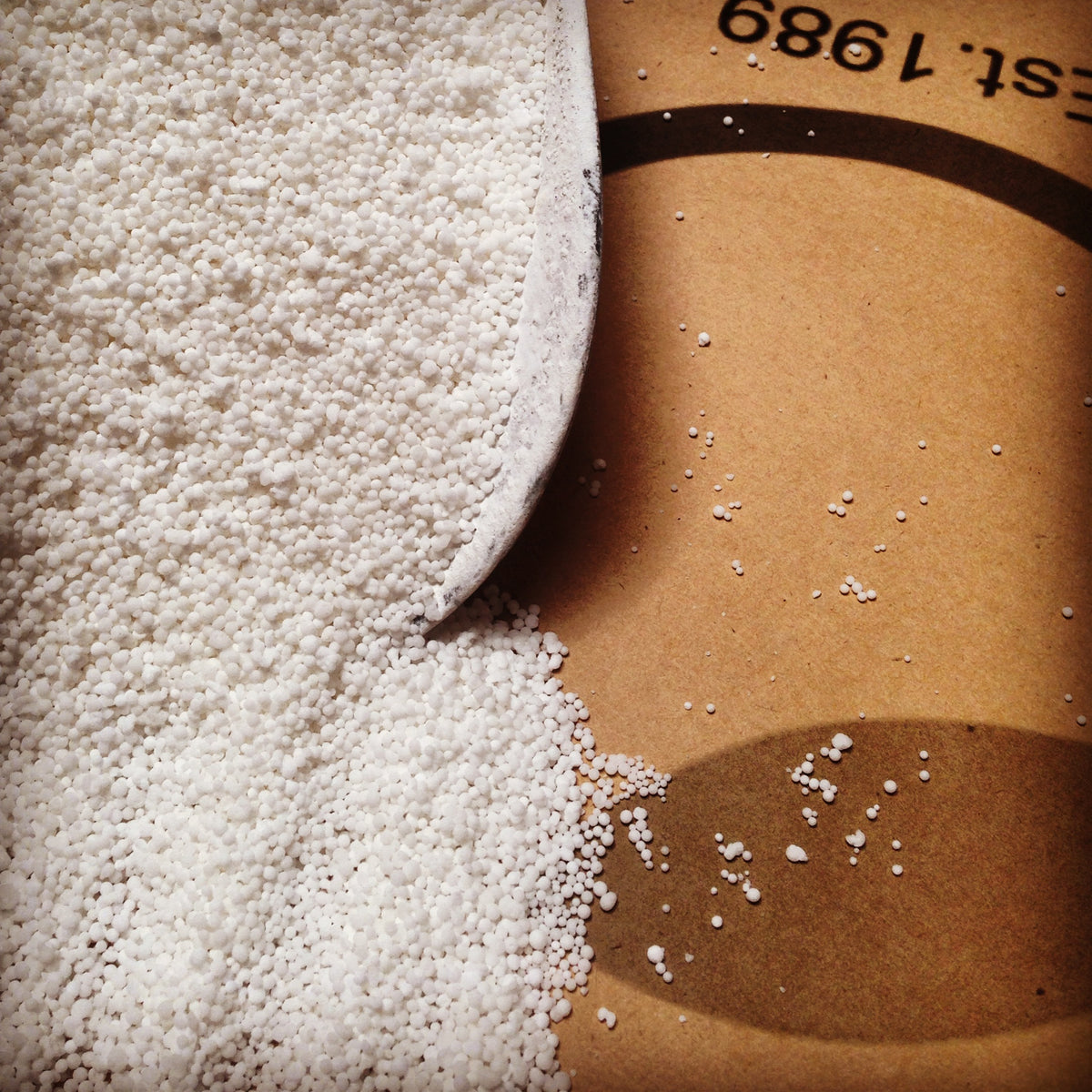
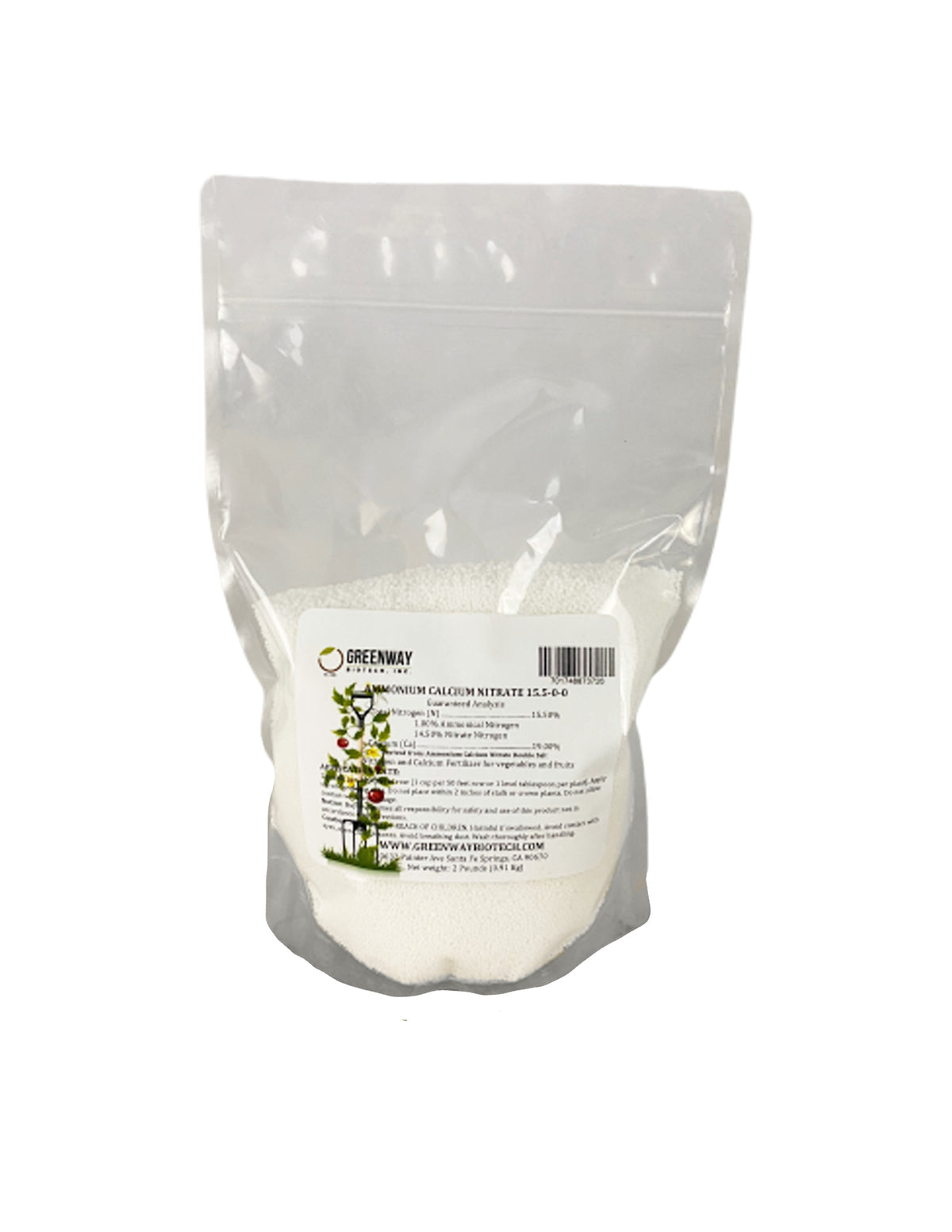
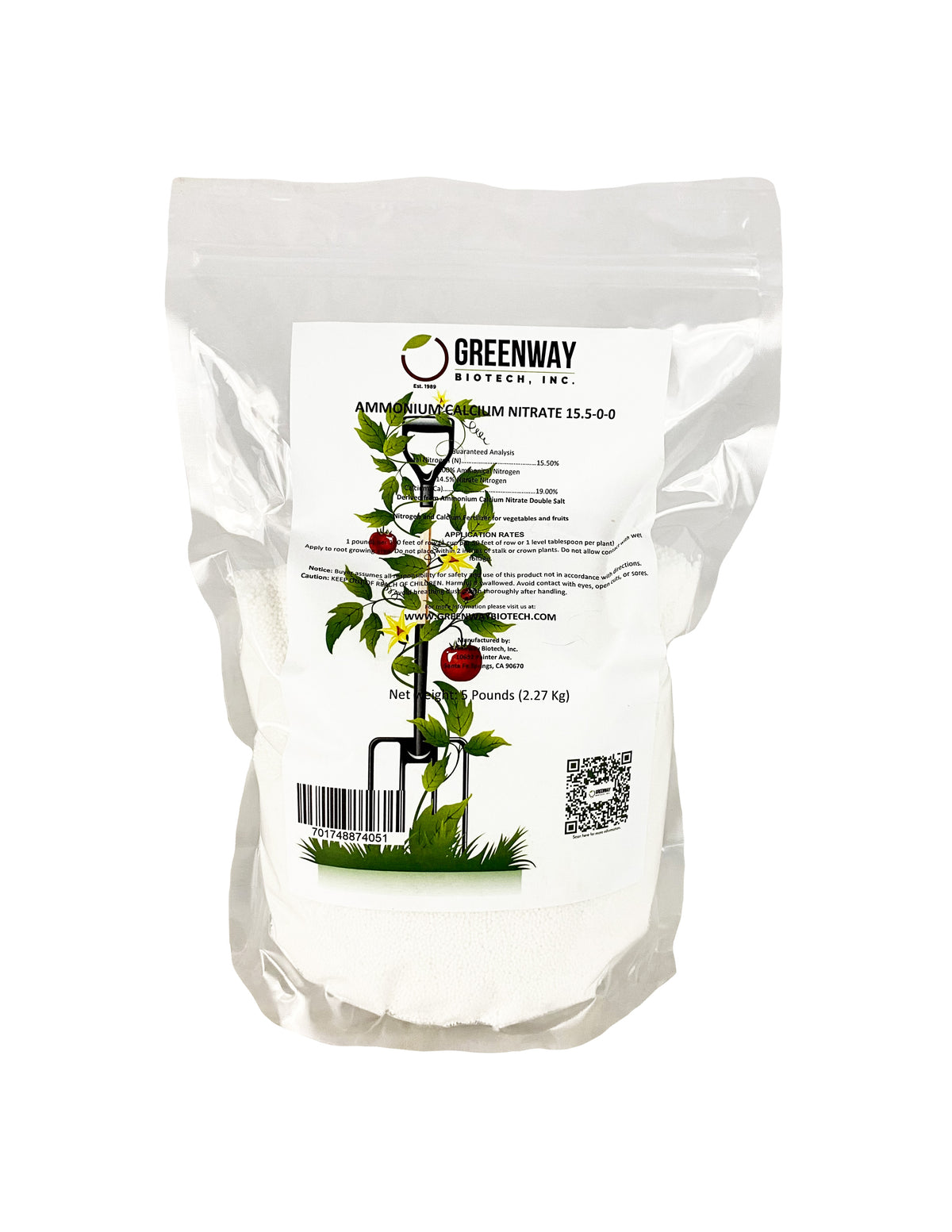
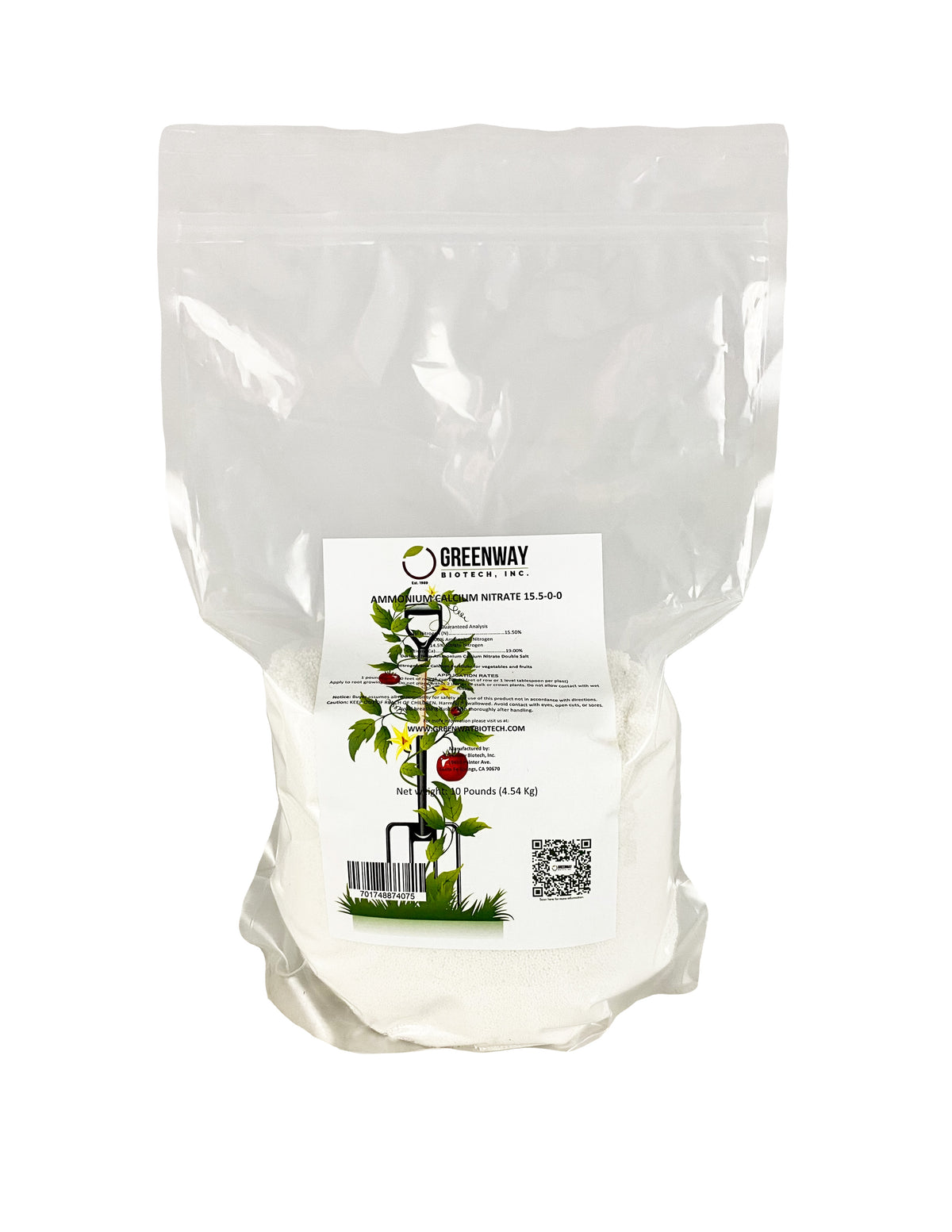
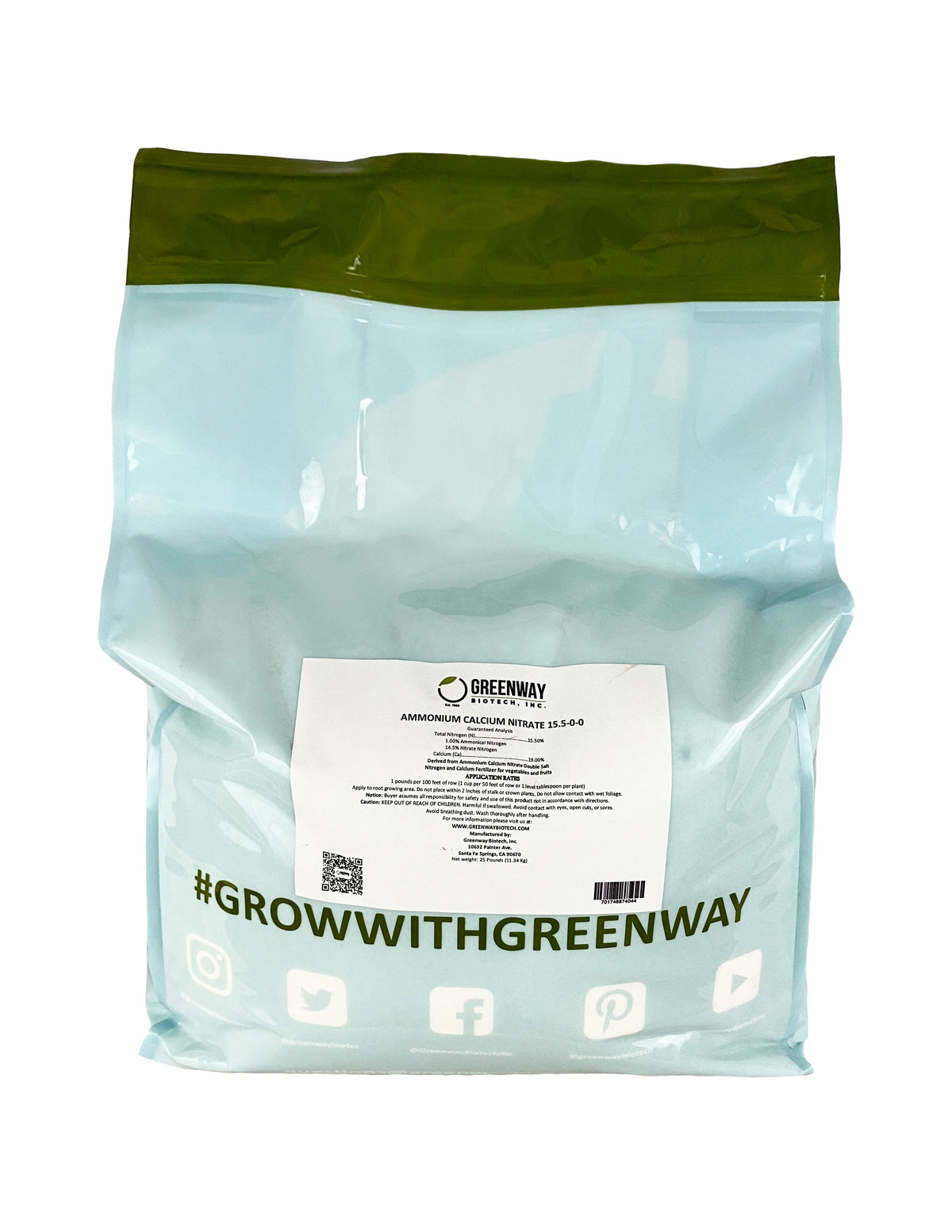
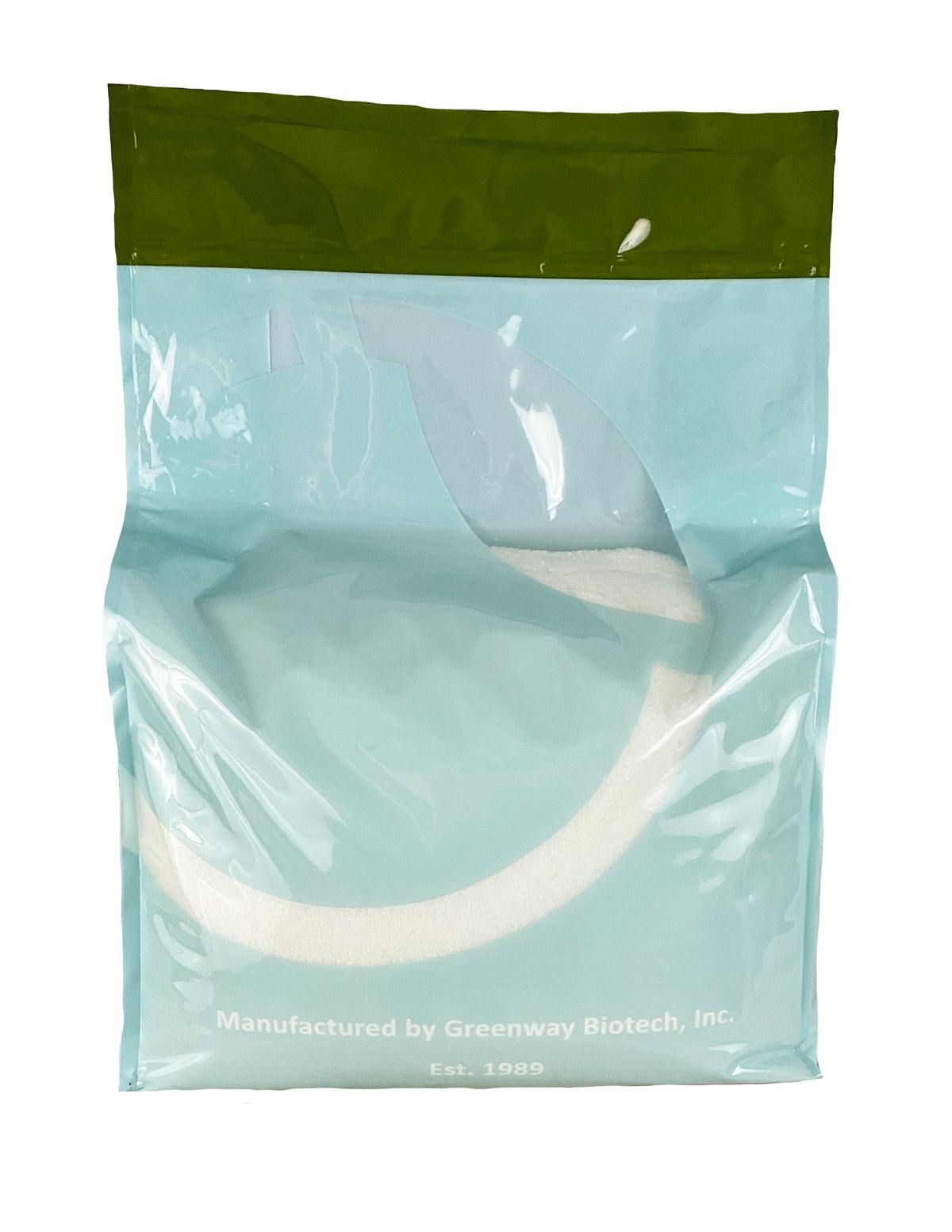
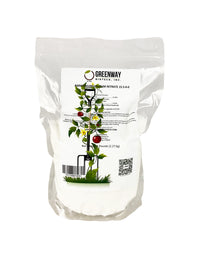
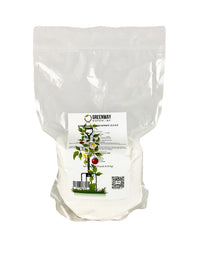
Calcium Nitrate Fertilizer 15.5-0-0
A water-soluble source of nitrogen and calcium for feeding programs that need both. Use a weighed dose suited to your crop, soil test, or complete hydroponic recipe.
Calcium nitrate supports plant nutrition; it is not a complete fertilizer or a guaranteed fix for blossom-end rot.
| Nutrient | Percentage by weight |
|---|---|
| Total nitrogen (N) | 15.5% |
| Nitrate nitrogen | 14.5% |
| Ammoniacal nitrogen | 1% |
| Calcium (Ca) | 19% |
Derived from ammonium calcium nitrate double salt. The 15.5-0-0 grade declares no available phosphate (P₂O₅) or soluble potash (K₂O). Most of its nitrogen is nitrate nitrogen; it is not an ammonium-free product.
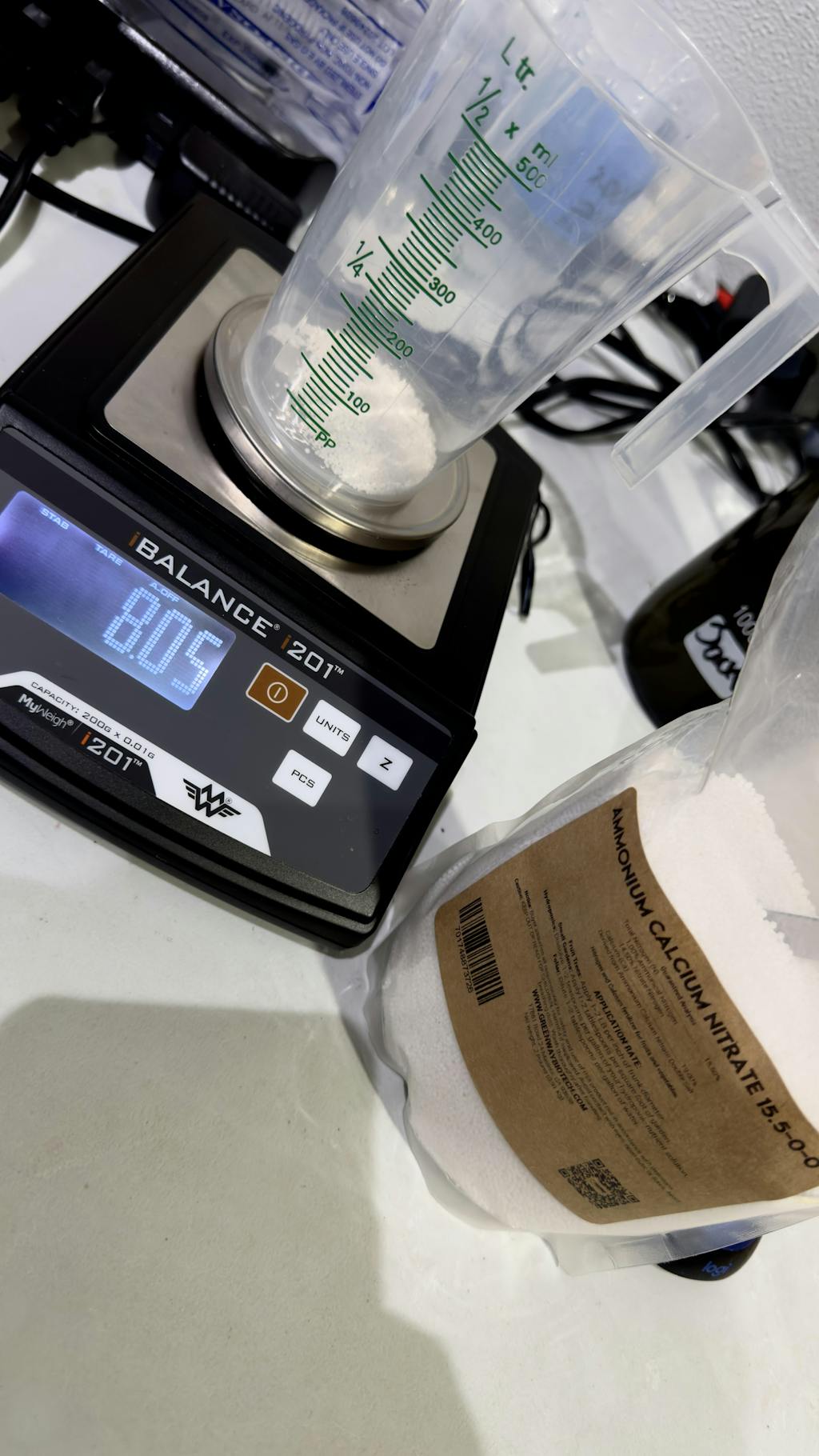
Supplied as a dry fertilizer. Keep sealed because it absorbs moisture from the air. Measure by weight; no teaspoon or tablespoon weight is assumed.
Supplies nitrogen and calcium when the crop feeding plan calls for both. Match the amount to soil fertility and other nitrogen inputs.
A soluble calcium and nitrogen ingredient for a complete crop-specific solution. Include the nitrogen it adds when balancing the other nutrients.
Use with a suitable irrigation recipe and separate concentrated calcium stock from phosphate and sulfate stocks.
If calcium is needed but nitrogen is already sufficient, evaluate a calcium source without nitrogen. Do not add extra fertilizer simply because fruit shows a disorder.
| Use | Amount / calculation | Conditions & source |
|---|---|---|
| Tomatoes in soil rows | 2 lb per 100 linear feet of row; about 90.7 g per 10 feet | UGA regional sidedress example, monthly in that program. Use where appropriate for soil testing and the crop nitrogen budget. UGA tomato guidance. |
| Fresh hydroponic solution | Product grams = additional calcium ppm × final liters ÷ 190 | Subtract calcium in source water and other ingredients. Calculation from the 19% calcium guarantee; crop target must come from your recipe. |
| Prescribed nitrogen amount | Product weight = required nitrogen weight ÷ 0.155 | Use matching weight units. This converts a prescription; it does not determine crop needs. |
Feet of row are not square feet. The tomato example is not a container or universal per-plant rate. Keep soil applications away from stems and foliage and water in.
Hydroponic example, not a recommended target: adding 100 ppm calcium to 10 L requires 5.26 g of product and also adds 81.6 ppm nitrogen. Use the calculator below for your complete recipe’s remaining calcium requirement.
For other crops, trees, or foliar use, obtain directions specific to the crop and application method. A blanket spoon-per-gallon spray rate is not supplied.
Keep concentrated calcium nitrate separate from concentrated phosphate and sulfate sources. Adding calcium first does not by itself guarantee compatibility.
Choose tomato row length, a fresh hydroponic calcium target, a prescribed soil nitrogen target, or prescribed grams per plant. Select only the applications or fresh batches included in your feeding plan.
Calculator loading. For the tomato-row example: pounds of product = feet of row × 0.02. For hydroponics: grams = additional calcium ppm × final liters ÷ 190.
The calculator checks current bag options and recommends the smallest available single bag that covers the calculated amount, or sufficient multiple bags for larger requirements. Review the quantity before adding it to your cart.
Nitrogen supports proteins, chlorophyll, and plant growth. Calcium supports cell-wall structure. After dissolving, this fertilizer contributes calcium and nitrogen ions to the solution around roots.
Each 1 g/L contributes 190 ppm calcium and 155 ppm total nitrogen: 145 ppm nitrate nitrogen and 10 ppm ammoniacal nitrogen. These are calculated nutrient concentrations, not a prediction of EC or a universal feeding strength.
Uneven moisture, root damage, and excessive fertilization can interfere with calcium delivery to developing fruit. Additional fertilizer will not repair damaged fruit. Check watering and fertility before increasing the dose. Read UGA’s explanation.
For background on calcium’s role, see the function of calcium in plants. Use this product page’s weighed directions for dosing.
| Source | What it supplies | When to consider it |
|---|---|---|
| Calcium nitrate | Calcium and nitrogen; water-soluble | When both calcium and nitrogen fit the feeding plan. |
| Gypsum | Calcium and sulfur without nitrogen; less soluble | A soil calcium/sulfur amendment where justified by testing. Not a general fix for every clay soil. |
| Agricultural lime | Calcium; dolomitic lime also supplies magnesium | When soil testing indicates a need to raise pH. Choose dolomitic lime when magnesium is also needed. |
Compare the nutrient need and soil pH before buying. Our calcium fertilizer comparison guide provides additional background; the directions on this page govern the calculations shown here.
Harmful if swallowed. Causes serious eye damage. Wear protective gloves and eye protection. Keep out of reach of children, avoid breathing dust, and wash after handling. Follow the linked SDS for first aid and complete handling instructions.
It supplies 15.5% total nitrogen: 14.5% nitrate nitrogen and 1% ammoniacal nitrogen, plus 19% calcium. The grade declares no available phosphate or soluble potash. It is derived from ammonium calcium nitrate double salt.
One UGA Extension sidedress example uses 2 lb per 100 feet of tomato row, with monthly applications in that program. That equals about 90.7 g per 10 feet of row. This is a row-length rate, not a square-foot or container rate. Match use and timing to your soil test and total nitrogen plan, and water in.
It can supply calcium when needed, but it will not repair damaged fruit or guarantee prevention. Uneven watering, root injury, and excessive fertilization can limit calcium delivery to fruit even when soil calcium is adequate. Check soil fertility and keep moisture consistent before adding more fertilizer.
Use your crop recipe and water analysis. Grams of product = additional calcium needed in ppm × final solution volume in liters ÷ 190. Each 1 g/L supplies 190 ppm calcium and 155 ppm nitrogen. Subtract calcium supplied by water and other ingredients first, and include the added nitrogen in your complete recipe. Use a scale rather than an assumed teaspoon weight.
Keep concentrated calcium nitrate stock separate from concentrated phosphate and sulfate stocks. Dilute ingredients separately into the bulk water according to your recipe. Compatibility also depends on concentration, water quality, and pH; dilution does not guarantee that every combination will remain clear.
Use only crop-specific foliar directions that specify a weighed dose, timing, and cultivar suitability. A single spoon-per-gallon rate is not appropriate for every crop. Do not rely on foliar calcium to correct blossom-end rot.
No. It supplies nitrogen and calcium but does not provide the full nutrient balance needed by plants. Hydroponic recipes also need other macronutrients and micronutrients. In soil, use testing to determine which additional nutrients are needed.
Keep the container tightly sealed in a dry storage area, out of reach of children. Avoid breathing dust and contact with eyes. Water in dry soil applications and keep fertilizer away from stems and foliage. Follow the product safety data sheet for handling and first aid.
Explore the background behind calcium nutrition and choosing a source. For this product’s quantities, use the weighed directions and calculator above.
Learn about cell-wall structure, calcium movement, and why new growth can show calcium-related problems.
Explore differences among calcium sources and the role of soil testing, water quality, and nutrient needs.
Handling, hazards, storage, and first aid. Published revision: April 3, 2017.
Confirms the guaranteed analysis. This existing PDF contains earlier spoon-based directions that differ from the weighed guidance on this page. Contact us if you need help reconciling your package directions before use.
Calculations use the product’s 15.5% nitrogen and 19% calcium analysis. Research examples apply under their stated conditions.
Unsure which calculation fits your setup? Email questions@greenwaybiotech.com with your crop, growing system, and soil or water test information.