Organic Cottonseed Meal Fertilizer 5-2-1
- Regular Price
- $ 15.99
- Sale Price
- $ 15.99
- Regular Price
- $ 15.99
Sold Out
- Unit Price
- per
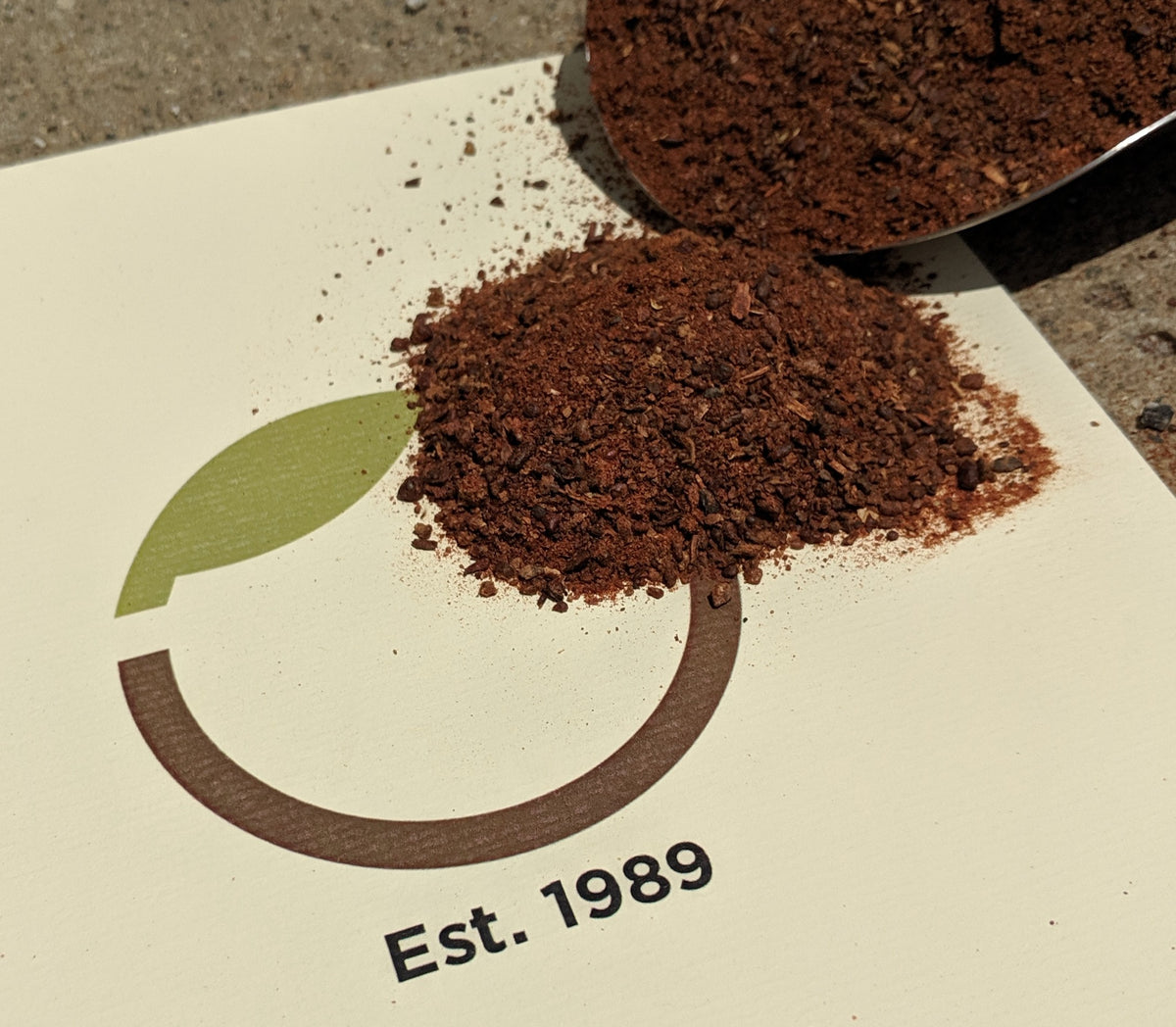
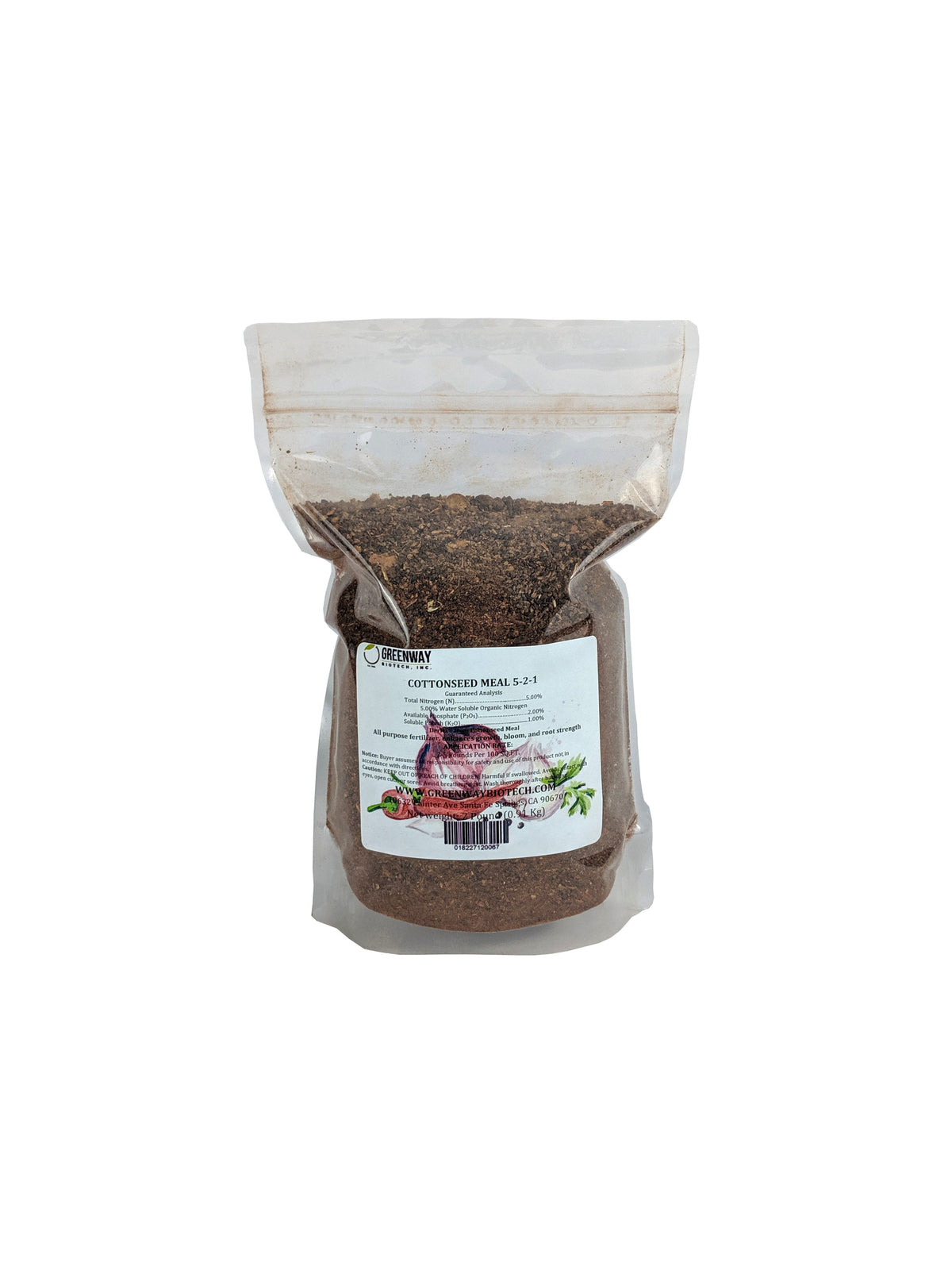
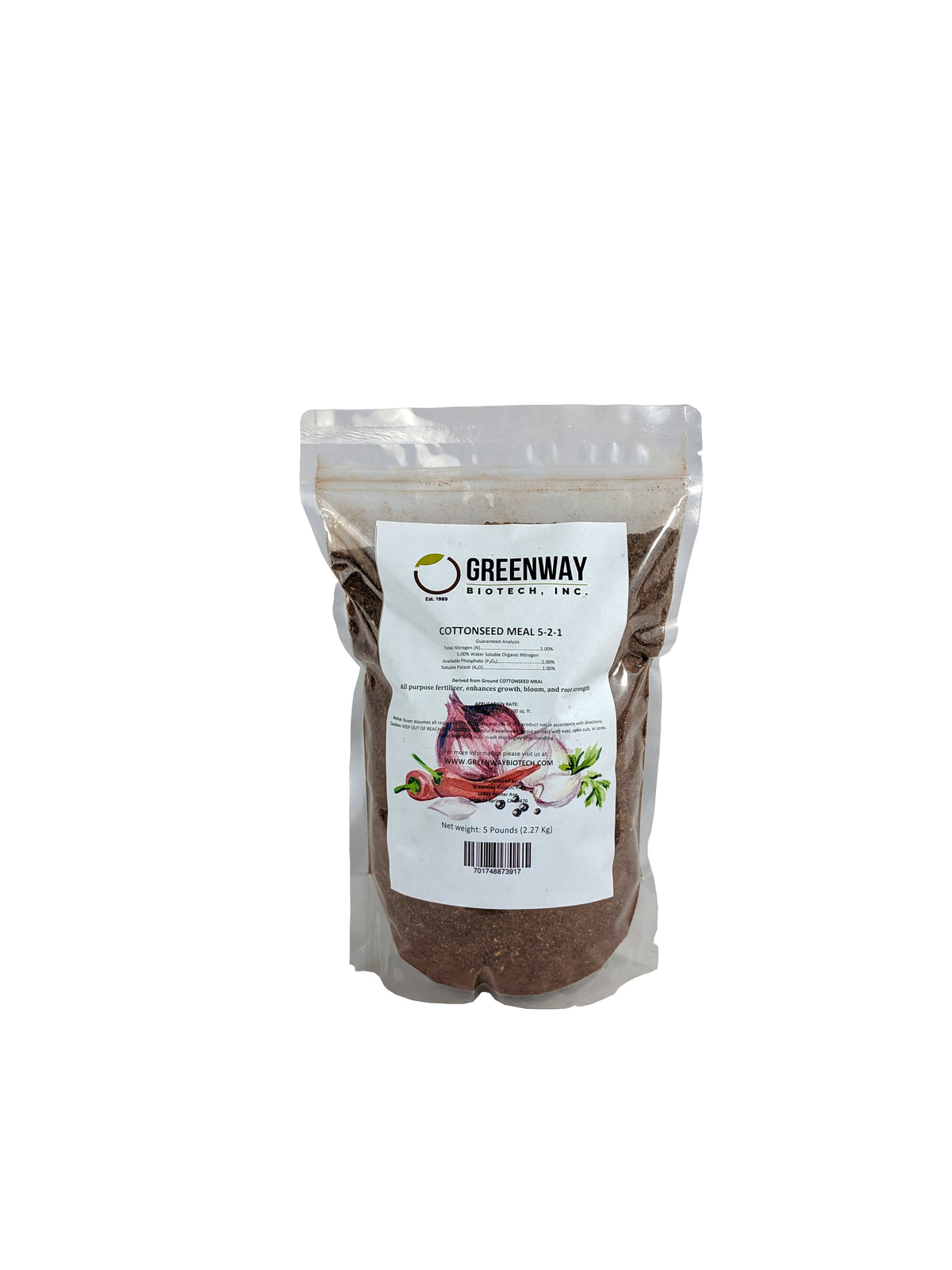
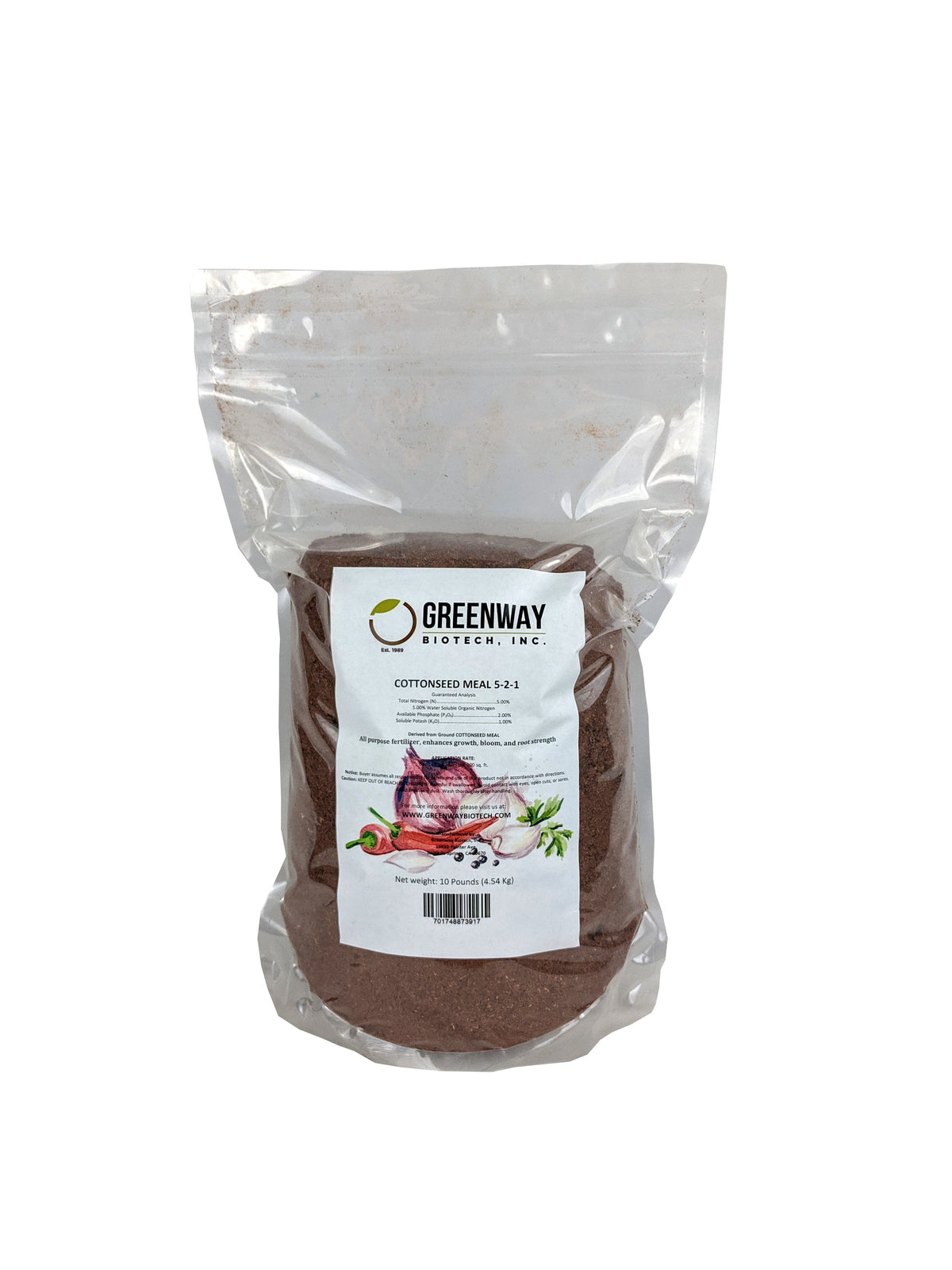

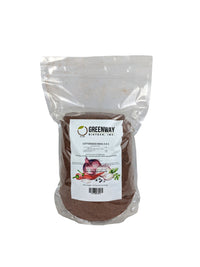
A single-ingredient organic fertilizer derived from cottonseed processing. Cottonseed Meal delivers 5% nitrogen gradually over 4–8 weeks while gently lowering soil pH — making it especially well-suited to blueberries, azaleas, camellias, and other ericaceous crops. Non-GMO source material. Independently lab tested for heavy metal content.
Find your size → Calculate how much I need5%
Slow-release nitrogen, released over weeks not days
4–8weeks
Typical mineralization window in warm, moist soil
8:1 C/N
Low carbon-to-nitrogen ratio means active microbial release
35+yrs
Family-owned California manufacturer since 1989
Coverage estimates below assume a new-garden-bed planting rate of 4–6 lbs per 100 sq ft. At maintenance side-dress rates (1.5–3 lbs per 100 sq ft), each bag covers roughly twice the area shown.
| Bag Size | New Bed Coverage | Acid-Lover Coverage | Best For |
|---|---|---|---|
| 5 lb | ~80–125 sq ft | 3–5 blueberry plants | Small garden trials, container mixes |
| 10 lb | ~165–250 sq ft | 5–10 blueberry plants | Most popular |
| 25 lb | ~415–625 sq ft | 15–25 blueberry plants | Medium home gardens and small berry plots |
| 44 lb | ~730–1,100 sq ft | 25–45 blueberry plants | Best value |
Cottonseed Meal is most useful where slow-release nitrogen and mild soil acidification work together. Soil-test driven rates always outperform fixed recommendations — consult your local extension service for site-specific guidance.
One of the most appropriate organic nitrogen sources for blueberries, azaleas, rhododendrons, and camellias. Mild acidification can support nutrient uptake in these crops.
Pre-plant amendment for in-ground beds. Provides a slow N-P-K base that microbes mineralize as soil warms — pair with bone meal for fruiting crops.
Apply around the drip line in spring at 1–2 lbs per inch of trunk diameter. Slow release suits perennials and woody plants that respond poorly to nitrogen spikes.
Worked into soil before seeding or sodding, cottonseed meal supports a steady nitrogen base for turfgrass root and shoot development through establishment.
The low C/N ratio (~8:1) and 5% nitrogen content can accelerate microbial breakdown of high-carbon materials like leaves, straw, and wood chips in compost piles.
Mix 1–2 cups per cubic foot of soil before planting. The organic matter helps container media retain moisture and structure across the growing season.
Cottonseed Meal sits in a useful middle ground among organic meals — moderate release rate, complete NPK profile, mild acidification, and microbial-feeding organic matter.
Delivers 5% nitrogen gradually over 4–8 weeks as soil microbes decompose the organic matter. This release profile largely eliminates the foliage burn risk associated with concentrated synthetic nitrogen sources, and provides consistent feeding through the active growing season.
As cottonseed meal decomposes, it can gradually lower soil pH — a meaningful benefit for blueberries, azaleas, camellias, rhododendrons, and other ericaceous crops that prefer pH 4.5–5.5. For neutral-pH crops, this effect can be offset with agricultural lime (roughly 9 lbs lime per 100 lbs cottonseed meal).
Unlike blood meal (13-0-0, nitrogen only) or bone meal (3-15-0, phosphate and calcium), cottonseed meal supplies all three macronutrients — 5% N, 2% available phosphate (P₂O₅), and 1% soluble potash (K₂O) — in a single ingredient. That makes it a useful standalone amendment for many situations.
The low C/N ratio means microbes can mineralize nitrogen quickly relative to higher-carbon amendments. Decomposing meal can support beneficial soil bacteria, fungi, and mycorrhizal networks that improve nutrient cycling and soil structure over time. Learn more about how soil microbes affect plant health.
Every Greenway Biotech product is backed by a 90-day money-back guarantee. If you are not completely satisfied, return the unused portion in its original packaging for a full refund. We've operated this way as a family-owned California manufacturer since 1989.
4–8weeks
Typical N mineralization window in warm, moist soil
The nitrogen in cottonseed meal is bound in proteins and amino acids — it is not immediately plant-available the way nitrate or ammonium fertilizers are. Soil microorganisms (bacteria, fungi, actinomycetes) must first decompose the meal and convert organic nitrogen into ammonium, then nitrifying bacteria oxidize ammonium to nitrate. The pace of this two-step mineralization process is what gives cottonseed meal its slow-release character.
Three factors govern release rate. Soil temperature: microbial activity roughly doubles for every 10°C (18°F) increase in soil temperature up to about 95°F. Soil moisture: dry soils stall mineralization; consistently moist soils sustain it. Soil C/N ratio: the residual soil C/N matters more than the meal's own C/N — soils high in undecomposed carbon (fresh wood chips, straw) can temporarily immobilize the released nitrogen as microbes tie it up. Research published in HortScience (Fine et al., 2013) shows peak mineralization typically occurs in the first 30 days after incorporation.
Practical implication: cottonseed meal works best as a pre-plant amendment or early-season feed, applied 1–2 weeks before transplanting when possible. Mid-season side-dressing remains useful but expect a 2–3 week lag before plants respond. For immediate nitrogen needs, faster-releasing organics like Blood Meal 13-0-0 are a more appropriate choice — and for the slowest, longest release, Feather Meal 12-0-0 extends supply over several months.
For deeper coverage of organic nitrogen options, see our guide to Best Fertilizers for a Vegetable Garden.
All rates below are general references. The most accurate rate comes from a soil test using the University of Maryland Extension formula: (target lb N ÷ 5% N) × area. The Soil-Test tab in the Calculator below will do the math for you.
Quick answer: 4–6 lbs per 100 sq ft worked into the top 4–6 inches of soil before planting.
| Application | Rate | Frequency |
|---|---|---|
| New garden beds | 4–6 lbs per 100 sq ft | Work into soil before planting |
| Established beds (productive garden) | 4–6 lbs per 100 sq ft | Pre-season; reduce supplemental N fertilizer by half |
| Side-dress / top-dress (mid-season) | 1.5–3 lbs per 100 sq ft or per 100 ft of row | 2–3 weeks after planting, then every 4–6 weeks |
| Trees & shrubs | 1–2 lbs per inch of trunk diameter | Apply around drip line in spring |
| Heavy soil-building | ~10 lbs per 100 sq ft | Pre-plant only, rake or till in 4–6 inches deep |
Note: Rates assume medium-fertility soil and typical home-garden yield goals. A current soil test is the most reliable basis for site-specific rates. The University of Maryland Extension formula — (target lb N ÷ 5% N) × area — converts a soil-test N recommendation directly into cottonseed meal needed.
Quick answer: 1–2 lbs per blueberry plant in February, plus a light feed in late March.
| Crop | Rate | Timing |
|---|---|---|
| Blueberries (per plant) | 1–2 lbs per plant (or a ¼-inch layer under the plant) | February, then a light feed in late March |
| Azaleas & Rhododendrons (small shrubs) | 1 cup per plant | After flowering |
| Larger acid-loving shrubs (camellia, etc.) | 2–4 cups per plant | Spring or after flowering |
| Strawberries | 2 lbs per 100 sq ft | Early spring & after harvest |
Pro tip: For maximum acidification on established blueberry beds, pair cottonseed meal with Elemental Sulfur and mulch with pine bark or pine needles. Always confirm soil pH with a current test before adding additional acidifying inputs.
Quick answer: 8–10 lbs per 100 sq ft for new lawn prep; 4–5 lbs per 100 sq ft for spring green-up on established turf.
| Application | Rate | Frequency |
|---|---|---|
| New lawn / poor soil prep | 8–10 lbs per 100 sq ft | Work into soil before seeding or sodding |
| Spring green-up (established lawn) | 4–5 lbs per 100 sq ft | Once when soil temps reach 50°F (10°C) |
| Mid-summer maintenance | 3 lbs per 100 sq ft | Once mid-season |
| Pre-winter root feeding | 3–4 lbs per 100 sq ft | Late fall — supports root development for next spring |
pH note: Most lawn turfgrasses prefer slightly acidic to neutral soil (pH 6.0–7.0). For lawns where current soil pH is already at the low end of that range, monitor regularly and consider liming if cottonseed meal applications drop pH further. Approximately 9 lbs of agricultural lime per 100 lbs of cottonseed meal can offset the long-term pH drop.
Quick answer: 2–3 lbs per cubic yard as a compost activator.
| Use | Rate | Notes |
|---|---|---|
| Compost activator | 2–3 lbs per cubic yard | Mix into compost pile to accelerate decomposition |
| Soil conditioning (mid-rate) | 3–5 lbs per 100 sq ft | Incorporate into top 4–6 inches of soil |
| Heavy soil-building (low-fertility soils) | ~10 lbs per 100 sq ft | Pre-plant only; rake or till in 4–6 inches deep |
| Container & raised bed mix | 1–2 cups per cubic foot of soil | Mix thoroughly before planting (1 cup ≈ 0.33 lb) |
Compost activation note: Cottonseed meal's low C/N ratio (~8:1) makes it well-suited for accelerating high-carbon piles (leaves, straw, wood chips). Keep the pile consistently moist and turn regularly. The 5% nitrogen content gives microbes the fuel they need to break down carbon-heavy material.
Quick answer: 1,500–3,000 lbs per acre as a broadcast soil-building amendment, depending on soil test and yield goal.
| Application | Rate | N Delivered |
|---|---|---|
| Light broadcast (maintenance) | 1,500 lbs per acre | ~75 lbs N per acre |
| Standard soil-building | 2,250 lbs per acre | ~113 lbs N per acre |
| Heavy soil-building (low-fertility soils) | 3,000 lbs per acre | ~150 lbs N per acre |
📋 Field & Acreage Rates: The per-acre figures above are general references for medium-testing soils at typical yield goals. Actual rates should be based on a current soil test and local nutrient removal estimates. For field-scale operations, cover crops typically out-perform bagged organic meals on a cost-per-pound-N basis — consult your local extension service for site-specific recommendations.
Cottonseed meal works best when worked into the top few inches of soil and watered thoroughly. The calculator on the right handles the math for any application — by area, by plant, by tree diameter, by soil test, or by acreage.
For garden beds and lawns, measure length × width in feet. For acid-loving plants, count the number of plants. For trees, measure trunk diameter in inches at chest height.
Use the calculator below to convert your measurement into pounds of cottonseed meal. For garden beds, the typical rate is 4–6 lbs per 100 sq ft. For blueberries, 1–2 lbs per plant. Spread evenly across the application area.
Cottonseed meal needs soil contact with microbes to break down. Rake, till, or hand-fork it into the upper soil layer. For surface application around established perennials, scratch it lightly into the surface and cover with mulch.
Water activates microbial decomposition and reduces the surface odor that can attract pets and wildlife. Maintain consistent moisture for the first 2–3 weeks for fastest mineralization.
Cottonseed meal is a dry granular soil amendment. It is not water-soluble and cannot be applied as a foliar spray. For foliar feeding, use a water-soluble fertilizer formulated for that purpose.
All five are organic, microbe-decomposed nitrogen sources — but release rate, NPK profile, and pH effect determine which fits each situation.
| Product | NPK | Release Speed | pH Effect | Best For |
|---|---|---|---|---|
| Cottonseed Meal (this product) | 5-2-1 | Moderate (4–8 weeks) | Mildly acidifying | Acid-lovers, complete NPK base, compost activation |
| Blood Meal | 13-0-0 | Fast (1–3 weeks) | Slightly acidifying | Fast N boost, leafy crops, spring green-up |
| Feather Meal | 12-0-0 | Very slow (3–6 months) | Neutral | Season-long slow N for perennials, trees |
| Bone Meal | 3-15-0 | Slow (1–4 months) | Slightly alkalizing | Phosphate & calcium for flowering, fruiting, transplants |
| Alfalfa Meal | 2.5-0-2.5 | Moderate (4–8 weeks) | Near-neutral | Plant-based option, roses, compost tea, lower odor |
Cottonseed meal fits a specific niche — slow N with mild acidification. Here is where it shines and where another product may be a better fit.
Cottonseed meal provides moderate-release N with some P and K. For fruiting crops and complete feeding programs, these companions fill the gaps.
Adds 15% available phosphate (P₂O₅) and 24% calcium — critical at flowering and fruiting, especially for tomatoes, peppers, and squash.
Soluble Potash53% K₂O for fruiting, flowering, and stress tolerance. Sulfate form is chloride-sensitive crop friendly.
Soil AcidifierFor deeper acidification on blueberry beds. Use with cottonseed meal as a paired acidification program when soil pH is above the ericaceous range.
Trace ElementsAdds potassium plus 60+ trace minerals and natural growth substances. A good rounder for a fully organic feeding program.
Cottonseed meal is a low-toxicity organic amendment, but a few use-and-storage rules keep applications safe for people, pets, and pollinators.
If your question isn't here, contact our team at questions@greenwaybiotech.com or (562) 351-5168, Monday–Friday 7AM–5PM PST.
Cottonseed Meal is a natural, plant-based fertilizer derived from cotton manufacturing. It is Non-GMO and contains no synthetic chemicals. It is widely used in organic gardening programs. Some NOP-certified organic certifying agencies do restrict cottonseed meal because conventional cotton is a GMO crop typically grown with pesticides, so always verify with your specific certifying agency if you require organic certification compliance. For more on organic fertilizer options, see our guide to Best Fertilizers for a Vegetable Garden.
Cottonseed Meal is a slow-release fertilizer. Nutrients become available over a period of 4–8 weeks as soil microorganisms decompose the organic matter. The release rate depends on soil temperature, moisture, and microbial activity — warmer, moist soils with active biology will break down the meal faster. Peak mineralization typically occurs in the first 30 days after incorporation. This gradual release eliminates the risk of foliage burn and provides consistent feeding throughout the growing season.
Yes. Cottonseed Meal is naturally mildly acidifying and will gradually lower soil pH as it decomposes. This makes it especially beneficial for acid-loving plants like blueberries, azaleas, camellias, and rhododendrons. If your soil is already acidic and you don't want to lower pH further, monitor soil pH regularly and consider liming if needed — approximately 9 lbs of agricultural lime per 100 lbs of cottonseed meal applied can offset the long-term pH drop. For most vegetable gardens with neutral to alkaline soils, the mild pH-lowering effect can be a benefit that helps unlock micronutrients like iron and magnesium.
Fresh Cottonseed Meal has a mild, earthy scent that is generally not strong or offensive. As it begins to decompose in moist soil, the smell may become slightly more noticeable for a few days — this is normal and indicates active microbial breakdown. As an organic material, it can attract some animals (especially dogs and rodents) if left exposed on the soil surface. To minimize this, work the meal into the top few inches of soil and water thoroughly after application. Covering with mulch also helps reduce the period during which the meal is attractive to pests.
Light clumping is common in organic meals when exposed to humidity and does not significantly reduce effectiveness — simply break up clumps before applying. If you notice visible surface mold on the meal, this is also normal for an organic product that has been exposed to moisture. Surface mold does not penetrate deeply and the underlying meal is typically still viable. That said, heavily molded or foul-smelling product may have lost some nitrogen value. To prevent this, always store Cottonseed Meal in a tightly sealed bag or airtight container in a cool, dry location, and use within 12 months of opening.
Yes. Mix Cottonseed Meal into potting soil or raised bed mix at a rate of 1–2 cups per cubic foot of soil. Because containers have limited soil volume, start with the lower rate and observe plant response before adding more. The organic matter also helps container soils retain moisture and maintain structure over time. One cup of cottonseed meal weighs approximately 0.33 lb (5 oz), so 2 cups per cubic foot ≈ 0.66 lb.
Keep pets away from freshly applied Cottonseed Meal. Cottonseed naturally contains gossypol, a compound that can be problematic for monogastric animals — dogs, cats, pigs, and poultry — if consumed in quantity. Dogs in particular are attracted to organic meals and may attempt to eat or dig in freshly treated areas. While trace surface contact is generally not an acute concern, ingestion of larger amounts can cause digestive upset. Once the meal is worked into the soil and thoroughly watered in, the risk is significantly reduced. Always store unused product in a sealed container out of reach of pets, and avoid applying where free-range poultry will forage.
All three are organic nitrogen sources, but they differ in release speed, nutrient profile, and use case. Blood Meal 13-0-0 provides a faster nitrogen boost with no phosphate or potash — useful for spring green-up and leafy crops. Feather Meal 12-0-0 is a very slow-release nitrogen source that extends supply over 3–6 months — useful for perennials and trees. Cottonseed Meal 5-2-1 has a moderate release rate, provides all three macronutrients in a single ingredient, and is mildly acidifying — making it a versatile choice for acid-loving plants and general soil conditioning. Cost-per-pound of nitrogen and certifying-agency rules are additional factors when choosing between them.
Coverage depends on the application rate and bag size. At the new-garden-bed rate of 4–6 lbs per 100 sq ft, a 5 lb bag covers approximately 80–125 sq ft, a 10 lb bag covers 165–250 sq ft, a 25 lb bag covers 415–625 sq ft, and a 44 lb bag covers approximately 730–1,100 sq ft. At maintenance side-dress rates (1.5–3 lbs per 100 sq ft) the same bags cover 2–3 times more area. For precise calculations including soil-test-driven rates, use the Cottonseed Meal Calculator in the section above.
No. Cottonseed meal is a dry granular soil amendment and is not water-soluble — it will not dissolve in water and cannot be applied through a sprayer. For foliar feeding, use a water-soluble fertilizer formulated for foliar application. Cottonseed meal must be incorporated into soil where microbes can decompose it and release plant-available nutrients.
Cottonseed Meal 5-2-1 ships in 5 lb, 10 lb, 25 lb, and 44 lb bags. Free shipping on orders over $100. Family-owned and operated in California since 1989 — backed by a 90-day money-back guarantee.
Choose your size →