



Lettuce Fertilizer 8-15-36 | Chelated Micronutrients | Hydroponics, Soil & Foliar Application
- Regular Price
- $ 24.99
- Sale Price
- $ 24.99
- Regular Price
- $ 24.99
- Unit Price
- per
Lettuce Fertilizer 8-15-36
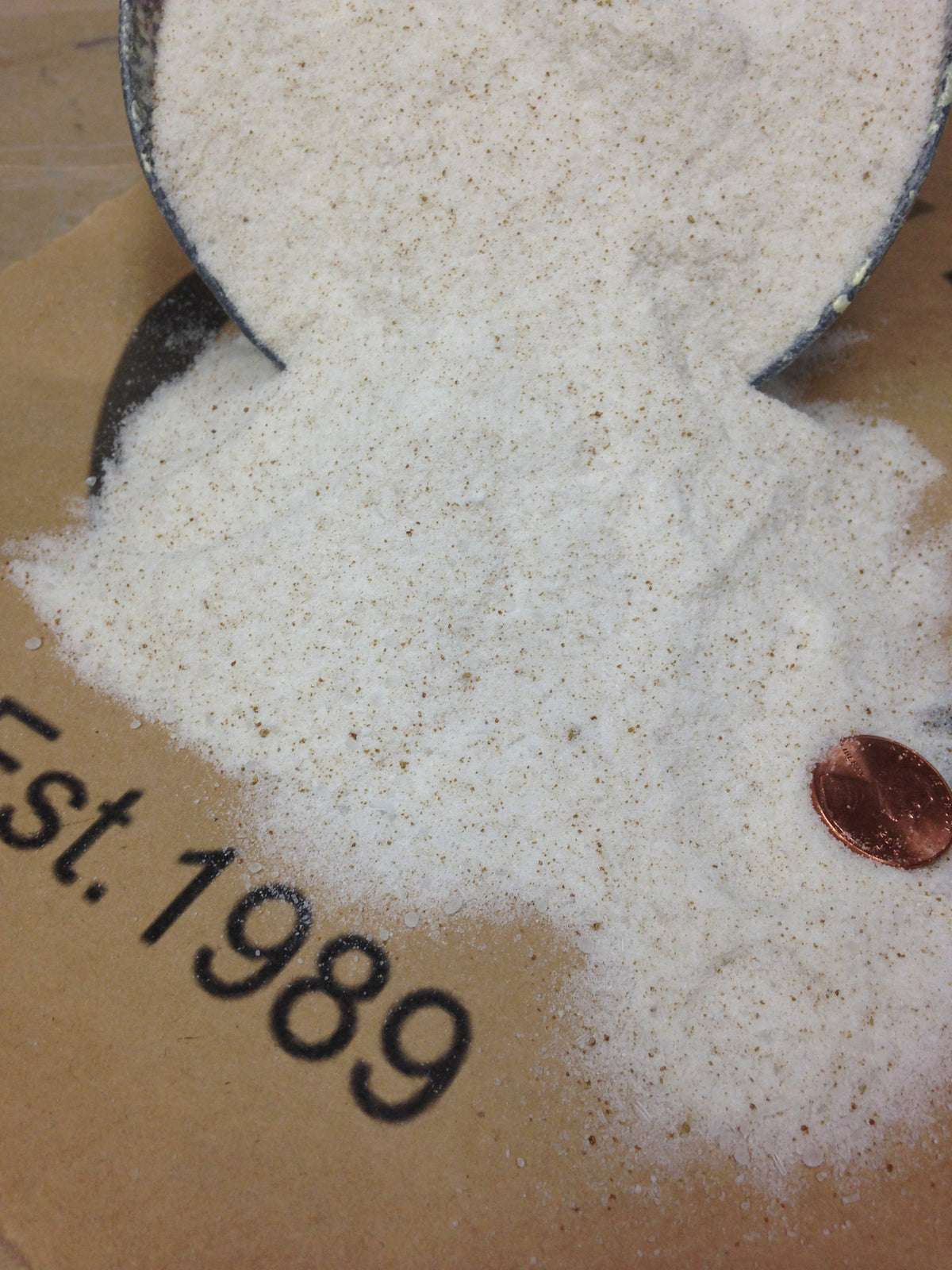
Unlock the full potential of your leafy greens with our premium water-soluble 8-15-36 formula. High potassium can significantly improve crisp texture and extended shelf life while chelated micronutrients support robust, well-nourished harvests for soil, hydroponic, and foliar growing.
Ideal Applications
FEATURES
⚖️ Optimized 8-15-36 Ratio
Engineered specifically for leafy green crops. Moderate nitrogen (8%) promotes healthy leaf development without excessive, leggy growth while very high potassium (36%) ensures crisp texture and extended shelf life.
🥬 Crisp Texture & Long Shelf Life
High potassium can help strengthen cell walls for that perfect crunch consumers expect, while supporting post-harvest quality so your greens may stay fresh longer.
🚫 Tested for Heavy Metals
Every batch is independently lab tested for heavy metal content so you can grow food for your family or customers with confidence in what you're feeding your plants — and yourself.
🌊 100% Water Soluble
Dissolves readily in cold water with zero residue. Suitable for drip lines, NFT channels, aeroponics, and fine mist foliar sprayers when used at recommended concentrations.
🛡️ Tip Burn Prevention Support
Balanced nutrition with moderate nitrogen can help reduce the rapid growth that outpaces calcium transport — a primary contributor to lettuce tip burn. Pair with Cal-Mag Plus to help minimize tip burn risk.
🌿 Deep Green Color
Chelated iron (0.50%) and manganese support rich chlorophyll production for the deep green color that consumers associate with freshness and quality.
💧 Soil, Hydroponic & Foliar Versatility
Equally effective in garden soil, raised beds, containers, all hydroponic systems (NFT, DWC, ebb and flow, drip, aeroponics), and as a foliar spray. Scales from home gardens to commercial operations.
🔬 Complete Micronutrient Package
All six essential micronutrients in precise ratios — iron, manganese, zinc, and copper are EDTA-chelated to prevent lockout in high-pH water, while boron and molybdenum are supplied in highly available mineral forms.
🌱 Microgreen & Baby Leaf Ready
Easily scaled to quarter or half strength for microgreen and baby leaf production. Single applications at low EC deliver complete nutrition for fast-turnover crops.
📋 CDFA Registered & Lab Verified
Registered with the California Department of Food and Agriculture. Third-party lab tested for guaranteed analysis, purity, and compliance with state fertilizer standards.
DERIVED FROM
Our 8-15-36 formula is blended from premium-grade, solution-grade raw materials — each chosen for purity, solubility, and plant availability.
Macronutrient Sources
Monopotassium Phosphate (MKP) 0-52-34
Primary phosphorus and potassium source. Fully water-soluble with low salt index.
Potassium Sulfate 0-0-53
Additional potassium plus sulfur for enzyme activation and protein synthesis.
Potassium Nitrate
Primary nitrate nitrogen source (7.5% of total N) and additional potassium. Contributes to the clean, rapidly available nitrogen profile preferred by leafy greens.
Ammonium Sulfate 21-0-0
Supplies the ammoniacal nitrogen fraction (0.5% of total N). Helps lower root-zone pH slightly for improved nutrient uptake in high-pH water.
Micronutrient Sources
Chelated Iron EDTA
EDTA-protected iron for chlorophyll synthesis. Stays available even in alkaline conditions.
Chelated Manganese EDTA
EDTA-chelated for photosynthesis enzyme activation and disease resistance.
Chelated Zinc EDTA
EDTA-chelated zinc for auxin production, growth hormones, and leaf development.
Chelated Copper EDTA
EDTA-chelated copper for lignin synthesis, enzyme activation, and plant structural integrity.
Boric Acid
Highly available boron source for cell wall strength and calcium uptake. Not chelated — supplied in mineral form.
Sodium Molybdate
Trace molybdenum source for nitrogen metabolism and enzyme function. Not chelated — supplied in mineral form.
SCIENCE BEHIND THE FORMULA
8-15-36: Engineered for Leafy Green Performance
Understanding why our 8-15-36 formula works so well for lettuce and leafy greens requires looking at the unique nutritional demands of these crops, where leaf quality, texture, and shelf life are the primary goals.
🌿 Nitrogen — 8% (Controlled Leaf Growth)
Supplied as 7.5% nitrate nitrogen and 0.5% ammoniacal nitrogen. The predominantly nitrate form is directly available for rapid uptake, while the small ammoniacal fraction helps moderate root-zone pH. Leafy greens need sufficient nitrogen for chlorophyll production and leaf development, but too much creates overly succulent tissues prone to reduced shelf life, bitter flavors, and increased nitrate accumulation. Our 8% strikes the ideal balance for healthy, flavorful greens.
🌸 Available Phosphate (P₂O₅) — 15% (Roots & Energy)
Available phosphate develops strong, efficient root systems for maximum nutrient uptake, enables rapid ATP production for cellular energy, supports photosynthesis and sugar transport, and promotes early establishment for faster maturity. For a deeper look at phosphorus in plant biology, see What's the Function of Phosphorus in Plants?
⭐ Potassium (K₂O) — 36% (Texture & Quality)
Leafy greens are heavy potassium feeders. Potassium regulates stomatal function and water use efficiency, activates over 60 enzyme systems, can help strengthen cell walls for crisp texture, supports overall plant vigor, and may contribute to extended post-harvest shelf life. Learn more in What's the Function of Potassium in Plants?
Essential Micronutrients
🧲 Iron (Fe) 0.50%
Chelated EDTA. Essential for chlorophyll synthesis and photosynthesis. Helps prevent interveinal chlorosis (yellowing between leaf veins) that reduces market value in leafy greens. See 8 Reasons Why Plant Leaves Turn Yellow for a full deficiency guide.
⚙️ Manganese (Mn) 0.20%
Chelated EDTA. Activates enzymes for photosynthesis and chlorophyll formation. Supports overall plant vigor and helps maintain deep green color in leafy greens.
🌱 Zinc (Zn) 0.30%
Chelated EDTA. Required for auxin production and protein synthesis. Deficiency causes stunted growth and reduces leaf size — critical issues for leafy green production.
🔗 Copper (Cu) 0.05%
Chelated EDTA. Involved in lignin synthesis for strong cell walls and overall plant structural integrity. Important for enzyme function and supporting plant vigor.
🧱 Boron (B) 0.10%
Boric Acid (mineral form — not chelated). Critical for cell wall formation and calcium utilization. Deficiency causes tip burn in lettuce and poor leaf development. Note: do not apply to crops not listed on the label — boron can injure sensitive crops at elevated rates.
🔬 Molybdenum (Mo) 0.001%
Sodium Molybdate (mineral form — not chelated). Essential for nitrate reduction and nitrogen metabolism. Deficiency causes yellowing and poor growth in leafy vegetables. Note: forage crops should not be treated without confirming baseline Mo levels, as elevated Mo can affect ruminant animals.
Why High Potassium for Leafy Greens?
🥬 Crisp Texture
Strengthens cell walls for that perfect crunch consumers expect in quality lettuce and greens.
🛡️ Overall Plant Vigor
Supports robust cell wall structure and general plant health under common production stresses, including environmental variability in controlled growing environments.
🍃 Enhanced Flavor
Improves sugar content and reduces bitterness for better taste profiles in salad greens.
📦 Extended Shelf Life
Maintains freshness days longer after harvest, reducing waste and improving marketability.
💧 Water Efficiency
Improves stomatal control and drought tolerance for consistent growth even under grow lights.
🌡️ Stress Tolerance
Helps plants cope with temperature fluctuations, heat stress, and environmental variability.
APPLICATION RATES & DIRECTIONS
Below are recommended rates for lettuce, kale, spinach, and all leafy green crops.
Soil Application
Important: Per-acre rates for field-scale production should always be based on a current soil test and estimated crop removal. The ranges below are general reference figures for medium-testing soils. Actual rates may be higher or lower depending on soil test level, expected yield, soil texture, and local extension recommendations. Consult your local cooperative extension service for site-specific guidance.
| Application Method | Rate | Frequency | Notes |
|---|---|---|---|
| Per Plant | 3g (½ tsp) | Every 4-6 weeks | Apply around base; water in thoroughly |
| Broadcast (per 100 sq ft) | 100-200g | Every 4-6 weeks | Water in thoroughly |
| Row Application | 2-4 lbs/100 ft row | At planting & mid-season | Side dress 2" from plants |
| Per Acre (reference only) | 660-1,500 lbs | Based on crop stage and soil test | Base on soil test and crop removal — consult local extension for precise rates |
Foliar Application
| Scale | Rate | Frequency | Best Time |
|---|---|---|---|
| Per liter | 3–6g | Every 1-2 weeks | Early morning or evening only |
| Per gallon | 11–23g (~2–4 tsp) | Every 1-2 weeks | Avoid hot sun; test small area first |
| Per 100 gal spray mix (commercial) | 2–4 lbs | Every 1-2 weeks | Cool, calm conditions; early morning preferred |
Hydroponic Application (per 100 gallons)
| Growth Stage | 8-15-36 Amount | Cal-Mag Plus | pH Range | EC/PPM |
|---|---|---|---|---|
| Seedling/Transplant | 0.25 lbs | 250-500 ml | 6.5-6.8 | 0.8-1.0 EC (560-700 PPM) |
| Vegetative Growth | 0.5 lbs | 500-1000 ml | 6.4-6.7 | 1.5-1.8 EC (1050-1260 PPM) |
| Mature/Harvest | 0.5 lbs | 1000 ml | 6.0-6.5 | 1.8-2.2 EC (1260-1540 PPM) |
Optimal Feeding Through Growth Stages
Seedling (Week 0-2): Quarter strength weekly + Cal-Mag 2.5ml/gal
Vegetative (Week 2-6): Half to full strength + Cal-Mag 5-10ml/gal
Mature (Week 6-8): Full strength weekly + Cal-Mag 10ml/gal
Cut & Come Again (Week 8+): Full strength + Cal-Mag 10ml/gal after each harvest
Plant Density Note
Our hydroponic calculations assume approximately 1.2 plants per gallon of reservoir capacity for leafy greens. For example: 10-gallon system ≈ 12 plants, 25-gallon ≈ 30 plants, 50-gallon ≈ 60 plants, 100-gallon ≈ 120 plants. Adjust based on mature plant size — baby leaf production can support higher densities.
HOW TO USE
Soil & Container Growing
- Dissolve the recommended amount in water (1-2 gallons per application).
- Apply around the base of each plant, avoiding direct contact with leaves to prevent burn.
- Water thoroughly after application to move nutrients into the root zone.
- Apply every 4-6 weeks during the growing season.
- For best results, supplement with Cal-Mag Plus between fertilizer applications to prevent tip burn.
Hydroponic Systems
- Fill your reservoir with water to 80% capacity.
- Add Cal-Mag Plus first and stir thoroughly.
- Add Lettuce Fertilizer 8-15-36 and stir until completely dissolved.
- Check and adjust pH to 5.8-6.2 for mature plants or 6.4-6.7 for seedlings.
- Verify EC/PPM levels match your target growth stage (see Application Rates table above).
- Top off to final volume. Monitor and replace solution every 1-2 weeks.
For a broader look at water-soluble nutrients in hydroponic systems, see What Are the Best Fertilizers for Hydroponics?
Foliar Spray
- Dissolve at the recommended concentration in a spray bottle or backpack sprayer.
- Test on a small area first and wait 24 hours before full application.
- Apply early morning or late afternoon to avoid leaf burn.
- Spray both upper and lower leaf surfaces until runoff.
- Repeat every 1-2 weeks during active growth. Do not apply when temperatures exceed 85°F.
Pro Tip: Preventing Tip Burn in Hydroponic Lettuce
Tip burn is among the most common quality issues in hydroponic lettuce. It's caused by calcium not reaching fast-growing leaf tips. Always add Cal-Mag Plus first, maintain good air circulation around heads, and keep EC below 2.2 during rapid growth. Reducing night temperatures by 5-10°F can also help by slowing growth enough for calcium transport to keep up.
When Lettuce Fertilizer 8-15-36 Is the Right Choice
- Growing any leafy green — lettuce, kale, spinach, chard, bok choy, arugula, collards
- Hydroponic systems (NFT, DWC, ebb and flow, aeroponics) for leafy crops
- Microgreen and baby leaf production at reduced concentration
- Commercial greenhouse lettuce operations at any scale
When to Consider Other Options
- Growing tomatoes or peppers — try Tomato Fertilizer 4-18-38 for nightshade-optimized ratios
- Growing cucumbers or melons — try Cucumber Fertilizer 8-16-36 for vine crop ratios
- Growing strawberries — try Strawberry Fertilizer 8-12-32 for optimized berry nutrition
- Growing herbs that prefer lower nutrient levels — try Pepper & Herb 11-11-40 for herb-friendly ratios
LETTUCE FERTILIZER CALCULATOR
SAFETY & HANDLING
Personal Protective Equipment (PPE)
- Wear gloves and eye protection when handling dry powder or concentrated solutions
- Avoid inhaling dust — use in well-ventilated areas or wear a dust mask when measuring
- Wash hands thoroughly after handling
Storage Guidelines
- Store in a cool, dry place in the original sealed container
- Product is hygroscopic — it will absorb moisture from the air if exposed
- Keep out of direct sunlight and away from heat sources
- If powder clumps from moisture exposure, break it up — efficacy is not affected
- Keep away from children and pets
Application Precautions
- Do not mix dry fertilizer with other products before dissolving in water
- Do not apply foliar sprays during peak sun hours or when temperatures exceed 85°F
- Avoid direct contact with plant leaves when applying concentrated solution to soil
- Water thoroughly after soil application to prevent root burn
- Boron caution: Apply only to crops listed on the label. Application to unlisted crops may cause serious crop injury
- Molybdenum caution: Application to forage or pasture crops may result in molybdenum levels that are toxic to ruminant animals (cattle, sheep). Do not apply to forage crops without confirming baseline Mo levels in the forage
First Aid
- Eye contact: Flush with clean water for 15 minutes. Seek medical attention if irritation persists
- Skin contact: Wash affected area with soap and water
- Ingestion: Do not induce vomiting. Contact Poison Control (1-800-222-1222) or seek medical attention
- Inhalation: Move to fresh air. Seek medical attention if symptoms persist
Refer to the Safety Data Sheet (SDS) for complete safety information.
COMPLETE YOUR SYSTEM
Build a complete leafy green feeding program by pairing 8-15-36 with these essential companions.
Calcium & Micronutrient Supplements
Cal-Mag Plus 2-0-0
Helps prevent tip burn and calcium deficiencies. Commonly paired with this formula for hydroponic lettuce production.
AlternativeCalcium Nitrate 15.5-0-0
Another calcium source option with a small nitrogen boost for the vegetative stage.
BoostChelated Iron EDTA 13%
Extra iron for deep green color and enhanced chlorophyll production in leafy greens.
QualityPotassium Sulfate 0-0-53
Additional potassium for improved texture and extended shelf life before harvest.
FREQUENTLY ASKED QUESTIONS
Why is the potassium (36%) so high in this formula?
Leafy greens consist largely of water, and potassium is the nutrient that controls water pressure inside plant cells (turgor pressure). The 36% potassium (as K₂O) can help support cell wall thickness for that perfect crunch, resistance to wilting under grow lights, and post-harvest quality. Without adequate potassium, lettuce tends to become limp and can lose market value more quickly. For a deeper look, read What's the Function of Potassium in Plants?
What pH should I maintain for lettuce?
Lettuce is particularly sensitive to pH. If pH is too high, iron locks out (causing yellow leaves). If too low, calcium locks out (causing tip burn). For hydroponics, keep pH between 5.8-6.2 for the best balance. In soil, aim for 6.0-6.5. Check pH daily in hydroponic systems — lettuce responds quickly to pH drift. For a full guide to yellowing leaves and nutrient lockout, see 8 Reasons Why Plant Leaves Turn Yellow.
Will this fix tip burn on my lettuce?
Tip burn is a calcium transport issue — calcium isn't reaching the fast-growing inner leaves quickly enough. This fertilizer does not contain calcium because calcium and phosphorus are chemically incompatible in the same solution. You must supplement with Cal-Mag Plus or Calcium Nitrate. Our balanced formula may help by keeping nitrogen moderate (which can reduce excessive growth rate) and providing high potassium (which supports calcium transport within the plant). Note that airflow, cultivar, humidity, and growth rate also influence tip burn risk — nutrition is one part of a complete management approach.
Can I use this for baby leaf and microgreen production?
Yes. For baby leaf (3-4 weeks to harvest), use at 50-75% of standard concentration, apply every 5-7 days, and target EC of 0.8-1.2. For microgreens (7-14 days to harvest), use at 25% concentration after cotyledons emerge — a single application is usually sufficient with a target EC of 0.4-0.6.
Why doesn't this fertilizer contain calcium?
Calcium and phosphorus are chemically incompatible in concentrated solution. When mixed, they form insoluble calcium phosphate that precipitates out and becomes unavailable to plants. Since our formula contains 15% available phosphate (P₂O₅), calcium must be applied separately. Use Cal-Mag Plus 2-0-0 or Calcium Nitrate 15.5-0-0 as a companion product.
Why are the micronutrients EDTA-chelated?
Iron, manganese, zinc, and copper are EDTA-chelated so they remain soluble and plant-available across a wide pH range — particularly in alkaline irrigation water or high-pH growing media where unchelated mineral forms can precipitate out and lock up before reaching plant roots. Boron and molybdenum don't form the same insoluble compounds and are supplied in highly available mineral forms. For a full comparison, see Sulfate vs. Chelated Fertilizers.
How do I store the powder?
Our fertilizer is highly hygroscopic, meaning it absorbs moisture from the air. Keep the bag sealed tight between uses and store in a cool, dry place out of direct sunlight. If it clumps from moisture exposure, simply break it up — the efficacy is not affected.
What's the role of nitrogen at 8% for leafy greens?
You might expect a leafy green fertilizer to have very high nitrogen, but too much creates problems: overly succulent tissues prone to disease, reduced shelf life, bitter flavors, and increased nitrate accumulation in leaves. Our 8% provides enough nitrogen for healthy chlorophyll production and leaf development without those downsides. For more on nitrogen's role in plant biology, read What's the Function of Nitrogen in Plants?
GROW WITH CONFIDENCE
Important details on quality, returns, sustainability, and charitable efforts that set our product apart.
Product Quality Guaranteed
- Manufactured in Madera, California, USA
- Tested by independent third-party laboratories for purity and guaranteed analysis
- Registered with the California Department of Food and Agriculture (CDFA)
- Heavy metal analysis conducted by AgroLab/Matrix Sciences Inc. (December 2024) — results consistently well below required limits
- Iron, manganese, zinc, and copper fully EDTA-chelated for maximum bioavailability; boron and molybdenum supplied in highly available mineral forms
Hassle-Free Return Policy
If you're not completely satisfied, we offer a 90-day money-back guarantee. Simply return the unused portion in its original packaging, and we'll process a full refund. No questions asked.
Environmental Responsibility
We're committed to sustainable practices, including:
- Recyclable packaging materials
- Precise nutrient formulation to reduce environmental runoff
- Support for integrated pest management (IPM) practices
- Promoting efficient nutrient delivery systems like hydroponics
Charitable Contributions
1% of all profits go to our foundation, focused on improving educational opportunities for children in agricultural communities.
About Greenway Biotech, Inc.
Family-owned since 1989. Based in Madera, California, we've been making gardens — and their humans — healthier for over 35 years.
DOCUMENTS
DISCOVER MORE
- What's the Function of Nitrogen in Plants? — Why 8% nitrogen is the sweet spot for leafy greens
- What's the Function of Phosphorus in Plants? — How available phosphate drives root development and energy transfer
- What's the Function of Potassium in Plants? — Why leafy greens are heavy K feeders and how it affects texture
- What Are the Best Fertilizers for Hydroponics? — Choosing water-soluble nutrients for recirculating systems
- Best Fertilizers for a Vegetable Garden — Comparing formulas for common edible crops
- Which Is the Best Water-Soluble Fertilizer? — How to choose the right formula for your grow method
- Sulfate vs. Chelated Fertilizers — Why chelated micronutrients stay available at high pH
HAVE QUESTIONS?
Check out our full FAQ page or contact our experts for personalized advice.