Monoammonium Phosphate Fertilizer 12-61-0
- Regular Price
- $ 29.99
- Sale Price
- $ 29.99
- Regular Price
- $ 24.99
Sold Out
- Unit Price
- per
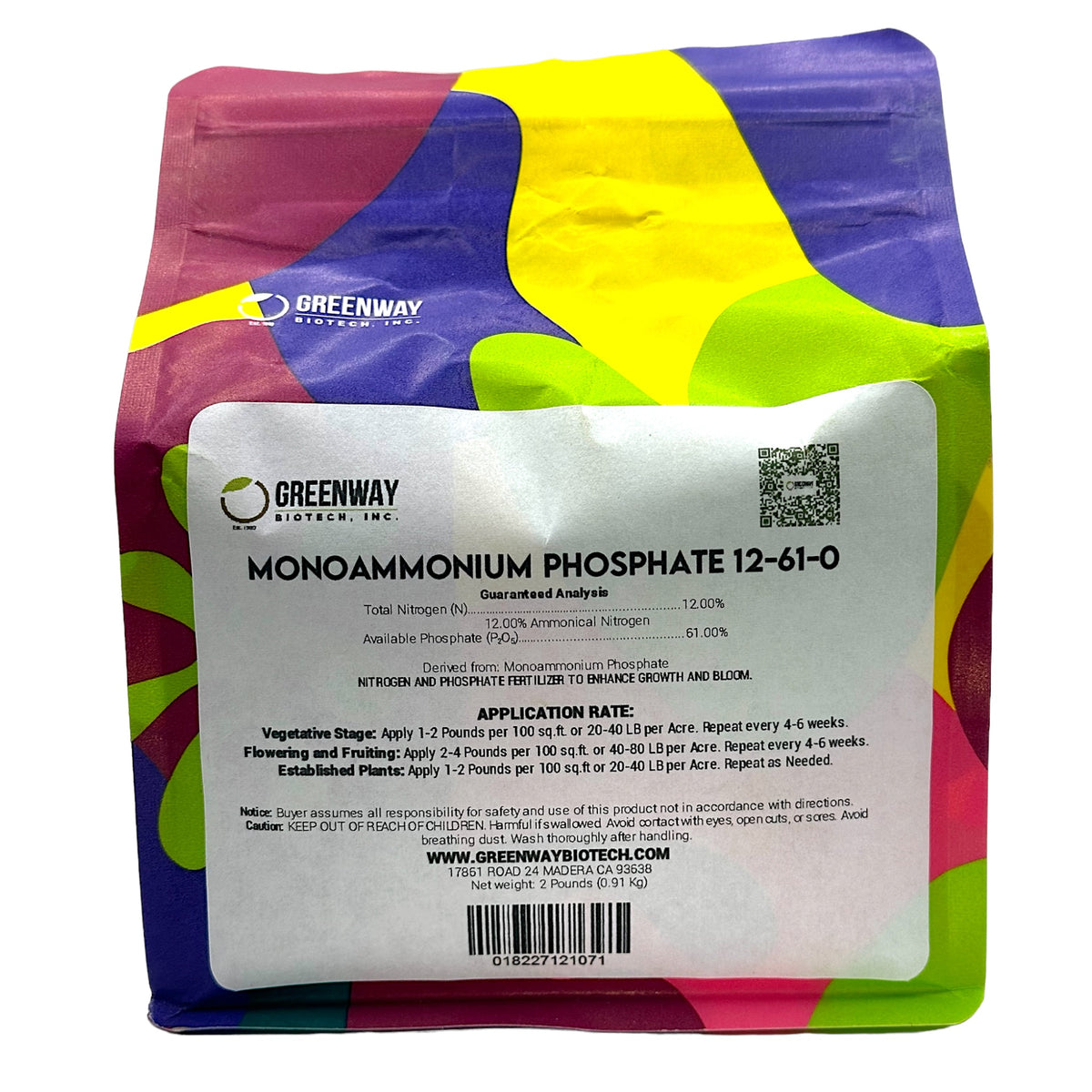
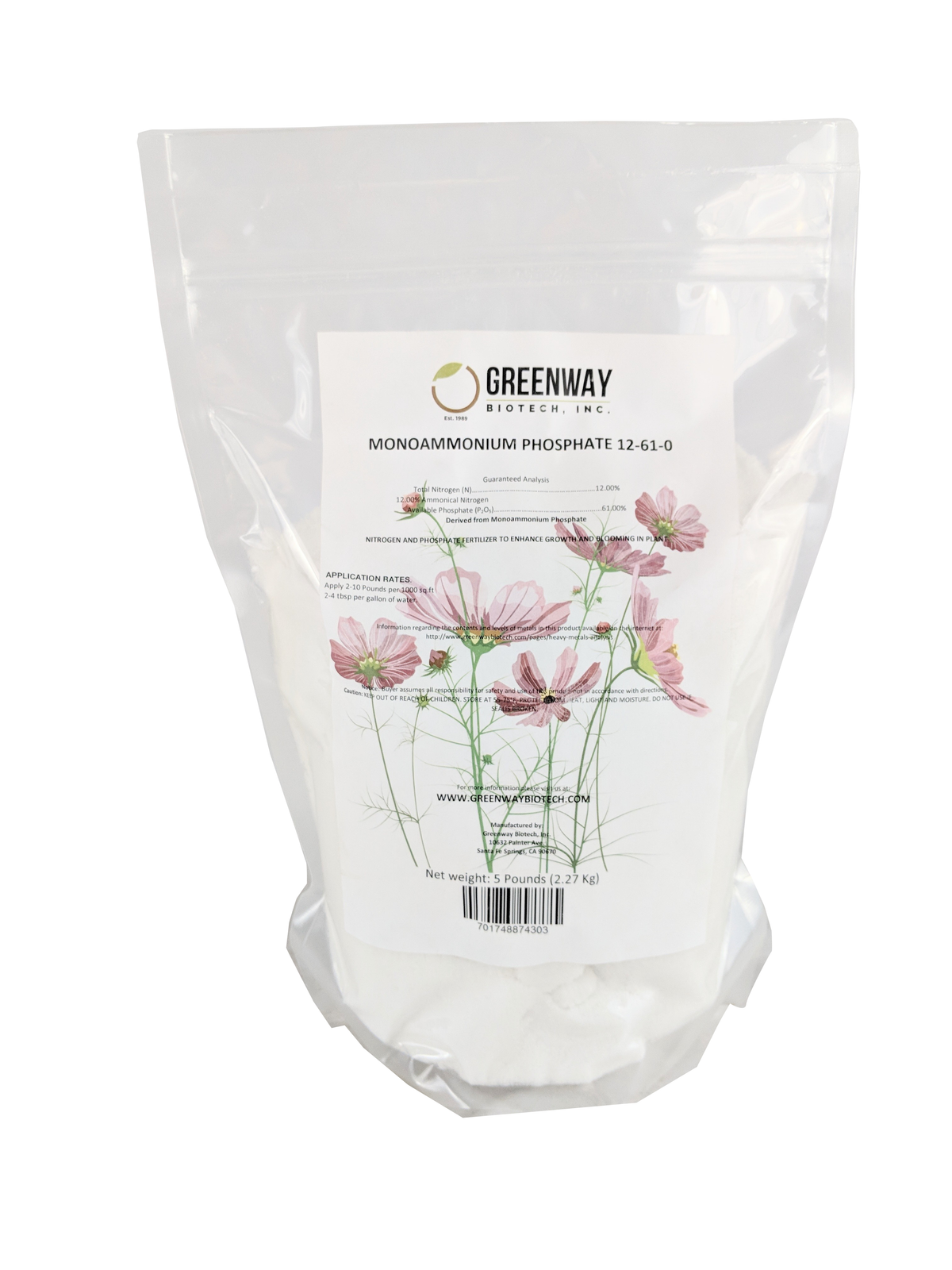
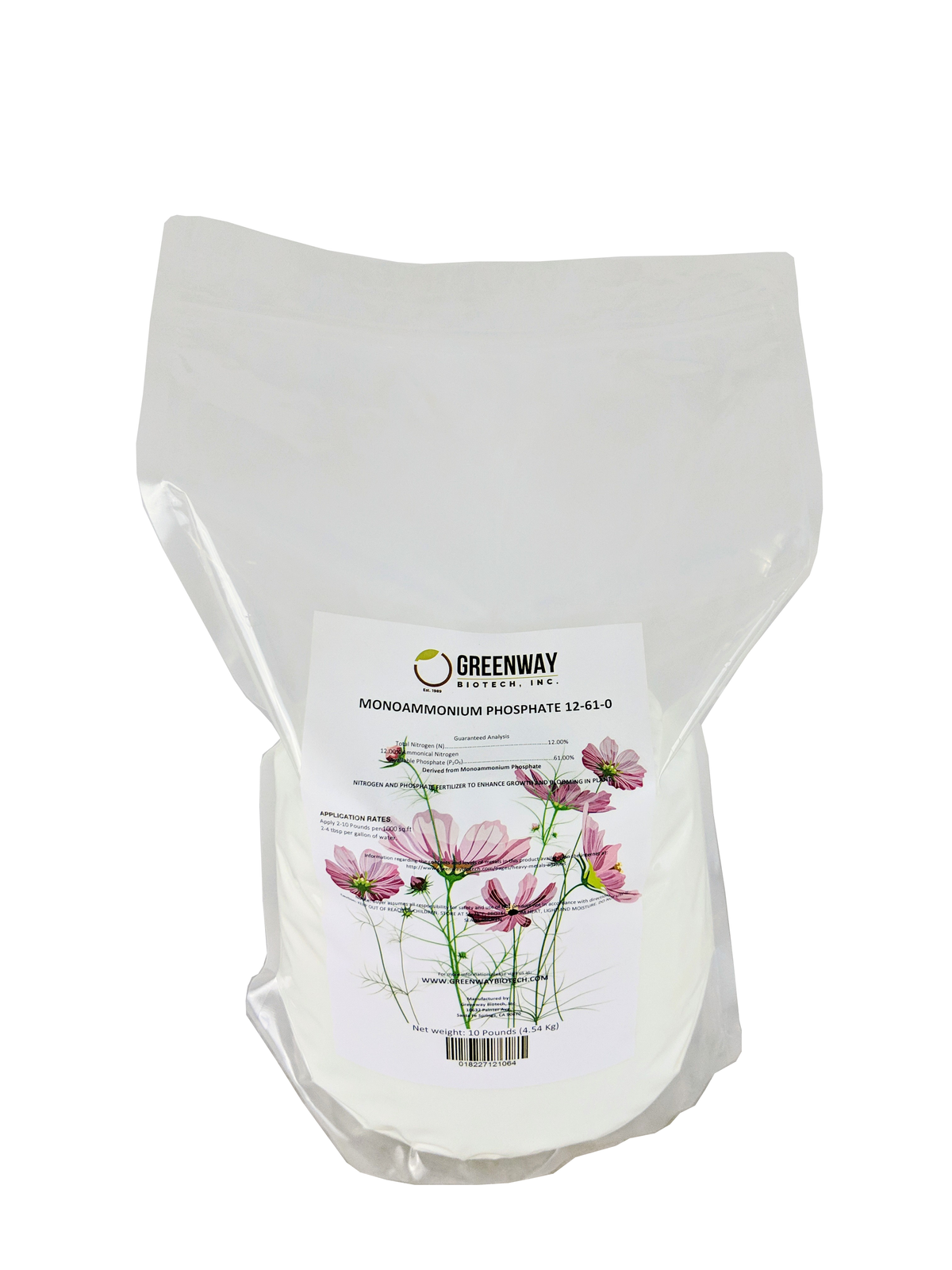
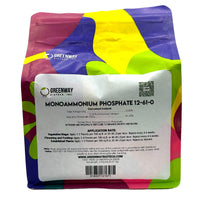
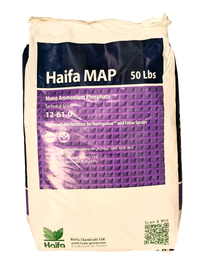
Water-soluble phosphorus and nitrogen · 12-61-0
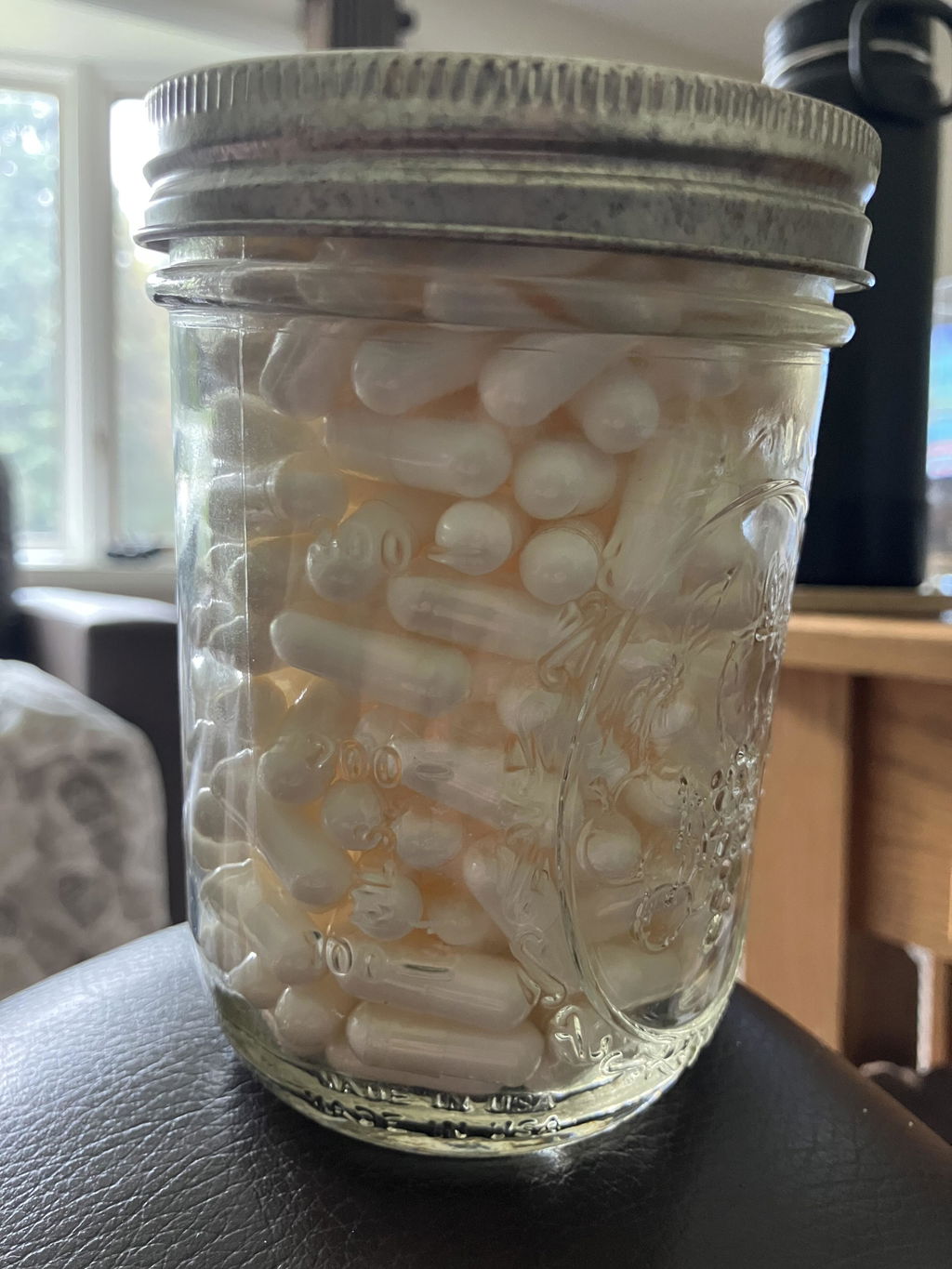
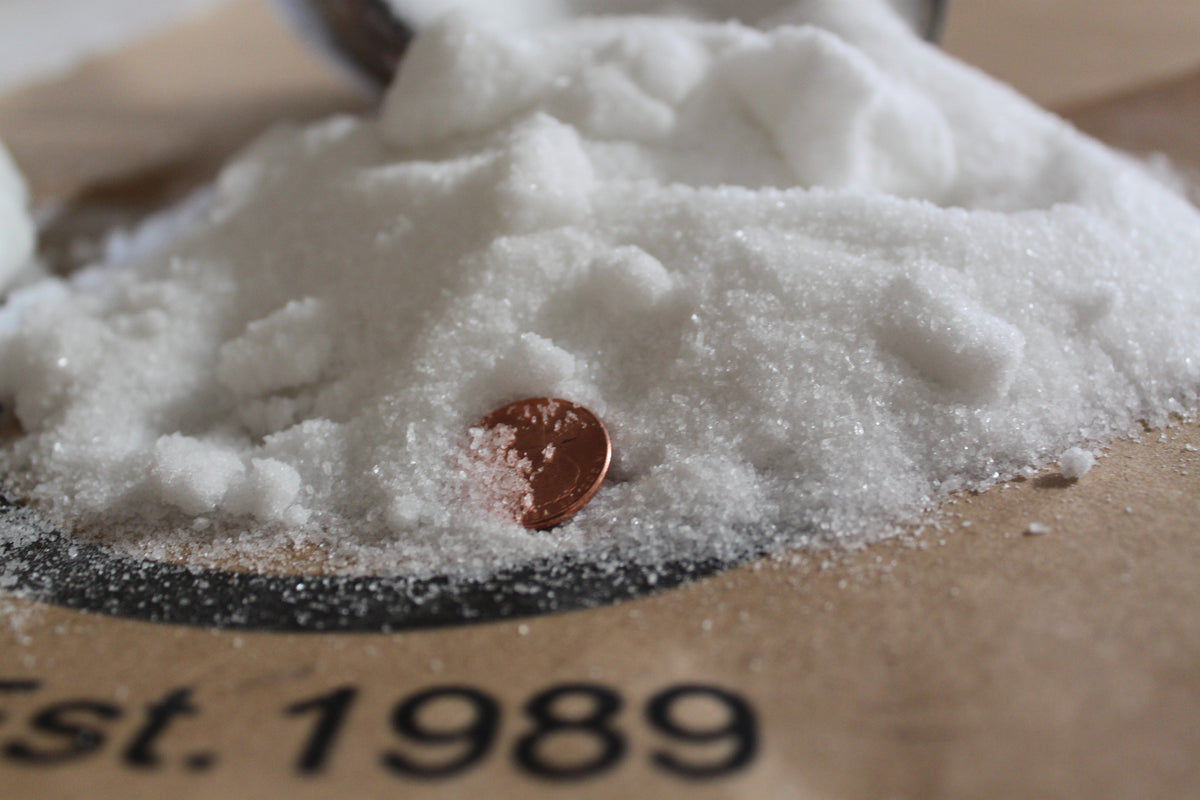
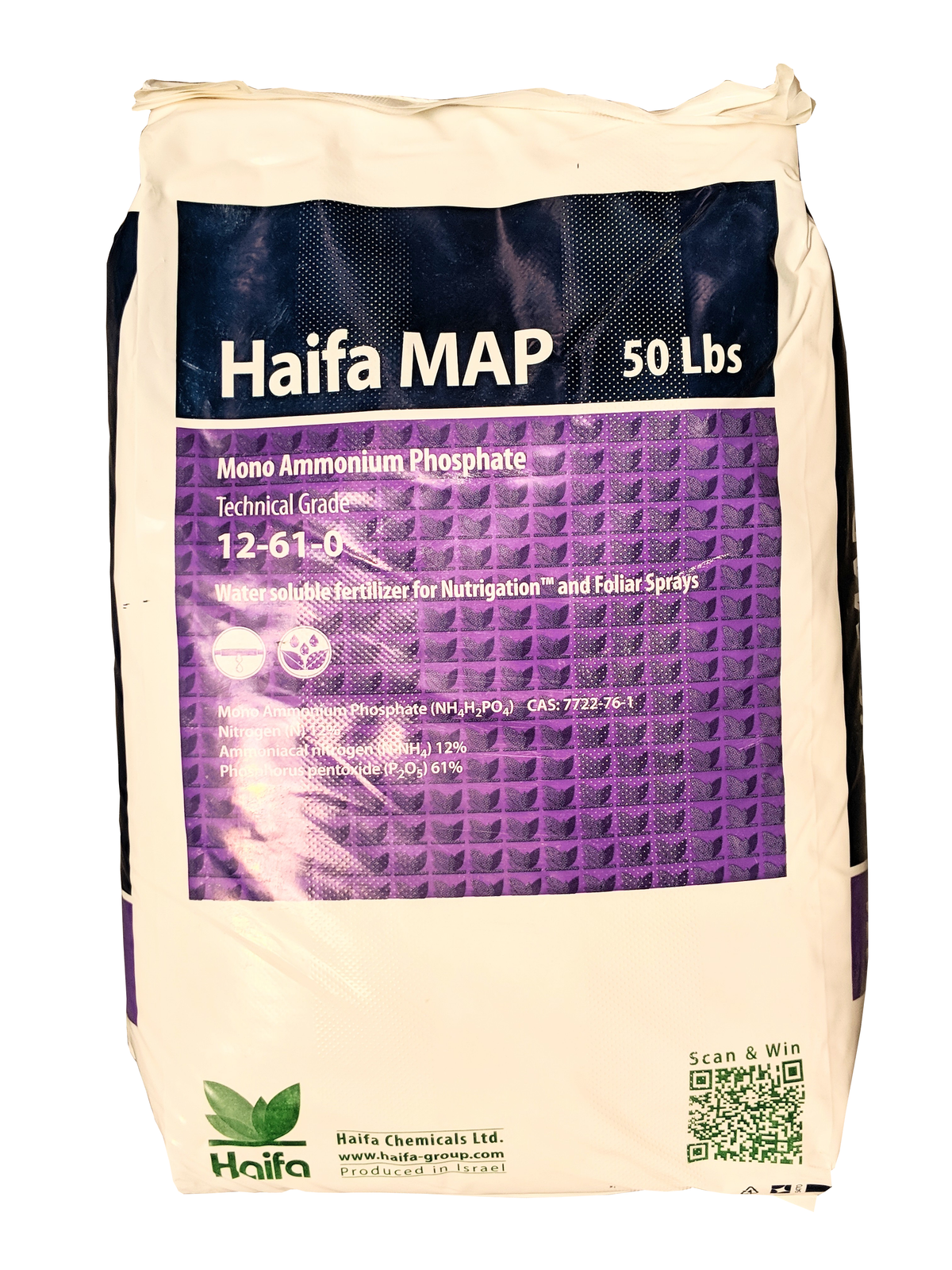
Monoammonium Phosphate 12-61-0 is the water-soluble grade of monoammonium phosphate (NH₄H₂PO₄). It supplies 61% available phosphate (P₂O₅) and 12% nitrogen, all of it ammoniacal, with no potash. Gardeners use it to raise phosphorus in beds that test low, and growers use it as a phosphorus source in hydroponic and fertigation recipes.
Base every application on a soil or water test: beds that already test high in phosphorus need no preplant phosphorus, beyond at most a small starter at transplanting. Its nitrogen is all ammonium, which matters in hydroponic recipes, and its concentrate must be kept apart from calcium concentrates such as calcium nitrate.
| Specification | Detail |
|---|---|
| Total nitrogen (N) | 12.00%, all ammoniacal nitrogen |
| Available phosphate (P₂O₅) | 61.00% |
| Soluble potash (K₂O) | None guaranteed (the grade is 12-61-0) |
| Derived from | Monoammonium phosphate. The Safety Data Sheet lists monoammonium phosphate (CAS 7722-76-1) at 99% or more. |
| Phosphorus as P | 26.6% (61% × 0.4364, the share of P in P₂O₅) |
| Form and solubility | White to off-white crystalline granules or powder. Soluble in water, about 27 g per 100 mL at 20 °C (68 °F), per the Safety Data Sheet |
| Solution pH | 4.0–5.0 for a 1% solution, per the Safety Data Sheet |
| In solution | 1 g per liter adds 266 ppm P (610 ppm as P₂O₅) and 120 ppm ammoniacal N. 1 g per US gallon adds 70 ppm P and 32 ppm N. |
| Hazards | Warning. Causes mild skin irritation. Causes eye irritation. See Handling, storage & limitations. |
| Package sizes | 2, 5, 10, 25, and 50 lb (the 50 lb size may ship as two 25 lb bags) |
Percentages are by weight of product. Pure monoammonium phosphate works out to 12.2% nitrogen and 61.7% P₂O₅, so the 12-61-0 guarantee sits just under the pure compound. Calculate from the guaranteed figures, and weigh the product: this page assumes no weight for a spoonful.
Choose it when a test shows your soil or solution needs phosphorus, and the small amount of ammonium nitrogen that comes with it fits your program.
Iowa State and University of Minnesota Extension give phosphate rates for vegetable gardens by soil-test phosphorus, worked into the soil before planting. See the rate table.
It supplies phosphorus to a nutrient solution by weight: 1 g per liter adds 266 ppm P. The classic Hoagland Solution 2 from the University of California uses ammonium dihydrogen phosphate, which is this compound, as its phosphorus source.
The California Crop Fertilization Guidelines (CDFA and UC Davis) recommend low-ammonium, high-phosphorus fertilizers such as monoammonium phosphate for starter fertilizers, and prefer it to diammonium phosphate, which has a higher salt index and gives off ammonia that is toxic to seedlings. They add that MAP may damage sensitive seedlings in high concentrations, so starter bands sit a set distance from the seed.
Phosphorus recommendations are written as pounds of phosphate (P₂O₅). To convert one to this product, divide by 0.61: pounds of product = pounds of P₂O₅ ÷ 0.61. The tables below already do that. Weigh the product, and base the amount on a current soil or water test.
Test first. Iowa State Extension notes that a soil test provides the information to determine fertilizer rates, and a test shows whether a bed needs any phosphorus at all.
| Bray-P1 test (ppm) | Olsen-P test (ppm) | Phosphate to apply (lb P₂O₅ per 100 sq ft) | This product per 100 sq ft | This product per 1,000 sq ft |
|---|---|---|---|---|
| 0–5 | 0–3 | 0.40 | 297 g (0.66 lb) | 6.6 lb (2,974 g) |
| 6–10 | 4–7 | 0.30 | 223 g (0.49 lb) | 4.9 lb (2,231 g) |
| 11–15 | 8–11 | 0.20 | 149 g (0.33 lb) | 3.3 lb (1,487 g) |
| 16–25 | 12–18 | 0.10 | 74 g (0.16 lb) | 1.6 lb (744 g) |
| Over 25 | Over 18 | 0 | None | None |
Minnesota uses the Bray-P1 test when soil pH is 7.4 or less and the Olsen-P test when it is higher; your lab report names the test. Apply once, before planting: spread the weighed amount evenly and work it into the top 4 to 6 inches, because Minnesota advises incorporating phosphate rather than leaving it on the surface. Each 100 sq ft at the top rate also receives 36 g of ammoniacal nitrogen, so count it toward the bed's nitrogen. This table comes from the Upper Midwest and is not split by crop. Critical levels differ by crop and season: the California guidelines below show winter and spring lettuce responding at Olsen-P levels up to about 40–60 ppm, far above this table's cutoff. If your lab or state Extension service gives a phosphate recommendation in pounds of P₂O₅, use that number with the formula above.
| Crop and soil test | Guideline (lb P₂O₅ per acre) | This product per acre |
|---|---|---|
| Processing tomato, Olsen P below 10 ppm | 60–100 | 98–164 lb |
| Processing tomato, 10–20 ppm | 50–80 | 82–131 lb |
| Processing tomato, above 20 ppm | Unlikely to respond; a small starter may help roots in cold soil | No rate given |
| Lettuce, below 10 ppm | Up to 200 may be needed, especially for winter and spring plantings | Up to 328 lb |
| Lettuce, 30–40 ppm | No more than 100 | No more than 164 lb |
| Starter: lettuce (winter or spring, about 40 to 60 ppm) or broccoli (near 50 ppm) | 20 | 33 lb |
These are California field guidelines, not home-garden rates, and the guideline gives no lettuce figure between 10 and 30 ppm. The lettuce guideline places a starter band about 2 inches below and 2 inches to the side of the seed row and says high-analysis fertilizers such as 11-52-0 need a safe distance from developing plants; the broccoli guideline bands 2–3 inches to the side and 3–4 inches deep.
The Midwest Vegetable Production Guide for Commercial Growers (2020) notes that transplants often respond to a small amount of water-soluble fertilizer in the transplanting water. It names grades such as 14-28-14, 10-52-10, and 23-21-17 at 3 lb per 50 gallons of water, applied at 8 ounces per plant. It does not name monoammonium phosphate, so the amount below is a calculation, not a published rate: 2.56 lb (1,160 g) of this product per 50 gallons, or 23.2 g per gallon, supplies the same phosphate (1.56 lb P₂O₅) and about the same nitrogen (0.31 lb) as 3 lb of 10-52-10, without the potash. Of the three grades the guide names, 10-52-10 is the only one with this product's nitrogen-to-phosphate balance and the highest in phosphate; matching 14-28-14 or 23-21-17 instead would take 12.5 g or 9.4 g per gallon. The calculated solution carries less dissolved fertilizer (23.2 g per gallon) than the guide's own 10-52-10 solution (27.2 g). At 8 ounces per plant, 1 gallon treats 16 plants, about 1.45 g of product per plant. Apply it once, at transplanting, and water after setting the plants if the weather is dry.
Formula. Grams of product = phosphorus target (ppm P) × liters of final solution ÷ 266.2. Multiply US gallons by 3.785 for liters. If your recipe's target is written as P₂O₅, multiply it by 0.4364 first. Each ppm of phosphorus from this product brings 0.45 ppm of ammoniacal nitrogen.
| Target | Source | Per 100 US gal | Per 1,000 L | Ammoniacal N it adds |
|---|---|---|---|---|
| 31 ppm P | Hoagland Solution 2 (University of California Circular 347), which uses 1 mmol/L of ammonium dihydrogen phosphate; also the Cornell modified Sonneveld recipe and the Penn State Extension example | 44.1 g | 116 g | 14.0 ppm |
| 50 ppm P | UF/IFAS hydroponic tomato (HS796), every growth stage | 71.1 g | 188 g | 22.5 ppm |
Count the ammonium. UF/IFAS takes its phosphorus from phosphoric acid, monopotassium phosphate, or a premix, not from this product, and its first-stage nitrogen target is 70 ppm, so supplying all 50 ppm P from MAP would make about a third of that nitrogen ammonium. A 2019 HortScience study by Dickson and Fisher cites recommended ammonium shares of 5–10% of total nitrogen in hydroponics and 10–15% in substrate for most species. In Hoagland Solution 2, the ammonium from 1 mmol/L of this compound is about 7% of the recipe's nitrogen. Where your recipe's ammonium budget is tight, supply part of the phosphorus from monopotassium phosphate.
Keep it away from calcium concentrates, and test hard water. Calcium combines with phosphates to form insoluble precipitates, so recipes keep calcium nitrate in a separate stock tank from phosphates (Cornell, Penn State, UMass Extension). Recipes name the tanks differently, so go by the contents, not the letter. UC Agriculture and Natural Resources reports that phosphate fertilizers injected into irrigation water with more than about 40–50 ppm calcium or magnesium (2.5 meq/L) can form precipitates, and that keeping them dissolved takes enough acid to bring the water to pH 5 or below, which can be far more acidic fertilizer than the crop needs. Before injecting, jar-test: mix the fertilizer into your water at the concentration that will occur in the line, let it stand overnight, and look for cloudiness or sediment.
For soil crops on drip, inject phosphorus only where your soil test, recipe, or advisor calls for it. For drip-irrigated processing tomatoes, UC Davis specialist Tim Hartz writes that with adequate preplant or at-planting phosphorus, in-season phosphorus fertigation is seldom necessary.
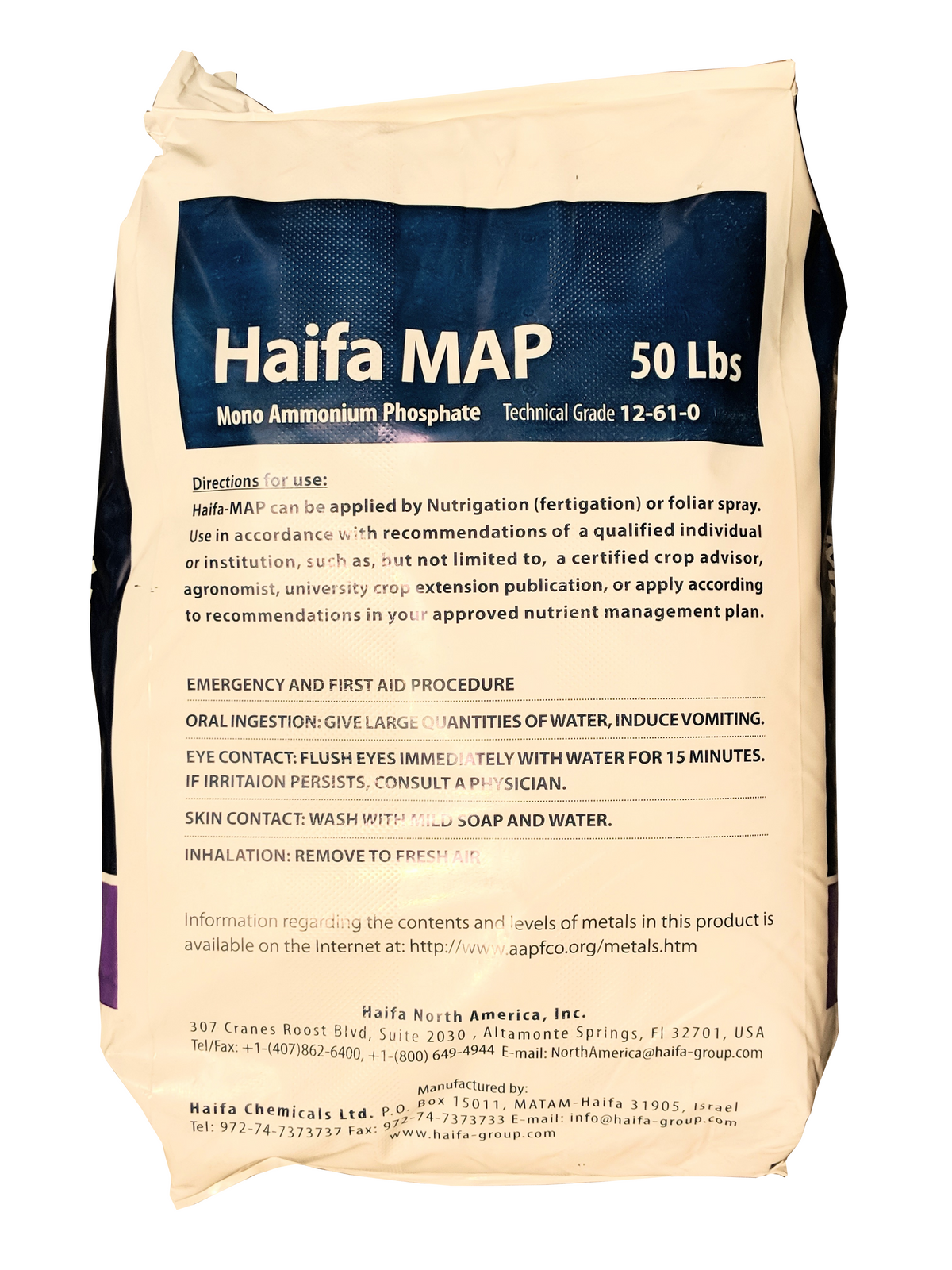
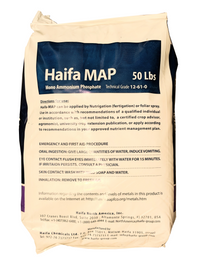
The package label (see Product documents) prints two directions. The first, 2–10 lb per 1,000 sq ft, is a weight, but it states no soil-test level, crop, or timing. That is 1.2–6.1 lb of P₂O₅ per 1,000 sq ft: the low end is already more than Iowa State recommends for soils testing 16–25 ppm Bray-P1 (1.0 lb), the high end is about 1.5 times its rate for the lowest-testing soils (4.0 lb), and soils testing higher need none. The second, 2–4 tablespoons per gallon of water, is a household measure: the weight of a spoonful of this product has not been measured, and the label does not say what it is for or how often to use it. This page sizes applications by soil or water test instead. If the directions on your package differ from this page, email questions@greenwaybiotech.com before applying.
No weighed rate is given here for foliar sprays, containers, or houseplants, because none of the sources used on this page gives one. The Iowa State and Minnesota publications also have phosphate tables for lawns, trees, and shrubs; this page does not convert them. For those uses, apply your soil report's P₂O₅ recommendation with the formula above, or email questions@greenwaybiotech.com with your plant, growing method, and any soil or water test.
Formulas. Beds: pounds of product = square feet ÷ 100 × the lb P₂O₅ per 100 sq ft for your soil test ÷ 0.61. Solutions: grams of product = ppm P target × liters of final solution ÷ 266.2. Lab recommendations: pounds of product = pounds of P₂O₅ recommended ÷ 0.61. Multiply pounds by 453.6 for grams.
Worked examples. A 200 sq ft bed testing 8 ppm Bray-P1 (0.30 lb P₂O₅ per 100 sq ft): 200 ÷ 100 × 0.30 ÷ 0.61 = 446 g (0.98 lb) of product, supplying 54 g of nitrogen; a 2 lb bag covers it. A 50-gallon fresh batch at 31 ppm P: 31 × 189.3 L ÷ 266.2 = 22 g of product, adding 14 ppm ammoniacal nitrogen; a 2 lb bag covers it. A 30-gallon stock tank at 1:100 for 31 ppm P in the final solution: 31 × 11,356 L ÷ 266.2 = 2.92 lb (1,322 g) in the tank, 44 g per gallon of stock, treating 3,000 gallons; a 5 lb bag covers it.
The calculator below asks for your bed area and soil test, or your solution volume and phosphorus target. It applies the Extension table or the formula, states the phosphorus and nitrogen supplied, and recommends the smallest single bag that covers one application, plus a lower-price bag combination when one exists. Prices, tax, and shipping are confirmed at checkout, and availability is confirmed when you add to cart.
The calculator needs JavaScript. If it does not appear, use the rate tables and formulas above to choose a size.
Phosphate binds to soil particles and moves very little (Safety Data Sheet). Minnesota Extension advises working phosphate fertilizer into the soil rather than leaving it on the surface, and field guidelines band starter phosphorus near the seed row. In acid soils, phosphorus reacts with aluminum and iron; in alkaline soils, phosphorus from fertilizers such as monoammonium phosphate usually reacts with calcium to form calcium phosphate minerals (Midwest Vegetable Production Guide). The California guidelines add that phosphorus is less available in cold, wet soils and where free lime is present.
In water, monoammonium phosphate dissolves to ammonium and phosphate ions, and its solution is acidic: pH 4.0–5.0 at 1%, per the Safety Data Sheet. IPNI describes the solution around a dissolving MAP granule as moderately acidic, which it says makes MAP especially desirable in neutral and alkaline soils, and notes that MAP can be placed near seed without concern for ammonia damage. The California guidelines likewise prefer MAP to diammonium phosphate for starters, but add that MAP may damage sensitive seedlings in high concentrations and that concentrated fertilizers such as 11-52-0 should be banded at a safe distance from the seed. In Hoagland Solution 2, the ammonium salt was chosen because it delays the development of undesirable alkalinity in the nutrient solution.
Phosphorus-deficient plants are often stunted with thin stems and dull, dark green or gray-green leaves, and many crops show purple or red coloring under severe deficiency (California guidelines). UConn Extension notes that cold soil is the most common look-alike in tomatoes and that a soil or tissue test confirms the cause. More is not better: Colorado State Extension notes that excessive phosphorus fertilizer can aggravate iron and zinc deficiencies. This describes phosphorus nutrition in general; it is not a trial of this finished product.
Match the product to the need your soil or water test shows. Analyses are each product's guarantee as shown on its page.
| Option | Supplies | Choose it when | Limitation |
|---|---|---|---|
| Monoammonium Phosphate 12-61-0, this product | 61% P₂O₅, 12% ammoniacal N; water-soluble | A bed tests low in phosphorus, or a solution recipe needs phosphorus and can use some ammonium | No potassium; all of its nitrogen is ammonium |
| Monoammonium Phosphate 11-52-0 | 52% P₂O₅, 11% ammoniacal N; granular | You are applying phosphorus dry to soil | Its page describes it as not formulated for fertigation, drip, or foliar use |
| Monopotassium Phosphate 0-52-34 | 52% P₂O₅, 34% K₂O; no nitrogen | A recipe needs phosphorus and potassium with no added ammonium | Supplies potassium whether or not you need it |
| Organic Bone Meal 3-15-0 | 15% P₂O₅, 3% N, plus calcium | You are amending beds and prefer a bone-based phosphorus source | Not for nutrient solutions or drip injection; follow the directions on its page |
Both are monoammonium phosphate. 12-61-0 is the water-soluble grade, with 61% available phosphate (P₂O₅) and 12% ammoniacal nitrogen, for nutrient solutions and for spreading small weighed amounts evenly. 11-52-0 is a granular grade with 52% P₂O₅ and 11% nitrogen, made for applying phosphorus dry to soil; its page describes it as not formulated for fertigation, drip, or foliar use.
Go by a soil test. Iowa State and University of Minnesota Extension recommend 0.40 lb of P₂O₅ per 100 sq ft on the lowest-testing soils (Bray-P1 0–5 ppm or Olsen-P 0–3 ppm), stepping down to 0.10 lb at 16–25 ppm Bray or 12–18 ppm Olsen, and none above that. In this product, that is 297 g down to 74 g per 100 sq ft. Apply it once before planting and work it into the top 4 to 6 inches.
Grams of product = your phosphorus target in ppm P × liters of final solution ÷ 266.2. For 31 ppm P, the level in Hoagland Solution 2, that is 44.1 g per 100 US gallons; for UF/IFAS's 50 ppm P for hydroponic tomatoes, 71.1 g per 100 gallons. Each ppm of phosphorus also adds 0.45 ppm of ammoniacal nitrogen, so count it in your recipe. Weigh the product on a scale.
Not as concentrates. Calcium combines with phosphate to form insoluble precipitates that settle out and can clog emitters, so keep this product in the phosphate stock tank and calcium nitrate in its own tank. Injected at the same time, the two mix in the water line, where they are diluted. Check the final solution for cloudiness, EC, and pH.
Yes. A 1% solution measures pH 4.0–5.0, per the Safety Data Sheet, so measure pH after mixing and adjust to your recipe's target. UC Agriculture and Natural Resources reports that keeping phosphate dissolved in water with more than about 40–50 ppm calcium or magnesium takes enough acid to bring the water to pH 5 or below. At fertigation dilutions, this product will not bring hard water to that pH by itself, so jar-test first.
The Midwest Vegetable Production Guide gives starter solutions as 3 lb of a soluble starter grade such as 10-52-10 per 50 gallons of water, 8 ounces per plant, but it does not name monoammonium phosphate. By calculation, 23.2 g of this product per gallon supplies the same phosphate and about the same nitrogen as that 10-52-10 example, without potash; 1 gallon treats 16 plants. Apply it once, at transplanting.
This page gives no foliar rate, because none of the sources used here gives one for this product. Writing about field crops, Iowa State Extension notes that only a very small fraction of the needed nutrients can be applied to the leaves, and treats foliar feeding as a complement to soil fertilization or a rescue treatment. For a specific crop, email us and we will help.
The label prints 2–10 lb per 1,000 sq ft without a soil-test level or timing, and 2–4 tablespoons per gallon, a household measure that has not been matched to a weight for this product. This page sizes applications from a soil or water test using university sources instead. If the directions on your package differ from this page, email questions@greenwaybiotech.com before applying.
Keep it tightly closed in a cool, dry, well-ventilated place, away from strong alkalis and oxidizers and out of reach of children and animals; it absorbs moisture from the air. It causes eye irritation and mild skin irritation, so wear gloves and eye protection, avoid breathing dust, and wash your hands after use. If it gets in your eyes, rinse with water for at least 15 minutes.
Articles give background. For this product, use the weighed rates and documents on this page.
The soil, field, starter, and solution figures on this page come from the university and research publications below; the composition, hazard, storage, and first-aid statements come from the label and Safety Data Sheet above. They are listed for growers, advisors, and anyone who wants to check them. The publications explain plant nutrition; they do not evaluate or endorse this product.
Rates and sources reviewed October 13, 2026.
Not sure whether your soil needs phosphorus, or how to fit this product into a nutrient recipe? Email your crop, growing method, and soil or water test results to questions@greenwaybiotech.com, or call (562) 351-5168, Monday to Friday, 7 AM to 5 PM Pacific, and we will work through it with you.
Ready to buy? Calculate your amount & choose a bag
Every order carries a 90-day satisfaction guarantee, and we pack and ship from Madera, California. You can also choose a package weight from the size selector at the top of this page.
Greenway Biotech, Inc. is a family-owned fertilizer company based in Madera, California, blending and packaging specialty fertilizers and soil amendments in California since 1989.
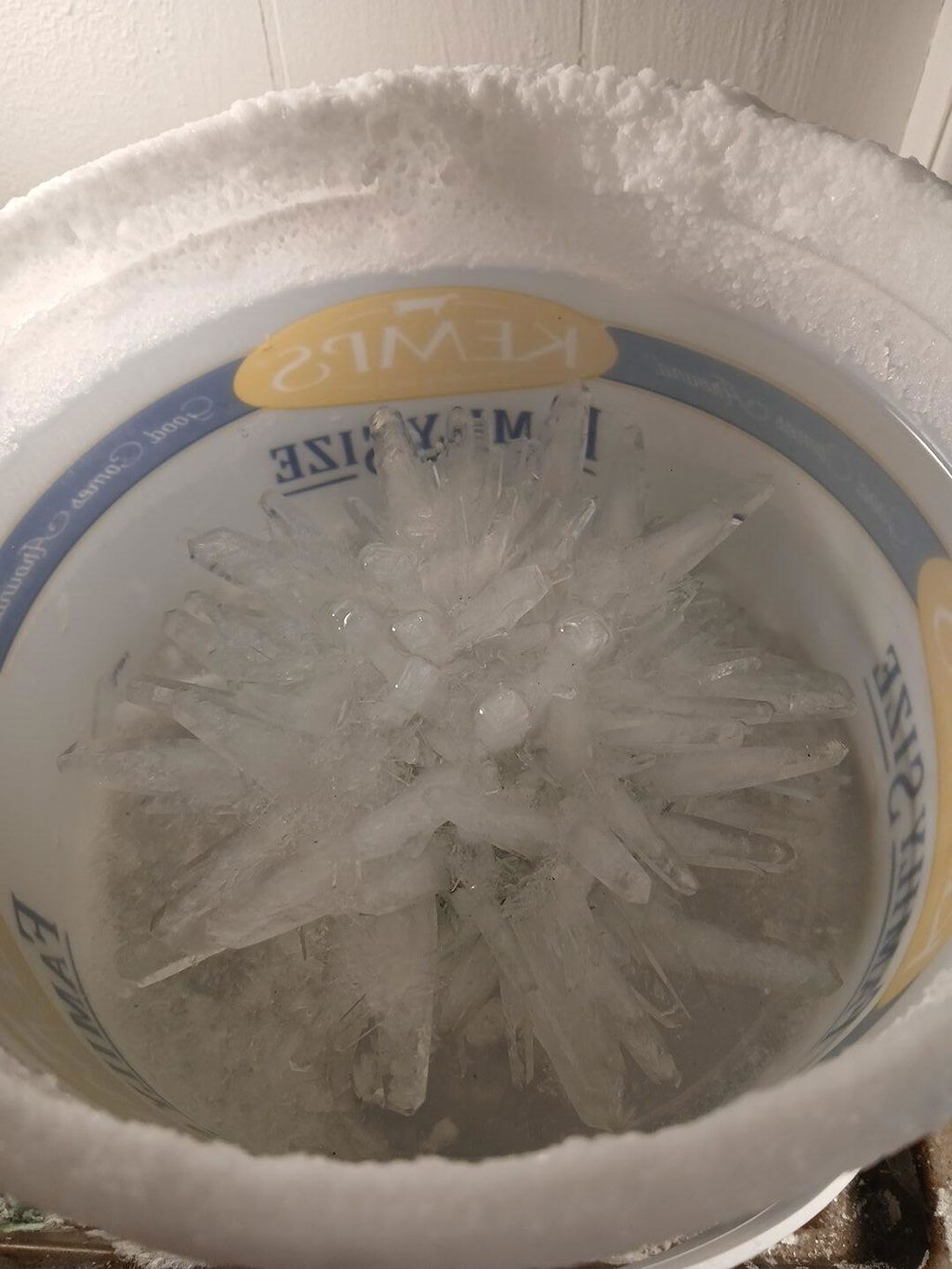
I admit i use it to grow crystals, by it sure is h great for the purpose. Excellent, even. The purity is also excellent, it came very quickly. I will continue to buy it.
Product was fine- but the change of shipping method was disappointing. I paid forFedEx to receive on Sunday. It was switched to USPS- which delayed delivery until Tuesday night.
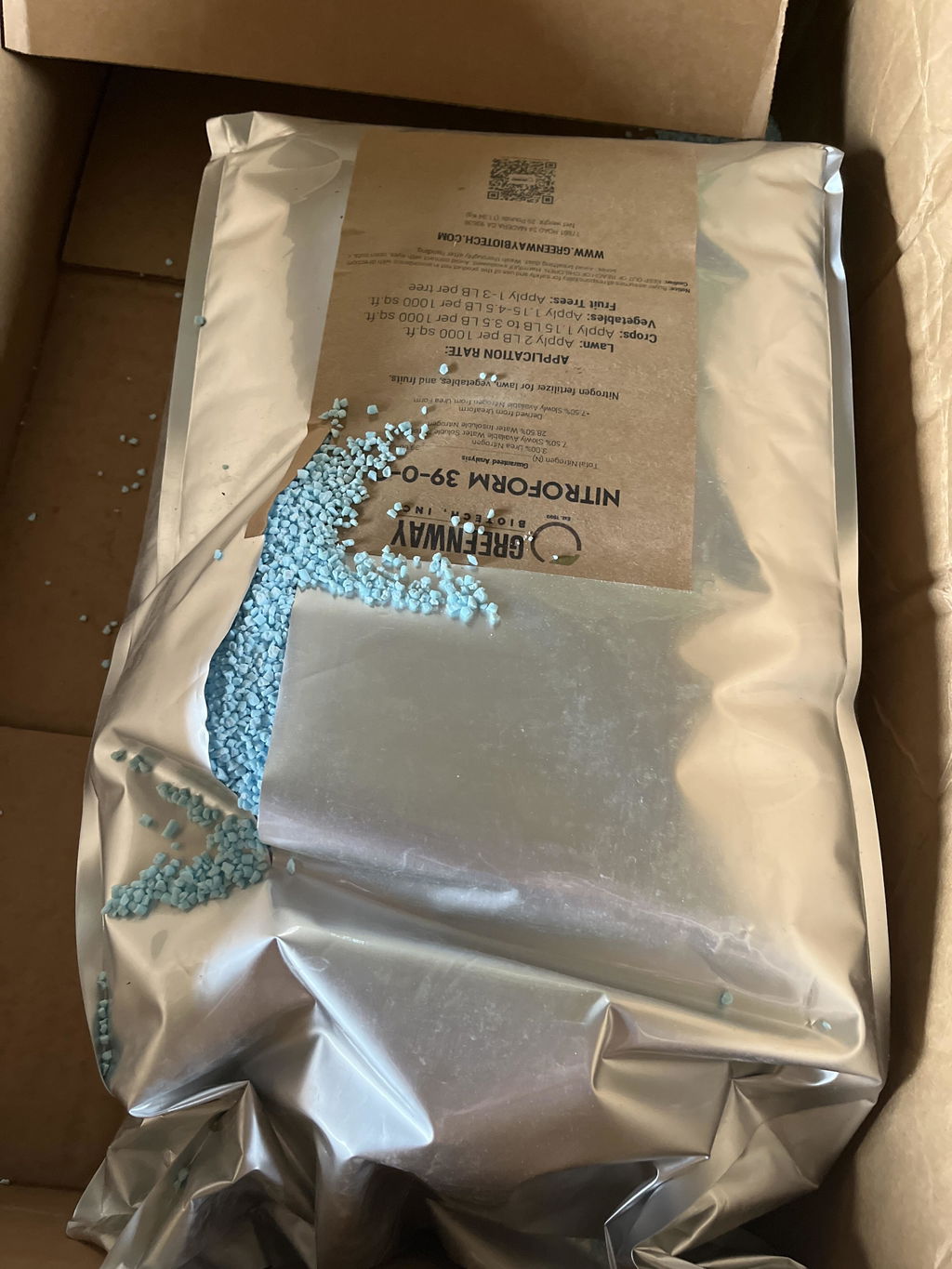
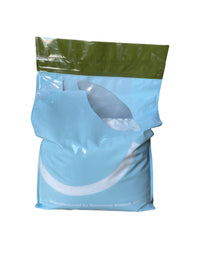
the product is good but the pakaging is poor for the second time I recived the pakage badly dammaged the inner pakaged rupured and all contents were loose in the outer pakage had to cleen and repakage in a baggie
Thank you so much for your honest feedback and for taking the time to leave a 5-star review despite the packaging issues.
We sincerely apologize for the damaged packaging you've experienced twice now. You're absolutely right to bring this to our attention, and we truly appreciate your patience as we work through this challenge.
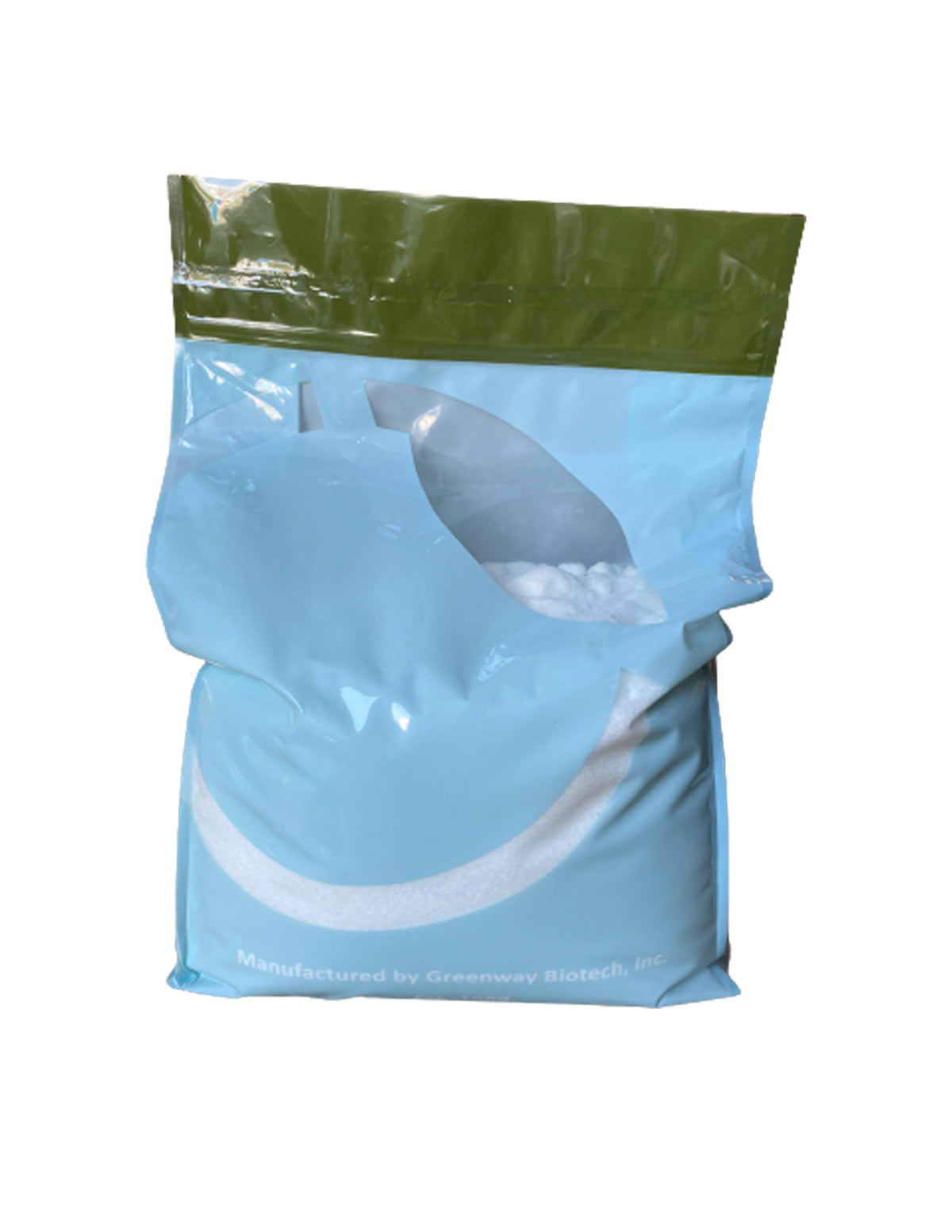
We recently transitioned to compostable packaging as part of our commitment to sustainability, but we're aware that this has unfortunately led to an increase in shipping damage. We're actively working on sourcing more durable compostable alternatives that will better protect your order during transit while maintaining our environmental values.
In the meantime, we'd love to make this right for you. Please reach out to us directly so we can send you a replacement with extra protective packaging, and we'll cover any inconvenience this has caused.
Your feedback helps us improve, and we're committed to finding packaging solutions that protect both your products and our planet. Thank you for your understanding as we work toward a better solution.
Easy to use and quick delivery
Still haven’t even received the item from fed ex.. it was due to arrive 3/29
In progress currently
Have used as part of my personal foliar regimen for years and have always liked the product. Definitely appreciate the speedy service. Would definitely buy from you again.
awsome product, will order again
I am using this as part of a fire retardant formula. Ordering was easy and shipping was quick.
will see in the next week but from everyone I talked with I have no wrries~~
not receive the package yet
It dissolves well without any apparent residue, and it's my go-to phosphorus source.
It met my expectations which are based on positive experiences with other Greenway products.
Thanks for quick delivery!
My oder came quickly. I am satisfied with the service and the product.
it was great! love it!
After my kids got one of those cheap little crystal growing kits, that comes with just enough base material to make a palm size crystal, I decided like any self respecting awesome dad to make the kids some mega-crystals. A little googlizing turns out Monoammonium Phosphate is the powder in the crystal kit. 7 days later the crystals are the size of my face, and the kids love the science. Thanks. Great price, great product, quick shipping. Will certainly buy more, cause the next ones are gonna be grown in a 5 gallon bucket, oh yeah.
The package was not robust so one of the bag was broken and the chemical is all over the package.