What You Need to Know About Celiac's and Magnesium
•Posted on March 27 2024

Last updated: February 20, 2026
Technical Review by: Amir Tajer, B.S.M.E., QAL — Co-Owner & Technical Director, Greenway Biotech
Reviewed against: NIH Office of Dietary Supplements Magnesium Fact Sheet, University of Chicago Celiac Disease Center clinical guidelines, and peer-reviewed literature on celiac-related malabsorption
Disclosure: Greenway Biotech manufactures magnesium products mentioned in this guide. Dietary sources and alternative supplementation forms are also discussed. This article is educational only and does not constitute medical advice.
⚡ Quick Facts: Celiac Disease & Magnesium
- Why deficiency occurs: Villous atrophy in the small intestine impairs absorption of magnesium and other minerals even when intake is adequate.
- How common is it: Studies show magnesium deficiency is present in a significant portion of newly diagnosed celiac patients following a standard diet.[1]
- Key symptoms to watch: Muscle cramps, fatigue, irregular heartbeat, and numbness — symptoms that often overlap with general celiac complaints.
- Best supplement forms: Magnesium citrate and magnesium glycinate are typically well-tolerated; Magnesium Chloride USP offers high bioavailability.
- Topical option: Magnesium Oil Spray and Bath Flakes are used for comfort and to avoid GI irritation — they work well as a complement to oral supplementation, not a replacement for confirmed deficiency treatment.
- Other common deficiencies: Iron, calcium, zinc, vitamin D, folate, B12, and potassium are also frequently low in celiac patients.
- Bottom line: Always consult a healthcare provider before starting supplementation — testing helps confirm deficiency and guides dosing.
In the world of autoimmune conditions, celiac disease stands out as a significant player, affecting millions of individuals globally. Characterized by an immune response to gluten — a protein found in wheat, barley, and rye — celiac disease can have far-reaching implications beyond digestive discomfort.
One such implication is the potential link between celiac disease and low magnesium levels.[1] In this comprehensive guide, we'll explore the intricate relationship between celiac disease and magnesium deficiency, why it happens, how to address it, and what supplementation options typically work well for people managing this condition.
📋 Who This Guide Is For
This article is written for adults with celiac disease or suspected malabsorption who are discussing magnesium status with their clinician. It is educational in nature and is not a substitute for personalized medical advice.
Understanding Celiac Disease

Celiac disease is an autoimmune disorder characterized by an adverse reaction to gluten. Upon gluten ingestion, the immune system launches an attack on the small intestine, resulting in inflammation and damage to its lining.
This damage impairs nutrient absorption, leading to a cascade of symptoms ranging from gastrointestinal distress to fatigue, nutrient deficiencies, and even neurological issues. Beyond its digestive manifestations, celiac disease can have far-reaching implications for overall health and well-being.
🔬 Did You Know?
The villi — tiny finger-like projections lining the small intestine — are responsible for absorbing most nutrients. In active celiac disease, these villi become flattened (villous atrophy), dramatically reducing the surface area available for absorption.[2] Healing on a strict gluten-free diet can take 1–2 years or longer in adults — and some research suggests full mucosal recovery may take considerably more time in older adults.[7]
Related Post: How to Improve Gut Health With Magnesium
Can Celiac Disease Cause Low Magnesium?

The intricate interplay between celiac disease and nutrient absorption can result in deficiencies, including low levels of magnesium. The damaged intestinal lining in individuals with celiac disease impairs the body's ability to absorb essential nutrients adequately — even when dietary intake is sufficient.
Research confirms that adults with celiac disease following a gluten-free diet still commonly show nutritional imbalances, including low magnesium, because intestinal healing is gradual and absorption often remains below optimal for extended periods.[1]
🔬 Did You Know?
Magnesium is absorbed throughout the intestine via both passive (paracellular) and active (transcellular) pathways.[6] Because celiac disease damages the small-intestinal lining along its length, magnesium absorption can be significantly impaired — especially before the gut has fully healed on a strict gluten-free diet.
Is Magnesium Beneficial for Celiac Disease?

Magnesium plays a crucial role in overall health, participating in over 300 enzymatic reactions within the body.[3] For individuals with celiac disease, ensuring adequate magnesium levels is particularly important due to the compounded risk of malabsorption-driven deficiency.
Magnesium contributes to muscle and nerve function, supports immune system regulation, helps maintain blood sugar levels, and plays a foundational role in bone health — all areas that celiac disease can compromise. Addressing magnesium deficiency as part of a broader nutrient repletion strategy may help improve quality of life for many people managing this condition.
Related Post: Here's How to Easily Stop Bloating With Epsom Salt
Should Celiacs Take Magnesium?
Given the propensity for magnesium deficiency in individuals with celiac disease, supplementation may be warranted — but individual needs vary significantly. It's essential to consult with a healthcare professional and, ideally, confirm deficiency through blood testing before starting any supplementation regimen.
In parallel with supplementation, incorporating magnesium-rich gluten-free foods into the diet is beneficial. Good dietary sources that are naturally gluten-free include leafy greens (spinach, Swiss chard), nuts and seeds (almonds, pumpkin seeds), legumes, and whole grains such as quinoa and brown rice.
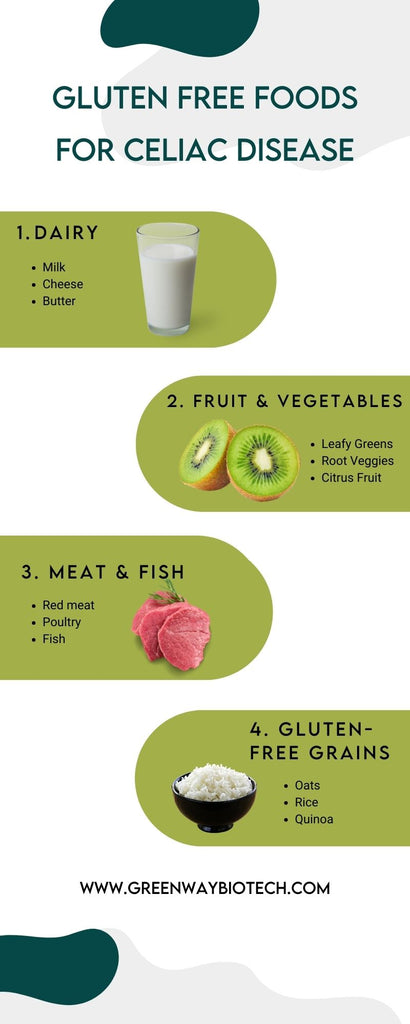
💡 Dietary vs. Supplemental Magnesium
Even on a strict gluten-free diet, intestinal healing takes time. For many celiac patients — especially those newly diagnosed — food sources alone may not be enough to restore magnesium levels quickly. A combination of dietary improvement and targeted supplementation often works best in the early recovery period, under medical supervision.
Before You Choose a Magnesium Supplement
While magnesium supplementation works well for most people with celiac-related deficiency, the right form, dose, and route of administration depends on your individual situation. Here's how to think through the decision:
| Your Situation | Recommended Approach |
|---|---|
| Newly diagnosed, not yet confirmed deficient | Request magnesium testing; clinicians may assess serum levels alongside symptoms and dietary context — focus on dietary sources while awaiting results |
| ⭐ Confirmed magnesium deficiency | Oral magnesium glycinate or citrate — well-tolerated with a sensitive GI tract; consider Magnesium Chloride USP for high bioavailability |
| Active GI symptoms / ongoing intestinal inflammation | Consider topical magnesium (oil or cream) to bypass the compromised gut; consult your doctor |
| On a strict gluten-free diet but still symptomatic | Request comprehensive nutrient panel — multiple deficiencies are common and may need concurrent repletion |
| Taking other medications or supplements | Consult a healthcare provider — magnesium interacts with certain antibiotics, diuretics, and proton pump inhibitors |
| Pregnant or nursing | Work with an OB or registered dietitian; magnesium needs are elevated and supplementation should be medically supervised |
| Intestinal healing confirmed (follow-up biopsy normal) | Dietary sources may be sufficient; supplement only if blood levels remain low |
💡 Test Before You Supplement
Serum magnesium can miss low total-body stores. Less than 1% of the body's magnesium circulates in blood, and serum levels are tightly regulated — meaning they may appear "normal" even when overall stores are genuinely depleted.[3] In practice, clinicians may consider additional context including dietary intake, symptoms, and medication use, and sometimes order supplementary measures (such as urinary magnesium excretion) rather than relying on serum values alone. Ask your clinician which approach is most appropriate for your situation.
What Vitamin Deficiencies Does Celiac Disease Cause?

Celiac disease can lead to deficiencies in a wide range of vitamins and minerals due to impaired nutrient absorption in the damaged small intestine. Magnesium is just one of several nutrients commonly affected. Below are the most frequently documented deficiencies associated with celiac disease.[1][8]
| Nutrient | Why It's Affected | Common Symptoms of Deficiency |
|---|---|---|
| Iron | Poor absorption from proximal small intestine damage | Fatigue, weakness, shortness of breath, anemia |
| ⭐ Magnesium | Villous atrophy impairs active and passive transport | Muscle cramps, fatigue, irregular heartbeat, numbness |
| Calcium | Damaged intestinal lining reduces calcium uptake | Bone loss, osteoporosis risk, muscle weakness |
| Zinc | Malabsorption in proximal intestine | Hair loss, delayed wound healing, impaired taste |
| Vitamin D | Fat-soluble vitamin; fat malabsorption is common | Weakened bones, muscle weakness, immune dysfunction |
| Folate (B9) & B12 | Absorption requires healthy intestinal mucosa | Megaloblastic anemia, fatigue, neurological symptoms |
| Potassium | Malabsorption and increased losses from diarrhea | Weakness, muscle cramps, irregular heart rhythms |
Individuals with celiac disease should work with their healthcare provider to monitor nutrient levels regularly, particularly in the first year following diagnosis and during the transition to a gluten-free diet.
Related Post: How Magnesium Supports a Healthy Detox
Best Magnesium Supplement for Celiacs

When selecting a magnesium supplement, it's important to opt for products that are gluten-free, well-absorbed, and gentle on a potentially sensitive digestive system. Several forms are commonly recommended for celiac patients:
Magnesium citrate and magnesium glycinate are often recommended for their high absorption rates and reduced likelihood of causing gastrointestinal discomfort, making them suitable for individuals with sensitive digestive systems. Magnesium oxide, while inexpensive, is generally less bioavailable and may aggravate GI symptoms at higher doses — typically a less suitable choice for this population.
🌱 Recommended: Magnesium Chloride USP
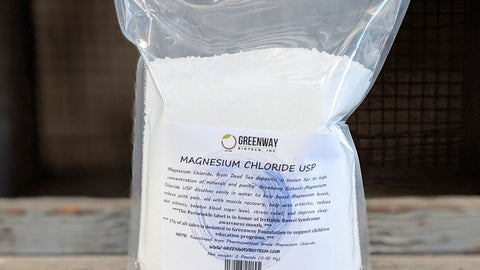
Our pharmaceutical-grade Magnesium Chloride USP offers high bioavailability in a pure, gluten-free form — a practical choice for replenishing magnesium levels with confidence in product quality.
Shop Magnesium Chloride USP💡 Dosing Guardrails to Discuss with Your Clinician
The NIH sets the Tolerable Upper Intake Level (UL) for supplemental magnesium at 350 mg/day for adults — amounts above this from supplements (not food) may cause adverse effects including diarrhea.[3] Magnesium can also interact with certain medications: it may reduce absorption of some antibiotics (fluoroquinolones, tetracyclines) and bisphosphonates if taken at the same time. Taking magnesium 2 hours before or after these medications is generally recommended. Always review your full medication list with a pharmacist or clinician before starting supplementation.
Exploring Magnesium Chloride as a Supplement

Among the various forms of magnesium supplements available, magnesium chloride stands out as a promising option for individuals with celiac disease. It offers high bioavailability, ensuring efficient absorption by the body, and dissolves readily in water for flexible dosing.
Our Magnesium Chloride USP supplement is produced to pharmaceutical-grade standards, known for its purity and effectiveness. It provides a convenient and reliable means of replenishing magnesium levels in individuals with celiac disease, supporting overall health and well-being.
💡 Magnesium Chloride vs. Other Forms
Magnesium chloride is notable because it doesn't require the same digestive steps as some oxide or carbonate forms. The chloride anion may actually support stomach acid production, potentially aiding overall digestion — an added benefit for celiac patients who sometimes experience reduced gastric acidity.
🛁 Also Recommended: Magnesium Bath Salts
For a relaxing way to supplement topically, our Magnesium Bath Salts Bundle and Epsom Salt offer a gentle, absorption-friendly option alongside oral supplementation.
Shop Magnesium Bath SaltsCan Topical Magnesium Address Magnesium Deficiency in Celiac Disease?

Topical magnesium (sprays, creams, and bath soaks) is commonly used for comfort and relaxation — particularly when oral magnesium causes GI side effects or when someone is looking for a complementary approach to their overall wellness routine. Because it's applied to the skin, it avoids direct GI irritation.
What the research says: Evidence that magnesium absorbed through the skin meaningfully improves magnesium status is limited and mixed — and some published reviews conclude that current data do not support transdermal magnesium as a reliable way to correct clinical deficiency.[4] If you suspect deficiency, lab testing and an oral supplementation plan (or clinician-directed repletion) remains the primary approach. Topical products work well as a comfort-focused complement, not a replacement for confirmed deficiency management.
Our topical magnesium options that may support those with celiac disease include:
| Product | Format | Best For |
|---|---|---|
| ⭐ Magnesium Oil Spray | Liquid spray | Quick daily application to legs, arms, or abdomen |
| Magnesium Chloride Bath Flakes | Dissolves in bath water | Full-body absorption in a relaxing bath soak |
| Epsom Salt | Dissolves in bath water | Muscle relaxation and gentle magnesium exposure |
Related Post: Is Magnesium Important for Vitamin D Absorption?
Recognizing Magnesium Deficiency Symptoms in Celiac Disease
Many symptoms of magnesium deficiency overlap with general celiac disease complaints, which can make deficiency easy to overlook. Learning to recognize specific patterns often helps distinguish magnesium-related issues from broader malabsorption symptoms.
| Symptom | Possible Magnesium-Related Cause | Suggested Action |
|---|---|---|
| Muscle cramps, especially at night | Magnesium deficiency impairs muscle relaxation | Discuss magnesium testing with your clinician; topical magnesium oil at bedtime may offer comfort support |
| ⭐ Persistent fatigue despite gluten-free diet | Multiple nutrient deficiencies (Mg, iron, B12) are common together | Request comprehensive nutrient panel; address all deficiencies concurrently |
| Irregular heartbeat / palpitations | Magnesium is critical for cardiac electrical function | Seek medical evaluation — do not self-treat cardiac symptoms |
| Numbness or tingling in extremities | May indicate Mg or B12 deficiency affecting nerve function | Request serum B12, folate, and magnesium testing with clinical context assessment |
| Anxiety, irritability, poor sleep | Magnesium plays a role in GABA pathway regulation | Discuss with healthcare provider; magnesium bath flakes may support relaxation |
| Weak or brittle bones (low bone density) | Combined calcium, vitamin D, and magnesium deficiency | Request DEXA scan if not already done; address all three nutrients |
| GI symptoms persist on strict gluten-free diet | Possible refractory celiac or secondary deficiencies complicating healing | Follow up with gastroenterologist; do not adjust supplements without guidance |
⚠️ Important
Cardiac symptoms such as palpitations or irregular heartbeat should be evaluated by a physician before any supplementation changes. Severe magnesium deficiency may require intravenous repletion in a clinical setting, particularly in acute situations.
🎯 Key Takeaways
- Celiac disease frequently causes magnesium deficiency due to villous atrophy reducing absorption in the small intestine — not from inadequate dietary intake alone.
- Magnesium supports muscle function, immune health, blood sugar regulation, and bone density — areas particularly vulnerable in celiac disease.
- Because less than 1% of the body's magnesium is in blood, serum magnesium levels can appear normal even when total stores are low — clinicians may use additional context (symptoms, diet, medication use) alongside lab values to assess status.[3]
- Magnesium glycinate and magnesium citrate tend to be gentler on the digestive system; Magnesium Chloride USP offers high bioavailability in a pharmaceutical-grade form.
- Topical options like Magnesium Oil Spray and Magnesium Chloride Bath Flakes work well as comfort-focused complements — they help avoid GI irritation, but current evidence does not support them as reliable standalone treatments for confirmed magnesium deficiency.
- Magnesium deficiency rarely occurs in isolation in celiac patients — iron, calcium, vitamin D, zinc, folate, and B12 should also be monitored.
- Always work with a healthcare provider before starting supplementation, as individual needs, medication interactions, and severity of deficiency all influence the best approach.
❓ Frequently Asked Questions
Can celiac disease cause low magnesium?
Yes — celiac disease can cause low magnesium. The immune-mediated damage to the small intestinal lining (villous atrophy) impairs the body's ability to absorb magnesium from food, even when dietary intake is adequate. This is one of several nutrient deficiencies commonly associated with active or recently diagnosed celiac disease. Research confirms nutritional imbalances including low magnesium are frequently observed in adult celiac patients, even those following a gluten-free diet.[1]
What are the symptoms of low magnesium in celiac disease?
Common symptoms include muscle cramps (particularly at night), persistent fatigue, irregular heartbeat, numbness or tingling in the hands and feet, anxiety, poor sleep, and in severe cases, cardiac arrhythmias. Many of these symptoms overlap with general celiac complaints, which is why blood testing is important for accurate diagnosis rather than assuming symptom cause.
Should people with celiac disease take magnesium supplements?
It depends on the individual. Supplementation is often recommended when deficiency is confirmed through blood testing, but it's best to consult a healthcare provider before starting. The right form, dose, and route (oral vs. topical) depend on severity of deficiency, current GI health, and other medications or supplements being taken. Many people with celiac disease benefit from magnesium supplementation alongside a strict gluten-free diet.
What is the best magnesium supplement for people with celiac disease?
Magnesium glycinate and magnesium citrate are often recommended due to their high absorption rates and gentler effects on the digestive system. Magnesium chloride — such as our Magnesium Chloride USP — is also a well-absorbed option in pharmaceutical-grade form. Those with ongoing GI symptoms may find topical forms like Magnesium Oil Spray or Bath Flakes particularly useful as they bypass gut absorption entirely.
Can topical magnesium help celiac disease patients?
Topical magnesium (oils, creams, bath flakes) is commonly used for comfort — particularly for muscle relaxation and to avoid GI side effects from oral supplements. However, published reviews note that evidence for transdermal magnesium meaningfully correcting clinical magnesium deficiency is limited and mixed.[4] Topical products work well as a complement to a clinician-directed oral supplementation or repletion plan, not as a standalone treatment for confirmed deficiency. They are generally considered safe under medical guidance.
What other nutrient deficiencies does celiac disease cause?
Celiac disease commonly causes deficiencies in iron, calcium, magnesium, zinc, vitamin D, folate (B9), vitamin B12, and potassium. Because the small intestine is responsible for absorbing most of these nutrients, widespread malabsorption is typical in active disease. Comprehensive nutrient testing is generally recommended at diagnosis and periodically thereafter to catch and address multiple deficiencies together.
How long does it take to correct magnesium deficiency in celiac disease?
Recovery time varies widely depending on severity of deficiency, how well intestinal healing progresses on a gluten-free diet, and whether supplementation is used. Mild deficiency may improve within weeks with supplementation; more significant depletion can take several months to normalize. Ongoing monitoring through blood tests helps track progress and adjust supplementation as needed.
Can magnesium deficiency mimic celiac symptoms?
Yes — several symptoms of magnesium deficiency overlap significantly with celiac disease symptoms, which can make it easy to attribute everything to gluten exposure or slow healing. Fatigue, muscle cramps, numbness, anxiety, and poor sleep can all stem from magnesium deficiency rather than (or in addition to) active celiac disease. This overlap is one reason comprehensive nutrient testing is generally recommended at diagnosis and at regular intervals, even in patients adhering strictly to a gluten-free diet.
What magnesium is easiest on the stomach for celiac disease?
Magnesium glycinate is generally considered the best-tolerated oral form for people with sensitive digestive systems — it's highly absorbed and less likely to cause loose stools compared to magnesium oxide or high-dose magnesium citrate. Magnesium citrate at moderate doses is also well-tolerated for most. Our Magnesium Chloride USP dissolved in water offers a flexible, well-absorbed option. If oral forms consistently cause GI discomfort, discuss this with your clinician, as topical formats may suit your routine as a comfort complement.
📚 Sources
- Nutritional Imbalances in Adult Celiac Patients Following a Gluten-Free Diet — NCBI/PMC (2021)
- Villous Atrophy and Celiac Disease — Celiac Disease Foundation
- Magnesium Fact Sheet for Health Professionals — NIH Office of Dietary Supplements
- Myth or Reality — Transdermal Magnesium? — Nutrients, MDPI (2017)
- Celiac Disease and Malabsorption: Pathophysiology and Management — NCBI/PMC
- Current Opinion on the Regulation of Small Intestinal Magnesium Absorption — World Journal of Gastroenterology (2023)
- How Long Does It Take for Symptoms to Improve? — National Celiac Association
- Micronutrient Considerations for Celiac Disease — Practical Gastroenterology (2023)

Comments
0 Comments
Leave a Comment