Does Topical Magnesium Work? Benefits, Absorption & Uses
•Posted on January 16 2024

Last updated: February 2026
Technical Review by: Amir Tajer, B.S.M.E., QAL — Co-Owner & Technical Director, Greenway Biotech
Reviewed against: National Institutes of Health (NIH) Office of Dietary Supplements magnesium guidelines, Oregon State University Linus Pauling Institute micronutrient research, and peer-reviewed transdermal absorption studies
Disclosure: Greenway Biotech manufactures the magnesium products mentioned in this guide. Oral supplementation options and third-party brand comparisons are also discussed.
⚡ Quick Facts: Topical Magnesium
- What it is: Magnesium chloride or magnesium sulfate dissolved in water and applied directly to skin — also called transdermal magnesium
- Primary forms: Magnesium Oil Spray, Magnesium Cream, Bath Flakes, and Epsom Salt
- Absorption route: Through the epidermis (skin) rather than the digestive tract — may be better tolerated by those with digestive sensitivity
- Common uses: Muscle recovery, sleep support, joint discomfort, skin health, and migraine management
- Key quality indicator: Pharmaceutical-grade (USP) magnesium chloride sourced and tested for heavy metals — look for third-party COA
- Glass packaging: Greenway Biotech packages magnesium oil in glass — plastic bottles can leach chemicals into the solution over time
- Who benefits most: People with magnesium deficiency, athletes, those with digestive issues that limit oral supplementation
Magnesium is involved in over 300 enzymatic reactions in the human body — yet surveys consistently show that a majority of American adults do not meet the Recommended Dietary Allowance through food alone.[1] Oral supplements work for many people, but they come with a well-known side effect: digestive distress at higher doses.
Topical magnesium offers an alternative route. By applying magnesium chloride or magnesium sulfate directly to the skin, you bypass the gastrointestinal tract entirely. Products like magnesium oil spray, magnesium cream, and bath flakes have grown in popularity among athletes, wellness practitioners, and anyone looking for a gentler way to support their magnesium levels.
This guide covers what topical magnesium actually is, how it works, what the research says about its benefits, how to use it safely, and how to choose the right form for your needs.
What Is Topical Magnesium?
Topical magnesium — also called transdermal magnesium — refers to any magnesium-based product designed to be absorbed through the skin rather than swallowed. The active ingredient in most topical products is magnesium chloride (MgCl₂), a highly bioavailable form of magnesium that dissolves readily in water and interacts well with skin tissue.
The most common forms include:
| Product Form | Active Ingredient | Best For |
|---|---|---|
| ⭐ Magnesium Oil Spray | Magnesium chloride + water | Targeted muscle and joint application, fast absorption |
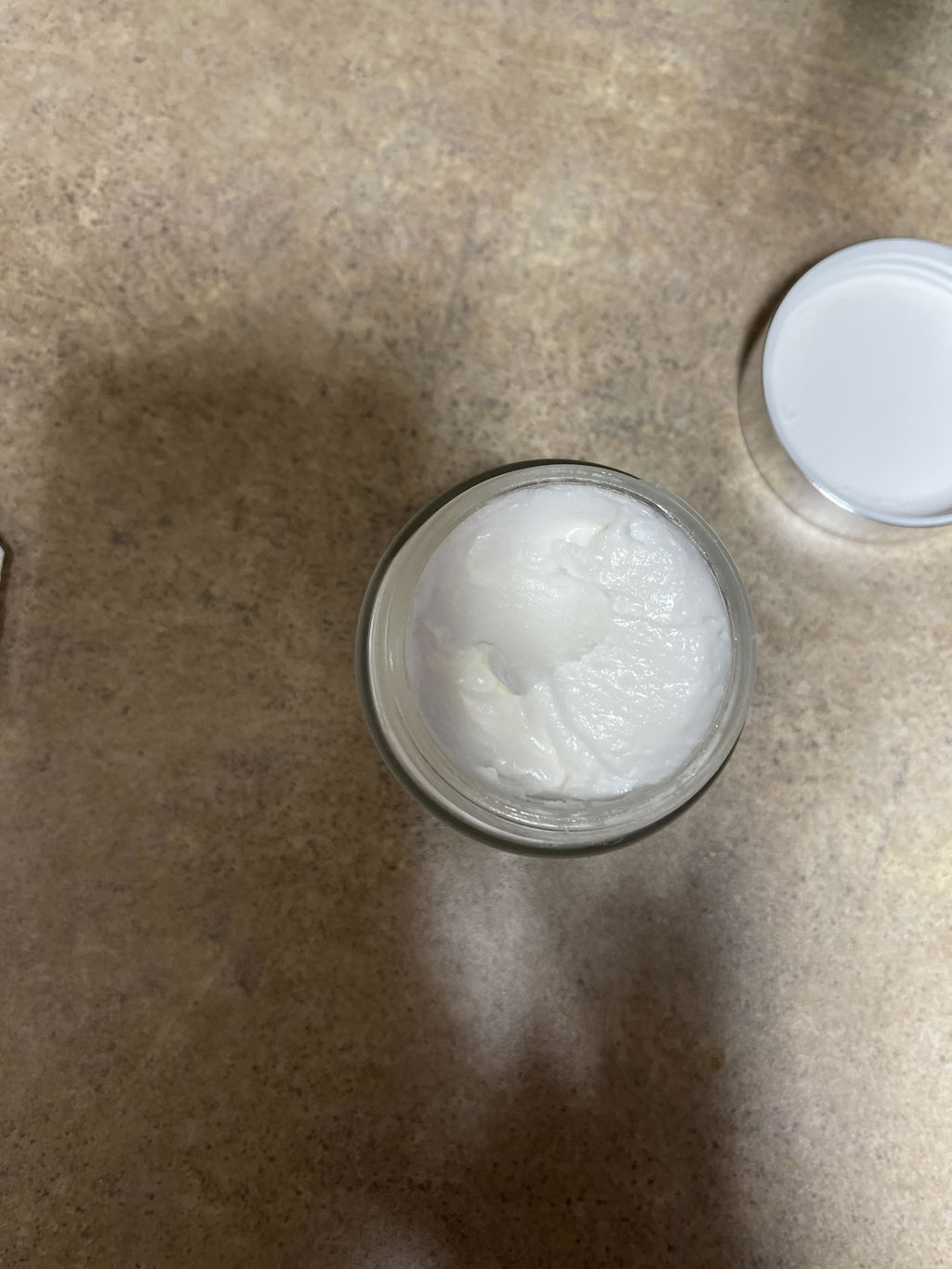
| Magnesium Cream | Magnesium chloride + emollients | Sensitive skin, moisturizing benefit alongside magnesium |
| Bath Flakes | Magnesium chloride | Full-body absorption, relaxation, sleep support |
| Epsom Salt | Magnesium sulfate | Foot soaks, baths, muscle recovery |
| Magnesium Chloride USP Powder | Pharmaceutical-grade MgCl₂ | DIY solutions, custom concentrations |
Despite the name "oil," magnesium oil spray contains no actual oil. The slightly slick, oily feel when applied to skin comes from the concentration of magnesium chloride salt in solution. Our Magnesium Oil Spray uses pharmaceutical-grade magnesium chloride powder and filtered water — and is packaged in glass rather than plastic, since plastic can leach chemicals into the solution over time.
🔬 Did You Know?
Magnesium chloride is also used in food production (as a coagulant in tofu-making) and in medicine as an IV treatment for pre-eclampsia and cardiac arrhythmias — making it one of the most well-studied magnesium compounds available.[2]
How Does Transdermal Magnesium Work?
The skin is the body's largest organ and serves as both a protective barrier and, in certain circumstances, a route for molecular absorption. Transdermal drug delivery is a well-established medical practice — nicotine patches, hormone patches, and pain relief patches all rely on the same principle.
For magnesium specifically, the absorption pathway is thought to work through two routes: the transcellular route (directly through skin cells) and the transappendageal route (through hair follicles and sweat glands).[3]
It's worth noting that the research on transdermal magnesium absorption is still developing. Some studies show measurable increases in serum and intracellular magnesium following topical application, while other researchers argue the skin's barrier function limits significant systemic absorption in typical use.[4] What the research more consistently supports is localized benefit — that is, magnesium applied to a sore muscle or joint may act locally through interaction with nerve endings and soft tissue, regardless of whether it raises systemic magnesium levels significantly.
Study designs vary widely in dose, exposure time, and outcome measures, which is part of why findings are mixed.
💡 Warm Skin Absorbs Better
Applying topical magnesium after a shower, bath, or light exercise — when skin is warm and circulation is higher — is generally thought to improve comfort and may support absorption. Gently rubbing the product in for 30–60 seconds may also help compared to simply spraying and leaving it.
Topical Magnesium Benefits
The potential benefits of topical magnesium largely mirror those of magnesium supplementation in general — because magnesium is essential to so many biological functions. Here's what the research and clinical experience suggest, with appropriate nuance about where evidence is stronger versus more preliminary.
Muscle Relaxation and Recovery
Magnesium plays a direct role in muscle contraction and relaxation by regulating calcium uptake in muscle cells.[5] People with magnesium deficiency often experience more frequent muscle cramps and slower recovery. Topical application to sore or cramped muscles — particularly after exercise — is one of the most common uses and the one with the most consistent anecdotal and clinical support.
🌱 Recommended: Magnesium Chloride USP Powder
Our pharmaceutical-grade magnesium chloride dissolves cleanly in water for DIY sprays, foot soaks, or bath solutions. Third-party tested for heavy metals with results well below EPA limits.
Shop Magnesium Chloride USP📊 MAGNESIUM CHLORIDE SOLUTION CALCULATOR
Calculate how much Magnesium Chloride USP powder you need for your bath, foot soak, or DIY spray solution based on your desired volume and concentration.
Sleep Support
Magnesium is involved in the regulation of melatonin production and the activation of GABA receptors, both of which play roles in sleep quality.[6] Many people report improved sleep when taking a magnesium bath or applying magnesium oil before bed. A warm bath with magnesium bath flakes or Epsom salt 30–60 minutes before sleep combines the relaxation benefits of warm water with potential magnesium absorption.
Pain Relief and Chronic Discomfort
Magnesium has been studied for its role in pain modulation, particularly through its action as an NMDA receptor antagonist — a mechanism that interrupts pain signal transmission.[7] For people with chronic conditions like fibromyalgia, topical magnesium may help reduce localized pain when applied regularly to affected areas.
Migraine Management
Research indicates that magnesium deficiency is common among people who experience migraines, and intravenous magnesium has been used clinically as an acute migraine treatment.[8] Topical magnesium is a gentler option — applying magnesium oil spray to the neck and temples at the onset of a migraine is a practice reported by many users, though controlled studies specifically on topical application for migraines are limited.
Controlled trials specifically evaluating topical magnesium for migraines are still limited, so results may vary by individual.
Skin Health
Magnesium is involved in skin barrier function and has been studied in the context of inflammatory skin conditions. Bathing in magnesium-rich water has been associated with improved skin hydration and reduced roughness in some studies, particularly in people with atopic dry skin.[9] Magnesium cream combines these skin benefits with added moisturizing ingredients for a dual-purpose product.
Heart Health (Indirect)
Adequate magnesium status supports normal heart rhythm, blood pressure regulation, and vascular function.[1] The connection to topical magnesium specifically is indirect — by supporting overall magnesium levels and enabling better physical activity through improved muscle function and reduced discomfort, topical products may contribute to a more active lifestyle that benefits cardiovascular health.
🔬 Did You Know?
Approximately 50% of the body's total magnesium is stored in bone, with most of the remainder inside cells. Only about 1% of total body magnesium circulates in the blood — which is why blood serum tests are often a poor indicator of true magnesium status.[1]
Is Topical Magnesium an Anti-Inflammatory?
In research, adequate magnesium status is associated with lower inflammatory markers. Studies suggest a connection between magnesium intake and lower levels of C-reactive protein (CRP), a key marker of systemic inflammation, and that magnesium deficiency may contribute to a low-grade chronic inflammatory state.[5]
The NMDA receptor antagonist activity of magnesium is particularly relevant here — by modulating these receptors, magnesium can help reduce neurogenic inflammation, which contributes to joint pain and conditions like arthritis.[7] People with swollen, achy joints often find that regular use of magnesium cream applied directly to the affected joint provides noticeable relief, likely through a combination of local anti-inflammatory activity and the rubbing/massage action of application.
💡 Arthritis and Joint Discomfort
For joint-specific application, magnesium cream tends to work better than spray because the thicker consistency stays on the area longer and the application process itself involves gentle massage. Apply to clean, dry skin and allow 20–30 minutes before covering with clothing.
Before You Choose a Topical Magnesium Product
While all topical magnesium products share the same active mineral, the right form depends significantly on your specific goals, skin sensitivity, and lifestyle. Here's a practical framework to help you decide:
| Your Situation | Best Product Choice |
|---|---|
| Specific sore muscles or joints — want fast, targeted relief | Magnesium Oil Spray applied directly to the area |
| ⭐ Sensitive skin or find spray causes tingling/itching | Magnesium Cream — buffered formula is gentler on reactive skin |
| Want full-body relaxation and sleep support | Bath Flakes or Epsom Salt in a warm bath |
| Prefer DIY flexibility (custom spray, foot soak, or bath concentration) | Magnesium Chloride USP Powder — mix to your desired strength |
| Foot-specific issues (cramps, soreness, restless legs) | Epsom Salt or bath flakes in a foot soak basin |
| Looking for dual skin moisturizing + magnesium benefit | Magnesium Cream — contains emollients alongside MgCl₂ |
| New to topical magnesium, not sure where to start | Start with Magnesium Oil Spray on legs/arms — easy to test tolerance |
💡 The Tingling Is Normal (But There's a Fix)
Many first-time users of magnesium oil experience a tingling or mild stinging sensation, especially on freshly shaved or sensitive skin. This is commonly related to the concentration of magnesium chloride on the skin surface and typically diminishes with regular use. If it's uncomfortable, dilute the spray with water or rinse off after 20 minutes — you can still use it consistently and comfortably.
🌱 Most Versatile: Magnesium Oil Spray
Pharmaceutical-grade magnesium chloride in filtered water, packaged in glass. Works well for targeted muscle application, general supplementation, and as a base for diluted solutions.
Shop Magnesium Oil Spray📊 MAGNESIUM OIL SPRAY CALCULATOR
Calculate how much magnesium oil spray to use based on your body area, desired daily dose, and number of sprays per application.
How to Use Topical Magnesium
Proper application makes a meaningful difference in both comfort and effectiveness. Below are guidelines for each product type.
Magnesium Oil Spray
Mix: Ready to use — no preparation needed (pre-dissolved magnesium chloride)
Apply: 5–10 sprays (approximately 1–2 mL) to thighs, calves, abdomen, or arms
Dose received: Approximately 150–300 mg of elemental magnesium per application, depending on concentration
Coverage: One 8 oz bottle typically provides 150–200 applications
Rub in gently for 30–60 seconds. Leave on for at least 20 minutes before rinsing if desired. Use daily for best results — many people apply morning and evening.
Magnesium Cream
Mix: Ready to use — cream form
Apply: A small amount (approximately 1 teaspoon / 5g) massaged into target area
Dose received: Approximately 75–150 mg elemental magnesium per teaspoon, depending on product concentration
Coverage: Typically 60–90 applications per 8 oz jar
Magnesium Bath Flakes
Mix: 1–2 cups (approximately 200–400g) in a standard bathtub filled with warm water
Apply: Soak for a minimum of 20 minutes — 30–40 minutes is often better for sleep support
Dose received: Absorption varies significantly by individual, skin condition, and water temperature
Coverage: A 3 lb bag typically provides 5–8 full baths
Epsom Salt (Magnesium Sulfate)
Mix: 1–2 cups (approximately 250–500g) in a full bath, or 1/2 cup in a foot soak basin
Apply: Soak 20–40 minutes
Dose received: Variable — magnesium sulfate is less soluble and some research suggests lower transdermal absorption than magnesium chloride
Coverage: A 5 lb bag provides approximately 8–10 full baths
🌱 Bath & Soak: Epsom Salt
Food-grade magnesium sulfate for baths, foot soaks, and garden use. Works well for relaxation, muscle recovery, and as an accessible entry point to magnesium soaking.
Shop Epsom Salt📊 EPSOM SALT BATH CALCULATOR
Calculate how much Epsom salt to use for your bath or foot soak based on tub volume and desired concentration.
Topical vs. Oral Magnesium: Which Is Better?
This is one of the most common questions we hear — and the answer is that they're often complementary rather than competing options. Here's how they compare:
| Factor | Topical Magnesium | Oral Magnesium |
|---|---|---|
| Absorption pathway | Through skin — bypasses GI tract | Through intestinal wall — dependent on gut health |
| Digestive side effects | None (common complaint with oral is loose stools) | Possible at higher doses, especially with oxide/citrate forms |
| Localized benefit | Strong — apply directly to sore area | Systemic only — no targeted delivery |
| Systemic supplementation | Evidence still developing; variable absorption | Well-established for raising serum magnesium |
| ⭐ Best combined use | Topical for localized muscle/joint issues | Oral for confirmed systemic deficiency |
For a deeper comparison, see our full guide: What Is the Best Way to Take Magnesium — Orally or Transdermally?
🔬 Did You Know?
High-dose oral magnesium (especially oxide and citrate forms) draws water into the intestines through osmosis — which is why these forms are used as laxatives. Topical magnesium completely sidesteps this mechanism, making it a practical option for people who need higher magnesium without the digestive consequences.
Troubleshooting Topical Magnesium Problems
Most issues with topical magnesium (sometimes searched as "magnesium oil side effects") are minor and easy to resolve. Here are the most commonly reported problems and practical solutions:
| Issue | Likely Cause | Solution |
|---|---|---|
| Tingling or stinging on application | Concentrated solution on sensitive, freshly shaved, or recently exfoliated skin; common in first-time users | Dilute spray with equal parts water; typically resolves within 1–2 weeks of regular use |
| White residue on skin after drying | Normal — concentrated MgCl₂ crystallizes as water evaporates | Rinse after 20 minutes, or simply wipe off before dressing — does not reduce effectiveness |
| Skin irritation or redness | Sensitivity to concentration; possible reaction to additives in some products | Switch to magnesium cream (gentler), patch test on forearm first, or dilute spray further |
| No noticeable effect after 1–2 uses | Consistent daily use needed to notice effect; some benefits are cumulative | Use daily for 2–4 weeks before evaluating; try applying immediately post-shower when absorption may be higher |
| Spray bottle clogging | Magnesium chloride crystallization in nozzle | Soak nozzle in warm water for 10 minutes; store away from temperature extremes |
| Bath flakes not dissolving fully | Water not warm enough; flakes added too quickly | Use warm (not cold) water; add flakes gradually while running water to encourage dissolution |
⚠️ When to Consult a Healthcare Provider
While topical magnesium is generally well-tolerated, people with kidney disease should consult a physician before using magnesium products, as impaired kidneys may not regulate magnesium excretion normally. If you experience persistent skin irritation, stop use and consult a dermatologist.
Can You Take Too Much Topical Magnesium?
Magnesium toxicity (hypermagnesemia) from topical application is rare — healthy kidneys efficiently excrete excess magnesium through urine. Unlike high-dose oral supplementation, which can cause nausea, vomiting, and diarrhea at excessive amounts, topical magnesium is generally considered to have a wide safety margin for most healthy adults.
The main concern with excessive topical use is skin irritation rather than systemic toxicity. Symptoms of actual magnesium overdose (which would require very significant systemic absorption) include nausea, low blood pressure, lethargy, and muscle weakness. These are far more commonly associated with oral magnesium or IV administration than topical products.
As a practical guideline: follow recommended application amounts for your chosen product, allow for absorption time (20+ minutes before rinsing), and use daily rather than applying large amounts infrequently.
🌱 Magnesium Cream — Gentle Daily Option
Our magnesium cream works well for daily use and sensitive skin applications. Combines pharmaceutical-grade magnesium chloride with skin-supporting ingredients.
Shop Magnesium Cream🎯 Key Takeaways
- Topical magnesium — applied as a spray, cream, or bath product — bypasses the digestive tract, making it a practical option for people who experience GI side effects from oral supplements
- Magnesium Oil Spray and Magnesium Cream work well for targeted muscle and joint applications; bath products are better for full-body relaxation and sleep support
- Tingling on first application is normal and typically resolves with continued use — diluting the spray is an easy fix if it's uncomfortable
- The anti-inflammatory properties of magnesium, particularly its NMDA receptor antagonist activity, make topical application relevant for joint discomfort, arthritis, and chronic pain conditions
- For systemic magnesium deficiency, oral supplementation has stronger evidence for raising serum levels — topical and oral forms are often used together rather than as replacements for each other
- Pharmaceutical-grade (USP) magnesium chloride, third-party tested and packaged in glass, represents the highest quality standard available for topical products
- Explore our full Personal Care Collection including bath salts, essential oils, and skin care products for a complete magnesium wellness routine
❓ Frequently Asked Questions
What is topical magnesium used for?
Topical magnesium is commonly used for muscle relaxation and recovery, sleep support, joint discomfort and inflammation, migraine management, and skin health. It's applied directly to the skin as a spray, cream, or bath soak, and is often chosen by people who experience digestive issues with oral magnesium supplements.
How long does topical magnesium take to work?
For localized effects — like applying magnesium oil to a sore muscle — many users notice relief within 20–30 minutes of application. For systemic benefits like improved sleep, consistent daily use over 1–4 weeks is typically needed before noticeable changes occur. Warm skin after a bath or shower may absorb magnesium faster than cool, dry skin.
What is the difference between magnesium oil and magnesium cream?
Magnesium oil is a concentrated magnesium chloride solution in water — despite the name, it contains no actual oil. It absorbs quickly and works well for targeted application. Magnesium cream combines magnesium chloride with emollients and moisturizing ingredients, making it gentler for sensitive skin and adding a skin hydration benefit. Cream tends to stay on the application area longer, which some people prefer for joints.
Why does magnesium oil tingle or sting?
The tingling sensation is common for first-time users and is often related to the concentration of magnesium chloride on the skin — especially on freshly shaved or sensitive areas. The sensation typically decreases or disappears within 1–2 weeks of regular use. If it's uncomfortable, dilute the spray by mixing equal parts magnesium oil and water in your own spray bottle, or try magnesium cream as a gentler alternative.
Is magnesium chloride or magnesium sulfate (Epsom salt) better for topical use?
Both are effective topical magnesium sources, and they work well for different applications. Magnesium chloride is generally considered more bioavailable and has a higher magnesium content by weight — making it the preferred choice for targeted sprays and creams. Epsom salt (magnesium sulfate) has a long history of use in bath soaks and is widely available and affordable. For bath applications, either works well; for concentrated sprays, magnesium chloride is typically the preferred active ingredient.
Can I use topical magnesium every day?
Yes — daily use is generally safe for most healthy adults and is often recommended for consistent benefits. The kidneys efficiently regulate magnesium excretion, so the risk of toxicity from topical use is low. If you notice skin irritation with daily use, reduce frequency, dilute the product, or switch to magnesium cream, which is typically gentler than concentrated spray.
Where should I apply magnesium oil for sleep?
The legs and abdomen are the most commonly used areas for sleep-related magnesium oil application — large surface area, relatively easy to reach, and less sensitive than facial skin. Alternatively, a magnesium bath with bath flakes or Epsom salt 30–60 minutes before bed provides a full-body approach. Applying after a warm shower may improve absorption.
What are the best magnesium supplements for leg cramps?
For leg cramps specifically, topical magnesium applied directly to the affected muscle often provides the fastest localized relief — magnesium oil spray or cream applied to the calf or thigh works well for many people. For ongoing prevention, a combination of topical application and oral supplementation may be more effective than either alone. See our dedicated guide on best magnesium supplements for leg cramps for a detailed comparison of oral and topical options.
📚 Sources
- Magnesium Fact Sheet for Health Professionals — NIH Office of Dietary Supplements
- Magnesium Chloride Compound Summary — National Library of Medicine PubChem
- Transdermal Magnesium Delivery — International Journal of Environmental Research and Public Health
- Myth or Reality — Transdermal Magnesium? — Nutrients Journal (2017)
- Magnesium — Linus Pauling Institute Micronutrient Information Center, Oregon State University
- The Role of Magnesium in Sleep Regulation — Magnesium Research Journal
- Magnesium and Pain — Mechanisms and Therapeutic Implications — Pain Physician Journal
- Magnesium in Migraine Prophylaxis — Headache: The Journal of Head and Face Pain
- Bathing in Magnesium-Rich Dead Sea Salt Solution Improves Skin Barrier Function — International Journal of Dermatology
Comments
0 Comments
Leave a Comment