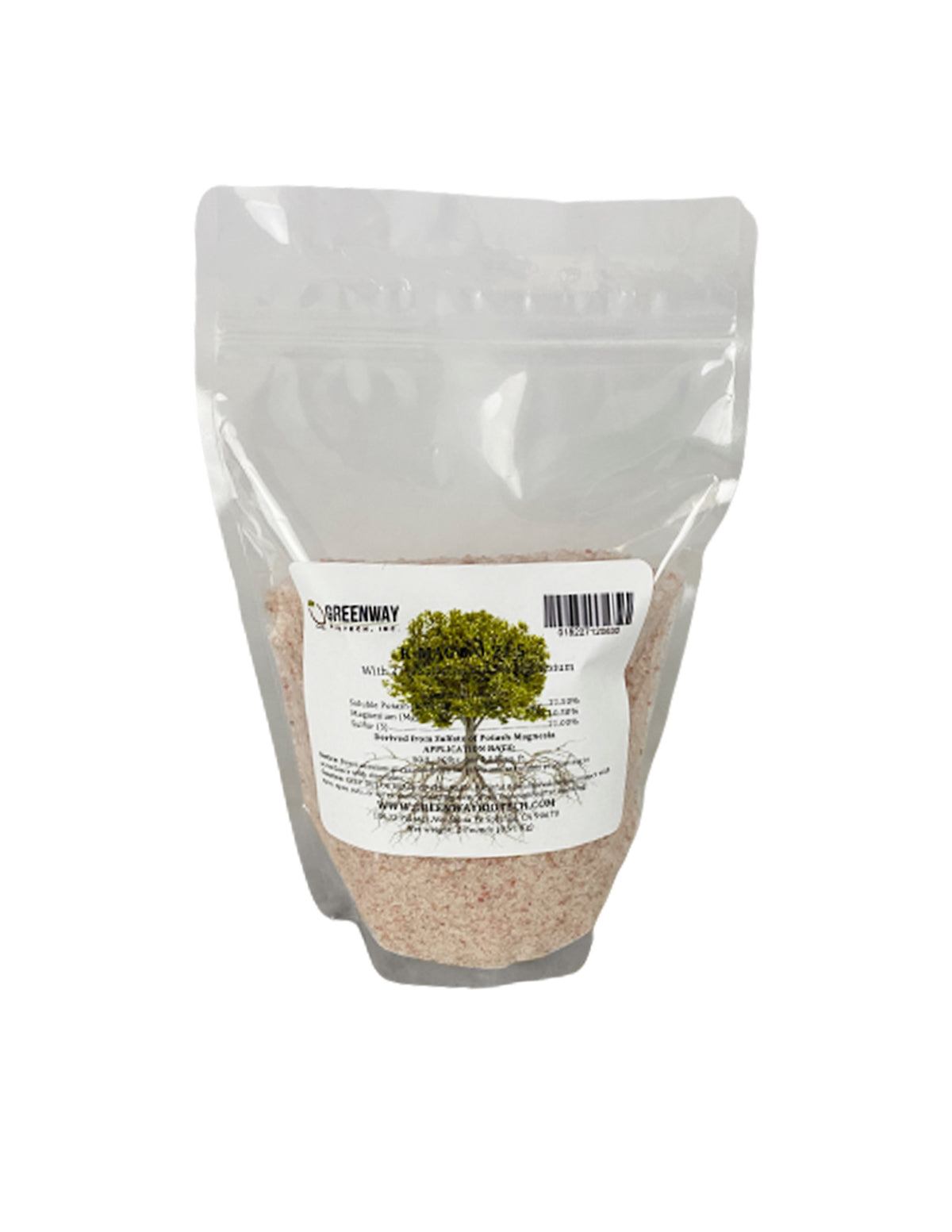
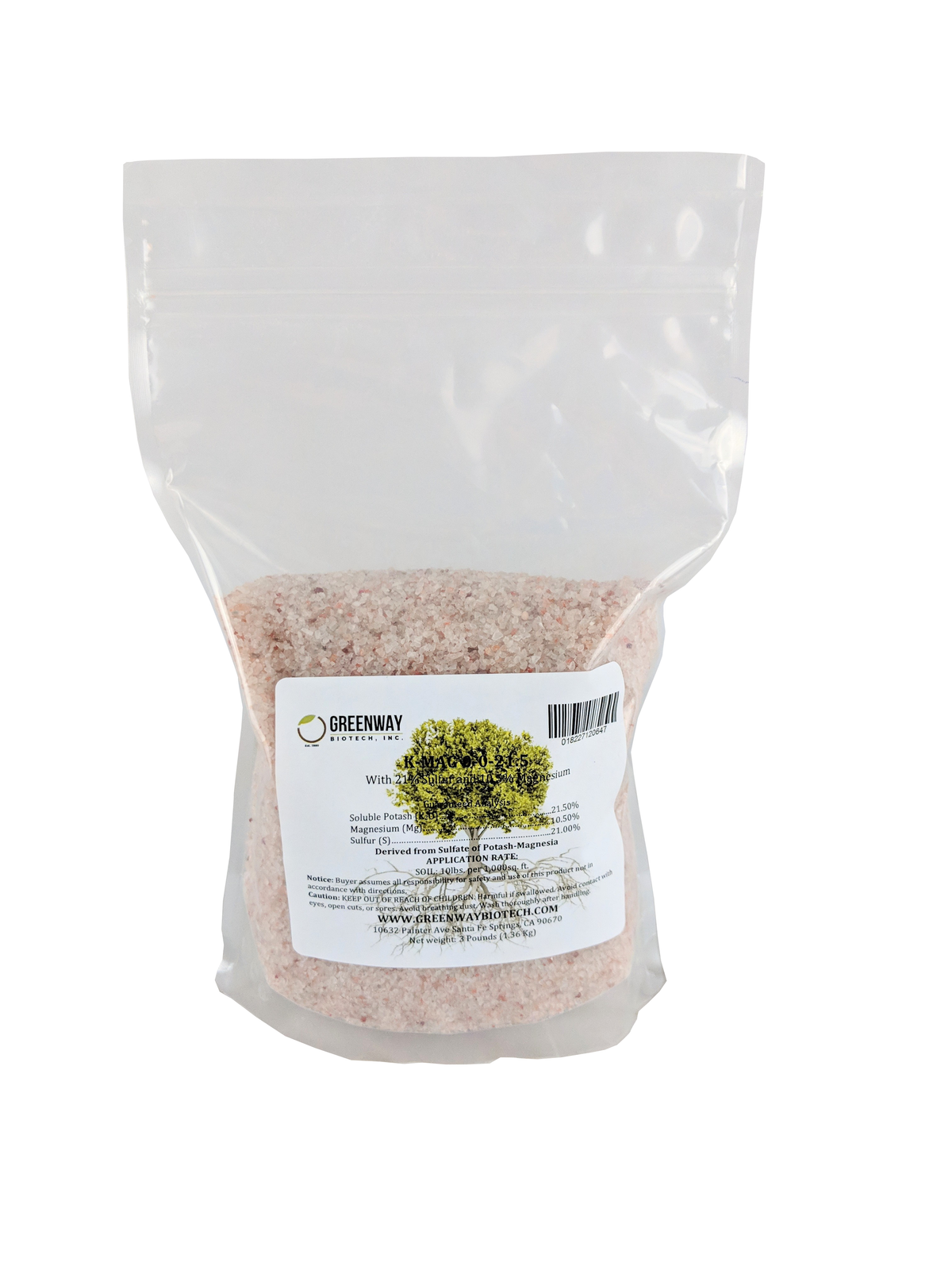
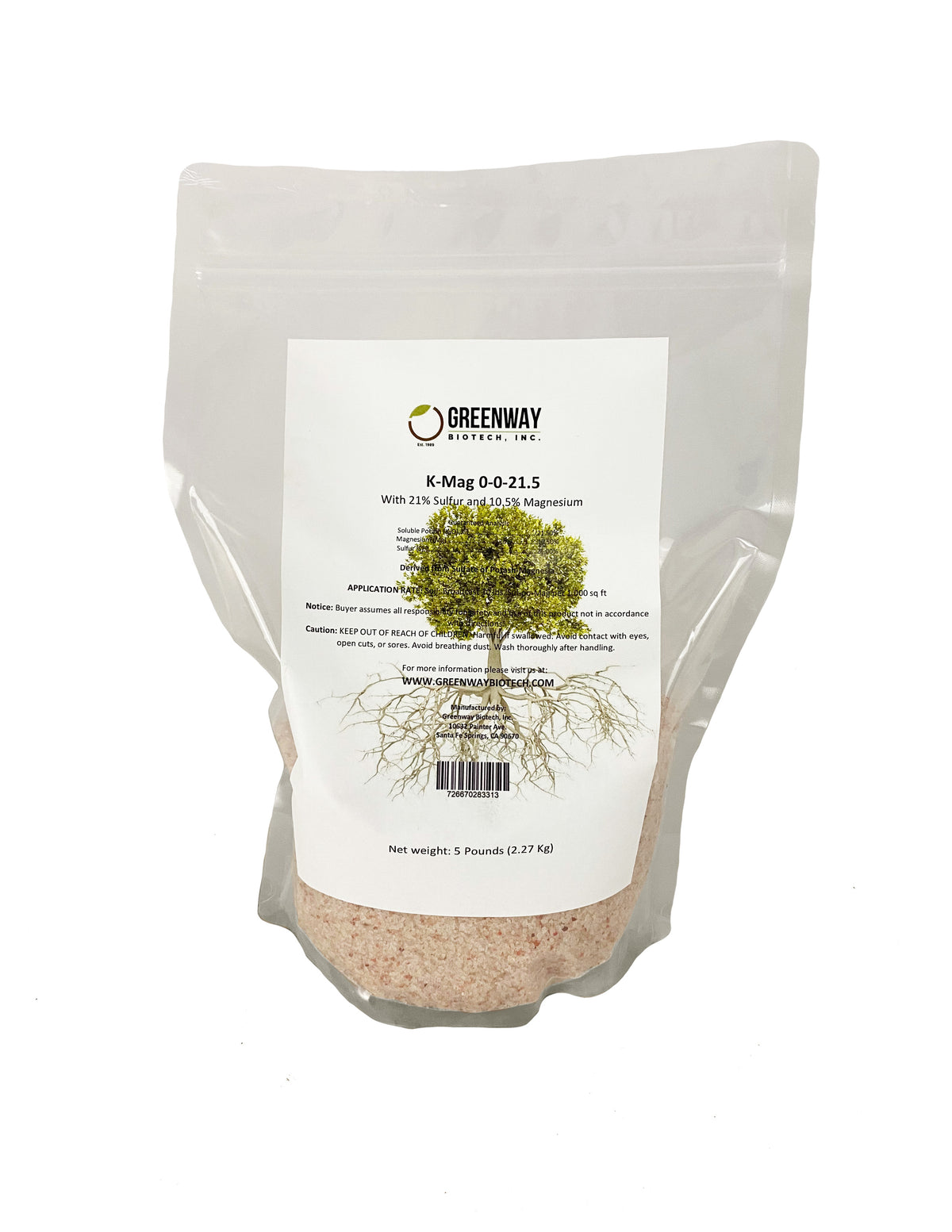
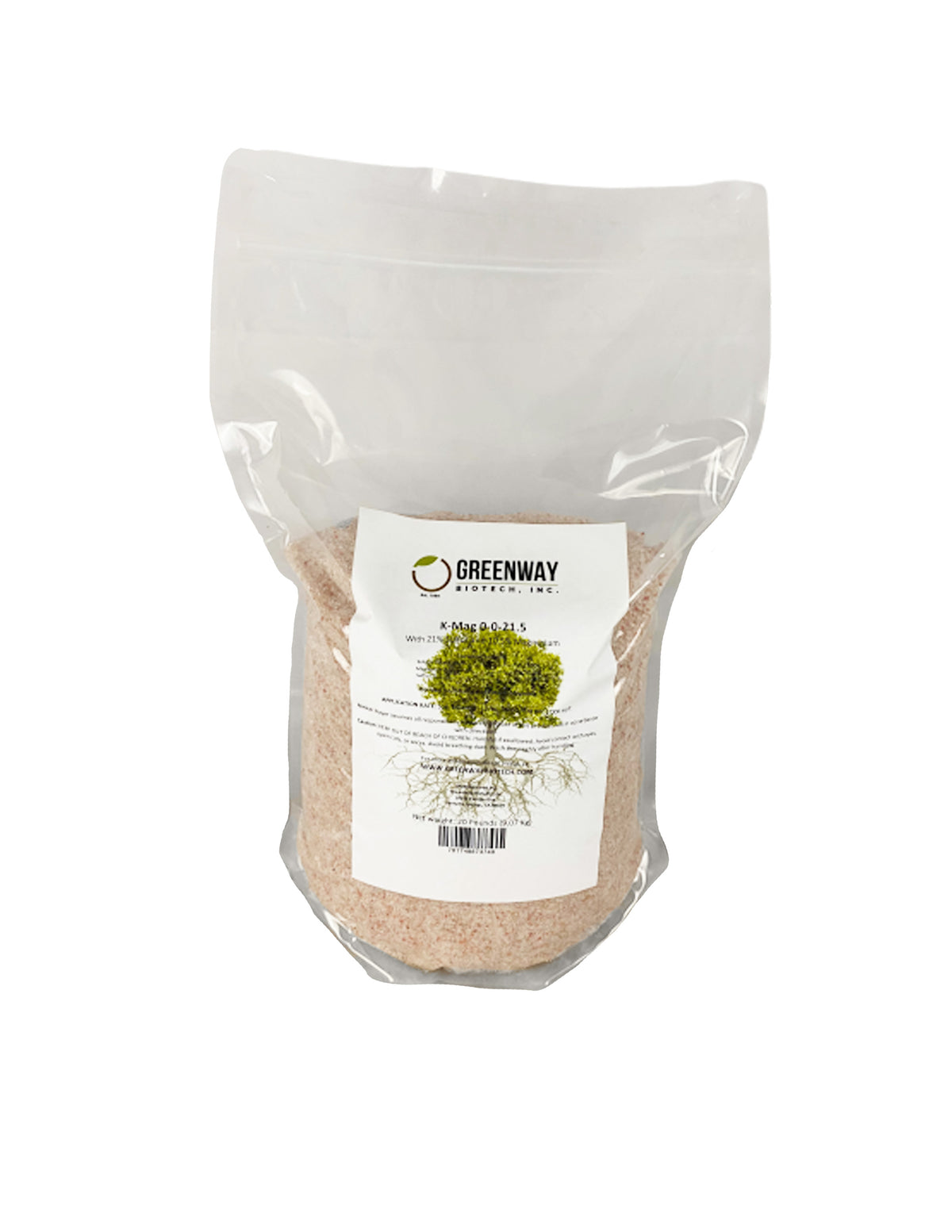
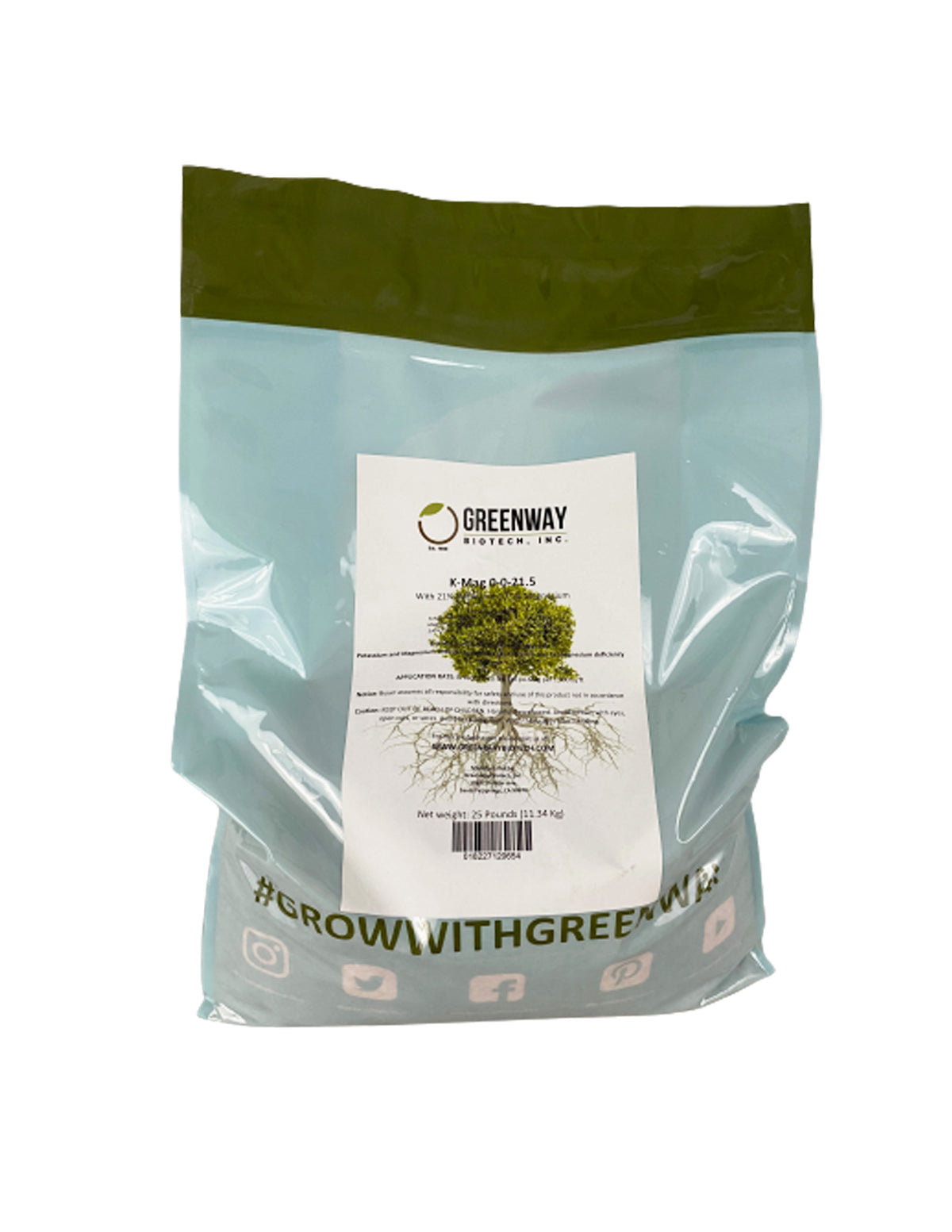
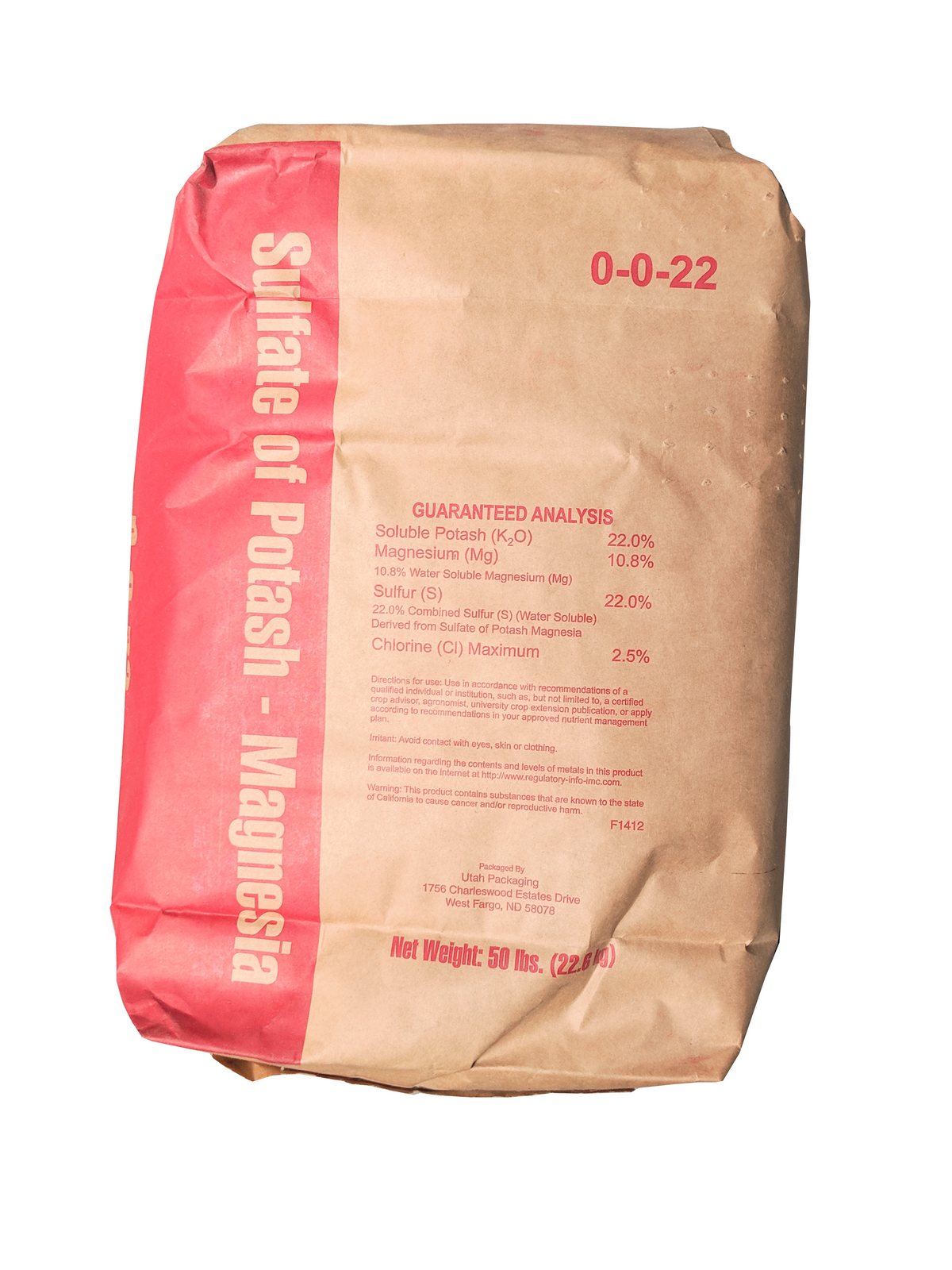
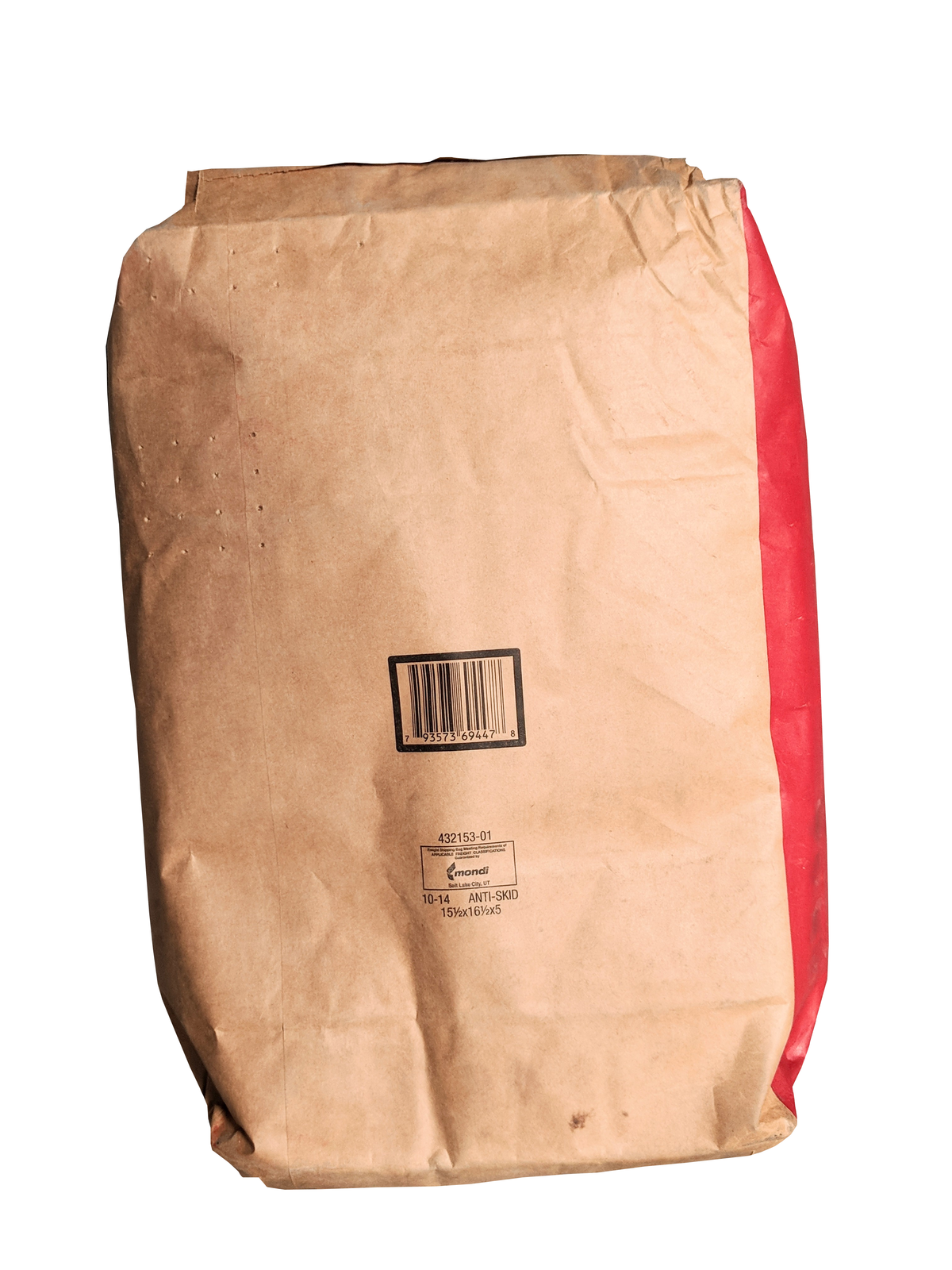
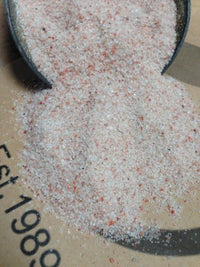
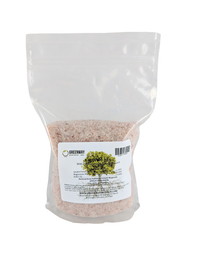
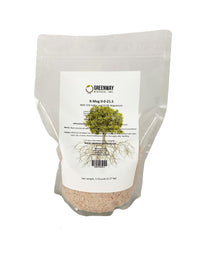
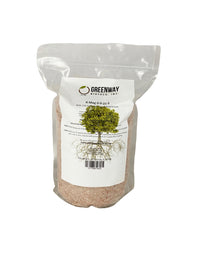
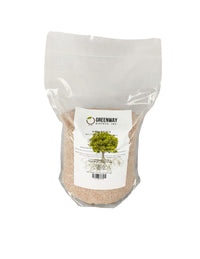
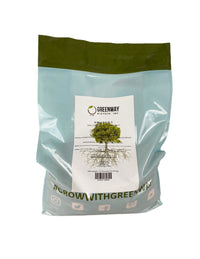
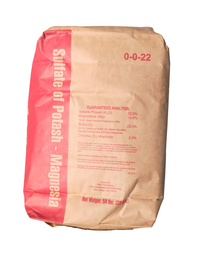
Sulfate of Potash Magnesia 0-0-22
- Regular Price
- $ 17.99
- Sale Price
- $ 17.99
- Regular Price
- $ 17.99
- Unit Price
- per
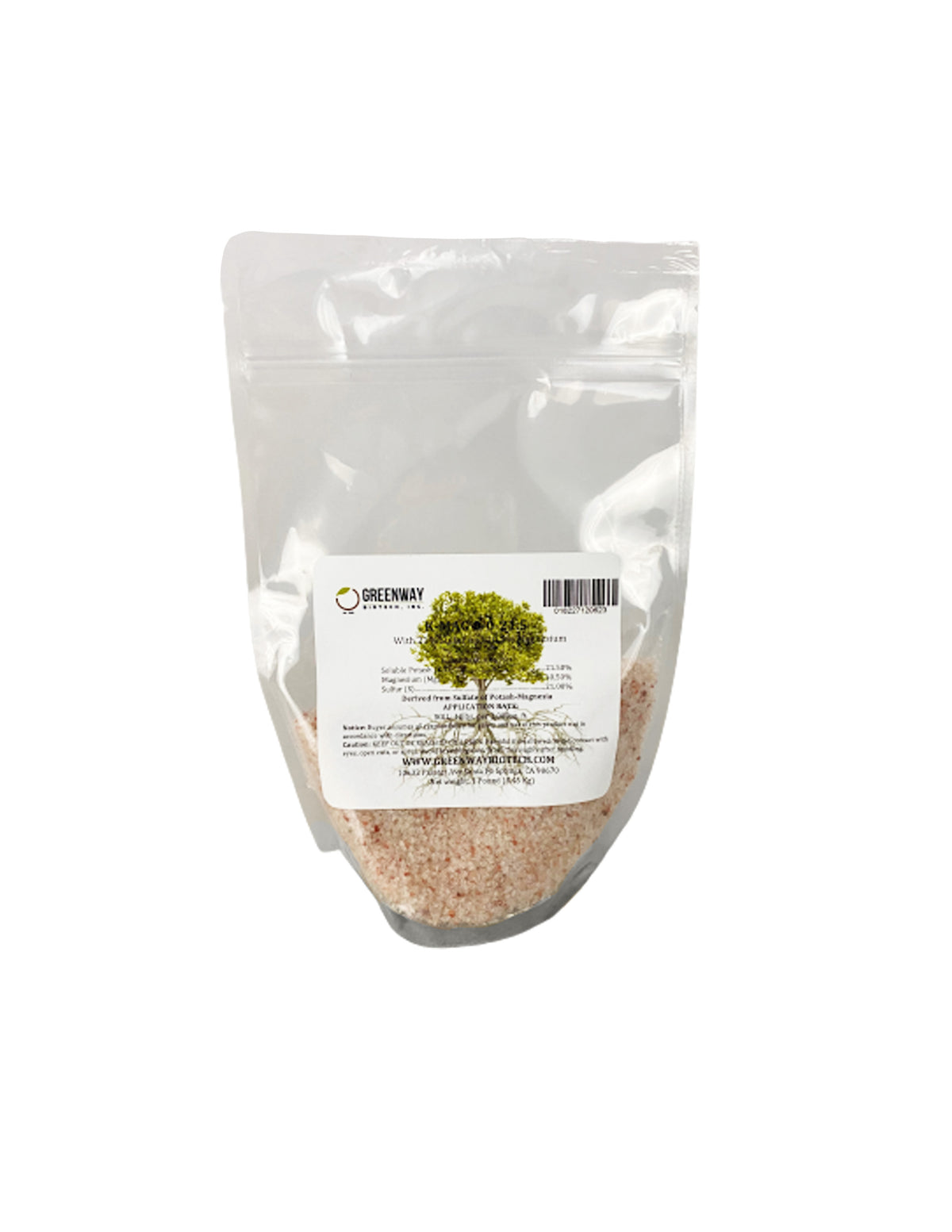
K-Mag Fertilizer 0-0-22 (Sulfate of Potash Magnesia)
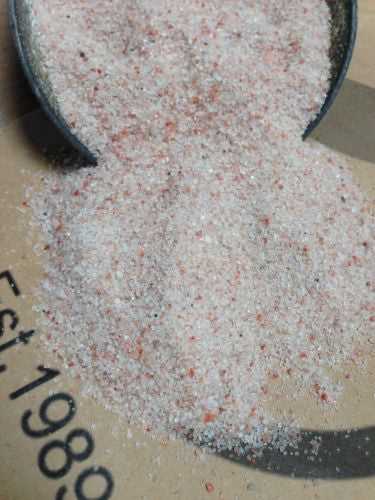
K-Mag 0-0-22 — also known as sulfate of potash magnesia, langbeinite fertilizer, or potassium magnesium sulfate — delivers 22% potassium (K₂O), 11% magnesium (Mg), and 22% sulfur (S) in a single naturally mined mineral. With no nitrogen and very low chloride content, it provides gradual, consistent nourishment that promotes stronger stems, improved root development, and improved stress tolerance and overall plant resilience, with a lower risk of chloride-related stress than higher-chloride potassium fertilizers when used as directed.
Ideal for chloride-sensitive crops and situations requiring potassium without nitrogen, K-Mag's low-chloride mineral structure provides more gradual nutrient availability than fully soluble potassium salts. The combination of potassium for water regulation and stress tolerance, magnesium for chlorophyll production, and sulfur for protein synthesis makes this low chloride potassium fertilizer an essential tool for maximizing crop quality and yield.
Ideal Applications
FEATURES
Triple Nutrient Formula
Delivers 22% potassium (K₂O), 11% magnesium (Mg), and 22% sulfur (S) in a single application — three essential nutrients working together for balanced crop nutrition.
Nitrogen-Free
Contains no nitrogen, making it well suited for late-season fertilization during fruit ripening and quality enhancement without promoting unwanted vegetative growth.
Low Chloride Content
Less than 2.5% chloride helps reduce chloride-related stress in chloride-sensitive crops — including tobacco, potatoes, tomatoes, and berries — compared with higher-chloride potassium sources like muriate of potash.
Gradual Nutrient Release
Natural langbeinite mineral is less soluble than highly water-soluble potassium fertilizers, providing more gradual nutrient availability — reducing the risk of excessive salt concentration at the root zone.
Improved Stress Tolerance
Adequate potassium helps plants maintain stronger growth under drought, cold, and disease pressure by improving water regulation and activating key defense pathways.
Chlorophyll Production
Magnesium sits at the center of every chlorophyll molecule, supporting vibrant green foliage and photosynthetic efficiency for better yields.
Protein & Enzyme Synthesis
Sulfur supports amino acid formation, enzyme activation, and plant metabolism — critical for crop flavor, aroma, and nutritional value in high-value crops.
Natural Mineral Source
A naturally mined, low-chloride mineral source with no added nitrogen. Because it is less soluble than fully water-soluble salts, nutrient release is generally more gradual.
Versatile Soil Application
Effective as pre-plant broadcast, top-dressing, or side-dressing for vegetables, fruit trees, berries, field crops, and pastures across a range of soil types.
Tested for Heavy Metals
Independently lab tested for heavy metal content and registered with the California Department of Food and Agriculture (CDFA) for quality assurance.
DERIVED FROM
K-Mag is derived from a single, naturally occurring mineral source chosen for its balanced nutrient profile and gradual nutrient availability.
Mineral Source
SCIENCE BEHIND THE FORMULA
0-0-22: A Low-Chloride Potassium, Magnesium & Sulfur Fertilizer
K-Mag's triple-nutrient profile delivers potassium without nitrogen, making it well suited for late-season applications, chloride-sensitive crops, and situations where magnesium and sulfur supplementation are also needed. As a langbeinite fertilizer, it provides nutrients in a less water-soluble mineral form — more gradual than fully soluble potassium salts.
Potassium — 22% (K₂O)
The primary nutrient in this formula. Potassium regulates water uptake and stomatal function, improves drought tolerance, enhances fruit size and quality, and supports overall plant resilience under stress.
Magnesium — 11% (Mg)
The central atom in every chlorophyll molecule. Without adequate magnesium, photosynthesis declines, phosphorus utilization drops, and interveinal chlorosis appears on older leaves first. K-Mag provides a reliable magnesium source alongside potassium.
Sulfur — 22% (S)
Essential for protein synthesis, enzyme activation, and nitrogen metabolism. Sulfur enhances crop flavor and aroma, increases vitamin content, and improves nitrogen use efficiency — critical for high-value crops where quality matters.
Why Choose a Low-Chloride Potassium Source?
Fruit Quality & Size
Potassium drives sugar translocation and water regulation in developing fruit, directly supporting size, color, flavor, and shelf life of harvested crops.
Stress Tolerance & Plant Resilience
Adequate potassium strengthens cell walls and activates defense enzymes, helping plants maintain stronger growth under fungal, bacterial, and environmental stress.
Drought & Cold Tolerance
Potassium regulates stomatal opening and osmotic balance, helping plants maintain hydration during drought and survive frost events with less cellular damage.
Tuber Quality & Storage
In potassium- or magnesium-deficient soils, K-Mag can help improve potato yield and tuber quality, including reduced internal brown spot and better storage performance.
Quick Source Comparison
| Product | Nutrients | Chloride | Best Use |
|---|---|---|---|
| K-Mag 0-0-22 | K + Mg + S | Low (<2.5%) | Soil application, chloride-sensitive crops |
| Potassium Sulfate 0-0-53 | K + S | Low | Higher K concentration, no Mg needed |
| MKP 0-52-34 | P + K | None | Fully water-soluble, fertigation & foliar |
| Epsom Salt | Mg + S | None | Magnesium correction only, no potassium |
APPLICATION RATES & DIRECTIONS
Below are recommended rates for various applications. K-Mag is intended for soil application. Final rates should be adjusted based on crop demand, soil test results, and local extension guidance.
General Application Methods
| Application Method | Rate | Coverage | Notes |
|---|---|---|---|
| Pre-Plant Broadcast | 10–20 lbs / 1,000 sq ft | 400–800 lbs / acre | Incorporate into top 4–6 inches |
| Top-Dressing | 1–2 lbs / 100 sq ft | 435–870 lbs / acre | Apply around plant base |
| Side-Dressing | 1–2 lbs / 100 linear ft | 200–400 lbs / acre | Band alongside crop rows |
Vegetable Crops
| Crop Type | Rate per 1,000 sq ft | Application Timing |
|---|---|---|
| Potatoes | 15–20 lbs | At planting + hill formation |
| Tomatoes / Peppers | 10–15 lbs | Pre-plant + first fruit set |
| Cole Crops | 8–12 lbs | 3 weeks after transplant |
| Root Vegetables | 10–15 lbs | Pre-plant incorporation |
Fruit Trees & Berries
| Crop Type | Application Rate | Method |
|---|---|---|
| Fruit Trees | 1–3 lbs / tree | Broadcast under drip line |
| Berries (Strawberries) | 8–10 lbs / 1,000 sq ft | Pre-plant + after harvest |
| Grapes | 200–300 lbs / acre | Early spring application |
| Citrus | 2–4 lbs / tree | Split spring / fall applications |
Field Crops
| Crop | Rate (lbs / acre) | Application Notes |
|---|---|---|
| Alfalfa / Hay | 200–400 | After each cutting |
| Corn | 100–200 | Pre-plant or early season |
| Soybeans | 100–150 | Pre-plant broadcast |
| Tobacco | 200–300 | Low-chloride requirement |
HOW TO USE
Pre-Plant Broadcast
- Determine application rate based on crop type and soil test results.
- Spread K-Mag evenly over the planting area at the recommended rate.
- Incorporate into the top 4–6 inches of soil using a tiller or rake.
- Water thoroughly after incorporation to begin nutrient availability.
Top-Dressing (Established Plants)
- Apply 1–2 lbs per 100 sq ft around the base of established plants.
- Keep product away from direct contact with stems and foliage.
- Lightly work into the top 1–2 inches of soil if possible.
- Water thoroughly after application to move nutrients into the root zone.
Side-Dressing (Row Crops)
- Apply 1–2 lbs per 100 linear feet in a band alongside crop rows.
- Place the band 4–6 inches from plant stems to avoid root contact.
- Cover lightly with soil to prevent runoff.
- Irrigate after application for best nutrient uptake.
Fruit Trees & Citrus
- Apply 1–4 lbs per tree depending on tree size and species.
- Broadcast evenly under the drip line (outer edge of canopy).
- For citrus, split applications between spring and fall for best results.
- Water deeply after application to carry nutrients to the root zone.
Pro Tip: Time Your Potassium Application
For fruit and vegetable crops, apply K-Mag at or just before fruit set — when potassium demand peaks. Soil-test thresholds vary by lab and soil type, but deficient or low K and Mg readings are a strong signal to consider application. Late-season use is safe because K-Mag contains no nitrogen, so you won't drive unwanted vegetative growth during ripening.
When K-Mag Is the Right Choice
- Growing chloride-sensitive crops — tobacco, potatoes, tomatoes, peppers, or berries — where higher-chloride sources like muriate of potash may cause problems
- Late-season soil fertilization when nitrogen is not desired
- Sandy or acidic soils low in both magnesium and sulfur
- When a single product needs to supply K, Mg, and S simultaneously
- Pastures where grass tetany (magnesium deficiency in livestock) is a concern
When to Consider Other Options
- Need maximum potassium concentration without magnesium → Potassium Sulfate 0-0-53
- Need fully water-soluble potassium for fertigation or foliar application → MKP 0-52-34
- Need only magnesium correction without potassium → Epsom Salt (Magnesium Sulfate)
- Need nitrogen alongside potassium → pair K-Mag with Ammonium Sulfate 21-0-0
K-MAG CALCULATOR
SAFETY & HANDLING
Personal Protective Equipment (PPE)
- Wear gloves when handling dry product to avoid skin irritation
- Use eye protection (safety glasses or goggles) during application
- Wear a dust mask when spreading dry product in windy conditions
- Wash hands thoroughly after handling
Storage Guidelines
- Store in a cool, dry place in the original sealed container
- Product may absorb moisture if exposed — keep container tightly closed
- Keep out of direct sunlight and away from heat sources
- Keep away from children and pets
Application Precautions
- Avoid direct contact with plant stems and foliage when applying to soil
- Water thoroughly after soil application to prevent root irritation
- Do not exceed recommended application rates
- Avoid blending with calcium nitrate or high-calcium fertilizers unless compatibility has been confirmed; these combinations may be incompatible in blended or solution applications
First Aid
- Eye contact: Flush with clean water for 15 minutes. Seek medical attention if irritation persists
- Skin contact: Wash affected area with soap and water
- Ingestion: Do not induce vomiting. Contact Poison Control (1-800-222-1222) or seek medical attention
- Inhalation: Move to fresh air. Seek medical attention if symptoms persist
Refer to the Safety Data Sheet (SDS) for complete safety information.
COMPLETE YOUR SYSTEM
Pair K-Mag with these complementary products for comprehensive crop nutrition.
Potassium Sulfate 0-0-53
Higher-concentration potassium source for crops needing maximum K without magnesium supplementation.
Calcium Nitrate 15.5-0-0
Water-soluble calcium and nitrogen for cell wall strength and preventing blossom end rot.
Epsom Salt (Magnesium Sulfate)
Fast-acting magnesium source for foliar feeding or quick soil correction when additional potassium isn't needed.
Bone Meal 3-15-0
Organic phosphorus and calcium for root development and flowering — complements K-Mag's potassium focus.
Ammonium Sulfate 21-0-0
Nitrogen and sulfur source for early-season growth — pair with K-Mag for complete NPK coverage.
Kelp Meal 2-0-4
Natural biostimulant compounds and trace minerals to support nutrient uptake and overall plant resilience.
FREQUENTLY ASKED QUESTIONS
What is K-Mag fertilizer and why is it unique?
K-Mag (sulfate of potash magnesia, also called langbeinite fertilizer or potassium magnesium sulfate) is a naturally mined mineral fertilizer with a guaranteed analysis of 22% potassium (K₂O), 11% magnesium (Mg), and 22% sulfur (S). Its triple-nutrient profile is unique because it delivers potassium without nitrogen — ideal during fruit development and ripening. The low chloride content (less than 2.5%) makes it a preferred low chloride potassium fertilizer for chloride-sensitive crops like tobacco, potatoes, tomatoes, and berries, where higher-chloride sources like muriate of potash may cause chloride-related stress.
When should I use K-Mag instead of other potassium fertilizers?
Choose K-Mag when growing chloride-sensitive crops (tobacco, potatoes, tomatoes, peppers, berries), when magnesium is also needed, for late-season soil fertilization when nitrogen isn't desired, or on sandy and acidic soils low in both magnesium and sulfur. K-Mag also helps prevent grass tetany in pastures where magnesium is crucial for livestock health. For a deeper look at how potassium benefits your crops, see our guide on What's the Function of Potassium (K) in Plants?
How does K-Mag support crop quality?
K-Mag works through three complementary nutrient pathways. Potassium (22% K₂O) regulates water uptake, supports drought tolerance, and enhances fruit size and overall plant resilience under stress. Magnesium (11% Mg) is the central component of chlorophyll and supports phosphorus utilization — deficiency shows first as interveinal chlorosis on older leaves. Sulfur (22% S) is required for protein synthesis, enhances nitrogen efficiency, and improves crop flavor and aroma. In potassium- or magnesium-deficient soils, correcting these nutrients with K-Mag can help improve yield and tuber quality, including reduced internal brown spot in potatoes.
What are the signs my crops need K-Mag?
Potassium deficiency appears as yellowing or browning of leaf edges (marginal chlorosis), weak stems, poor fruit quality, and increased susceptibility to stress. Magnesium deficiency shows as interveinal chlorosis on older leaves first, with reduced photosynthesis and poor fruit set. Sulfur deficiency causes uniform yellowing of young leaves (unlike nitrogen deficiency which affects older leaves first), stunted growth, and delayed maturity. Soil-test thresholds vary by lab and soil type, but deficient or low K and Mg levels are a strong signal to consider K-Mag application. For more on magnesium deficiency, read What's the Function of Magnesium (Mg) in Plants?
Can K-Mag be mixed with other fertilizers?
K-Mag is compatible with most dry fertilizers including urea, ammonium sulfate, DAP, MAP, and most micronutrients. Avoid blending with calcium nitrate or high-calcium fertilizers unless compatibility has been confirmed; these combinations may be incompatible in blended or solution applications. K-Mag is primarily intended for soil application. For fully water-soluble potassium needs — such as fertigation or foliar feeding — consider MKP 0-52-34 or Potassium Sulfate 0-0-53 instead.
How does potassium interact with manganese for better nutrient uptake?
Manganese activates enzymes involved in carbohydrate metabolism and root health, which supports efficient potassium uptake. When manganese levels are adequate, plants develop root systems better equipped to absorb potassium from the soil. This relationship is especially important in high-carb crops like potatoes and corn. For a detailed look at this nutrient interaction, see Why High-Carb Crops Demand Plenty of Potassium (and How Manganese Can Help).
Is K-Mag allowed in organic production?
Langbeinite is a naturally mined mineral input that may be allowed in organic production depending on certification rules. Always verify with your certifying body (such as OMRI or your local organic certification program) before use, as requirements can vary by program and region.
GROW WITH CONFIDENCE
Quality, transparency, and results you can trust.
Quality & Purity Standards
- Sourced from premium-grade natural langbeinite mineral deposits
- Independently tested by third-party laboratories for purity and nutrient content
- Independently lab tested for heavy metal content
- Registered with the California Department of Food and Agriculture (CDFA)
- Packaged in our facility in Madera, California
Hassle-Free Returns
If you're not completely satisfied, we offer a 90-day money-back guarantee. Simply return the unused portion in its original packaging, and we'll process a full refund. No questions asked.
Environmental Responsibility
- Recyclable packaging materials
- Natural mineral source with low chloride and no added nitrogen
- Less soluble than fully water-soluble salts — nutrient release is generally more gradual, which may help reduce rapid nutrient movement compared with highly soluble alternatives
Charitable Contributions
1% of all profits go to our foundation, focused on improving educational opportunities for children in agricultural communities.
About Greenway Biotech, Inc.
Family-owned since 1989. Making gardens — and their humans — healthier for over 35 years.
DOCUMENTS
DISCOVER MORE
- What's the Function of Potassium (K) in Plants? — Learn why potassium is called "the quality nutrient"
- What's the Function of Magnesium (Mg) in Plants? — Understand magnesium's role in chlorophyll and photosynthesis
- What is the Function of Sulfur (S) in Plants? — Discover how sulfur supports protein synthesis and crop quality
- What is the Best Potassium Fertilizer? — Compare potassium sources for your specific crops
- Why High-Carb Crops Demand Plenty of Potassium — The manganese-potassium connection explained
- Sulfur Powder in Organic Gardening — A complete guide to sulfur for soil health and plant protection
HAVE QUESTIONS?
Check out our full FAQ page or contact our experts for personalized advice.