Organic Manganese Sulfate Fertilizer
- Regular Price
- $ 19.99
- Sale Price
- $ 19.99
- Regular Price
- $ 19.99
Sold Out
- Unit Price
- per
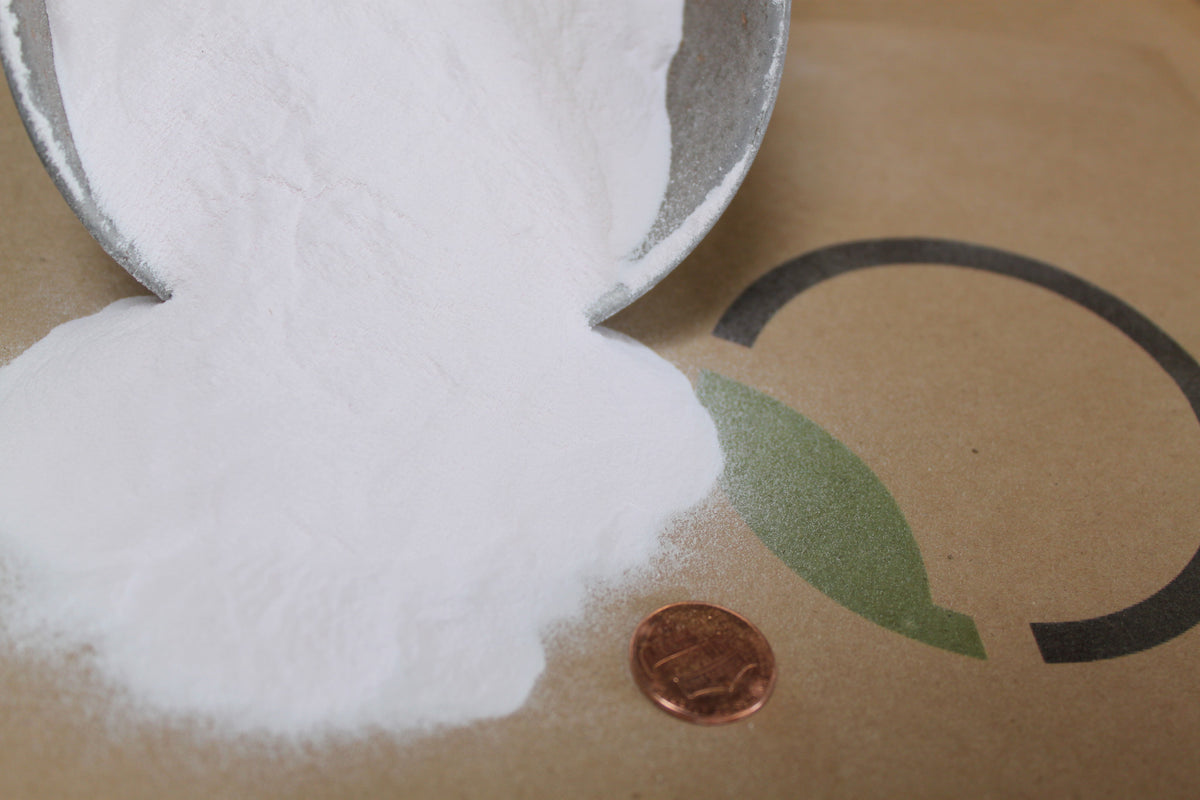
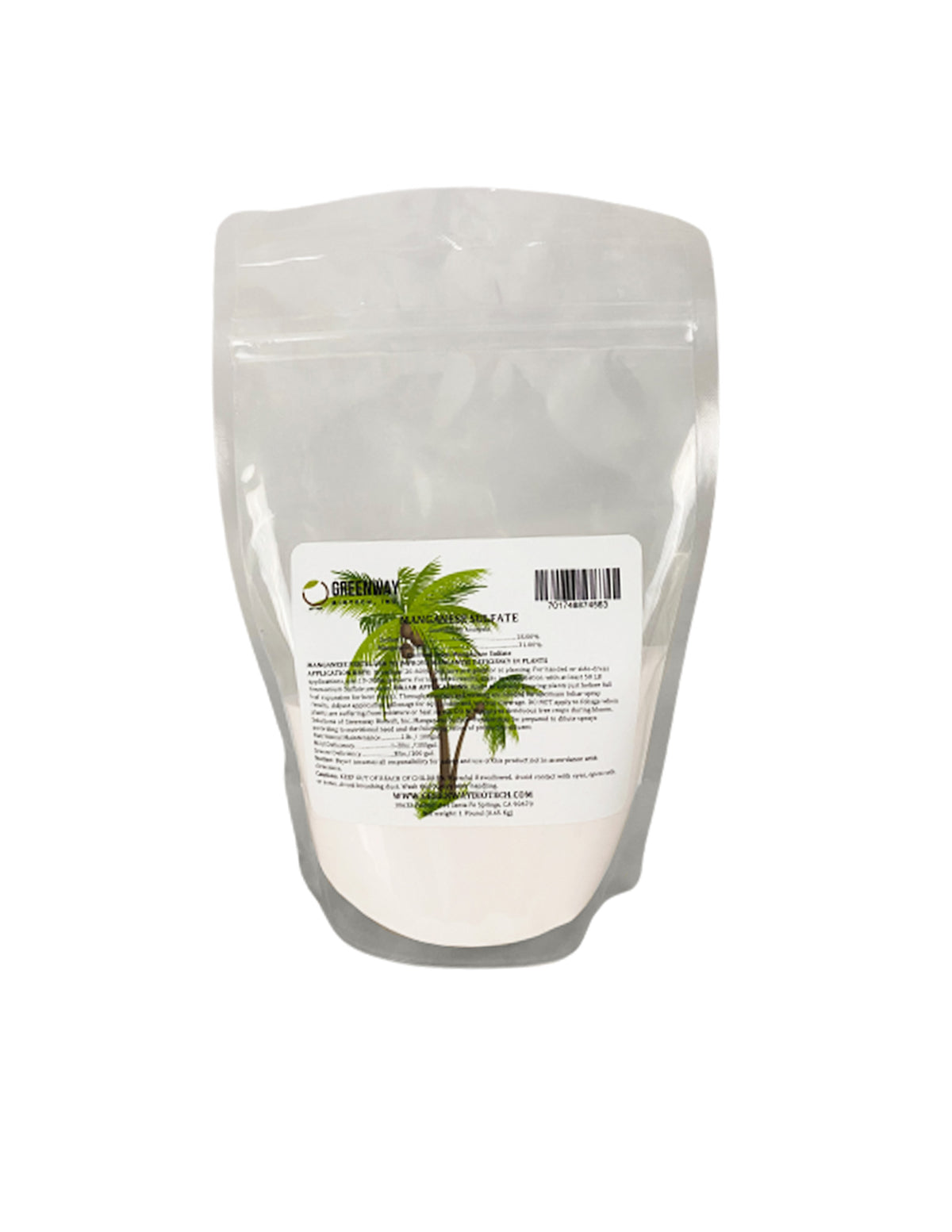
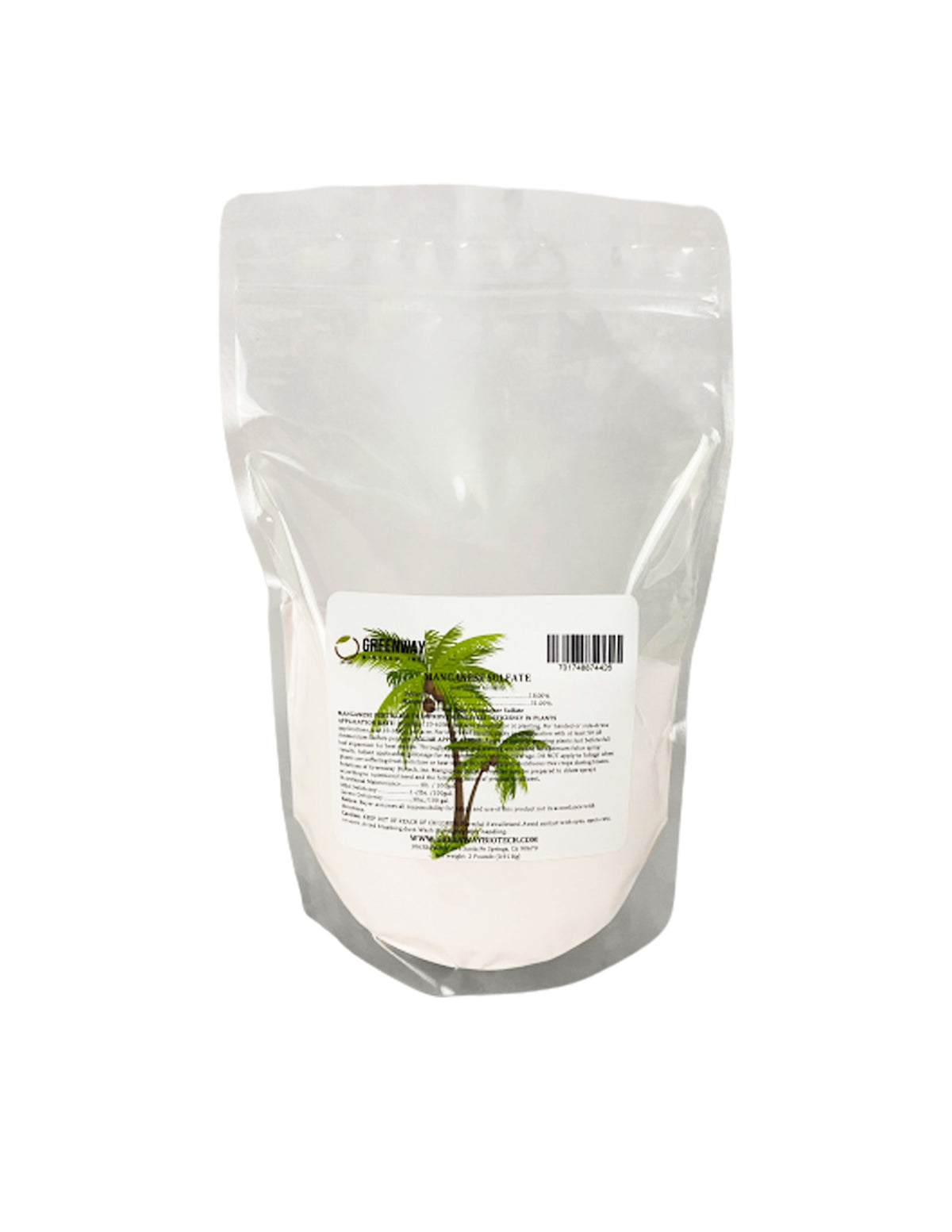
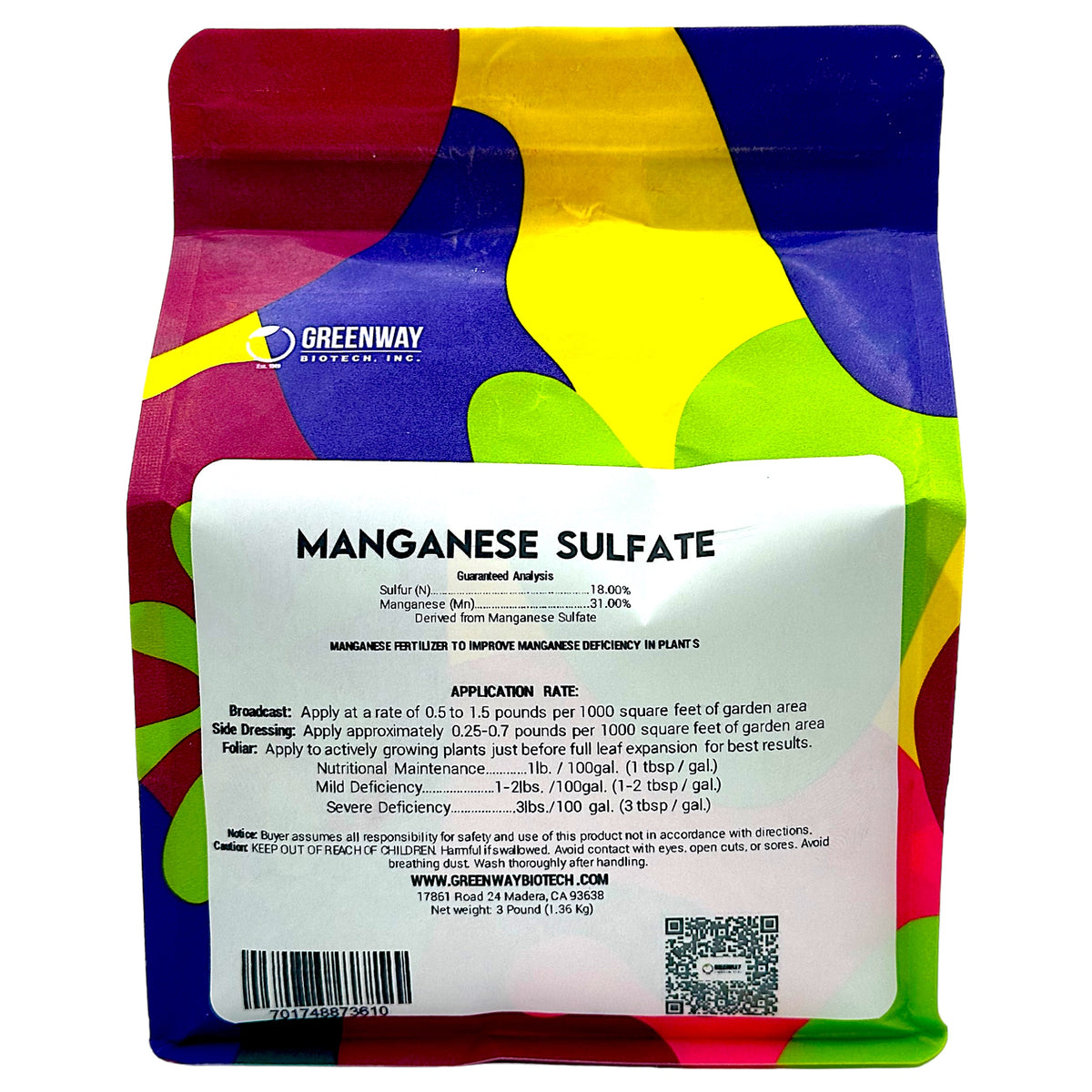
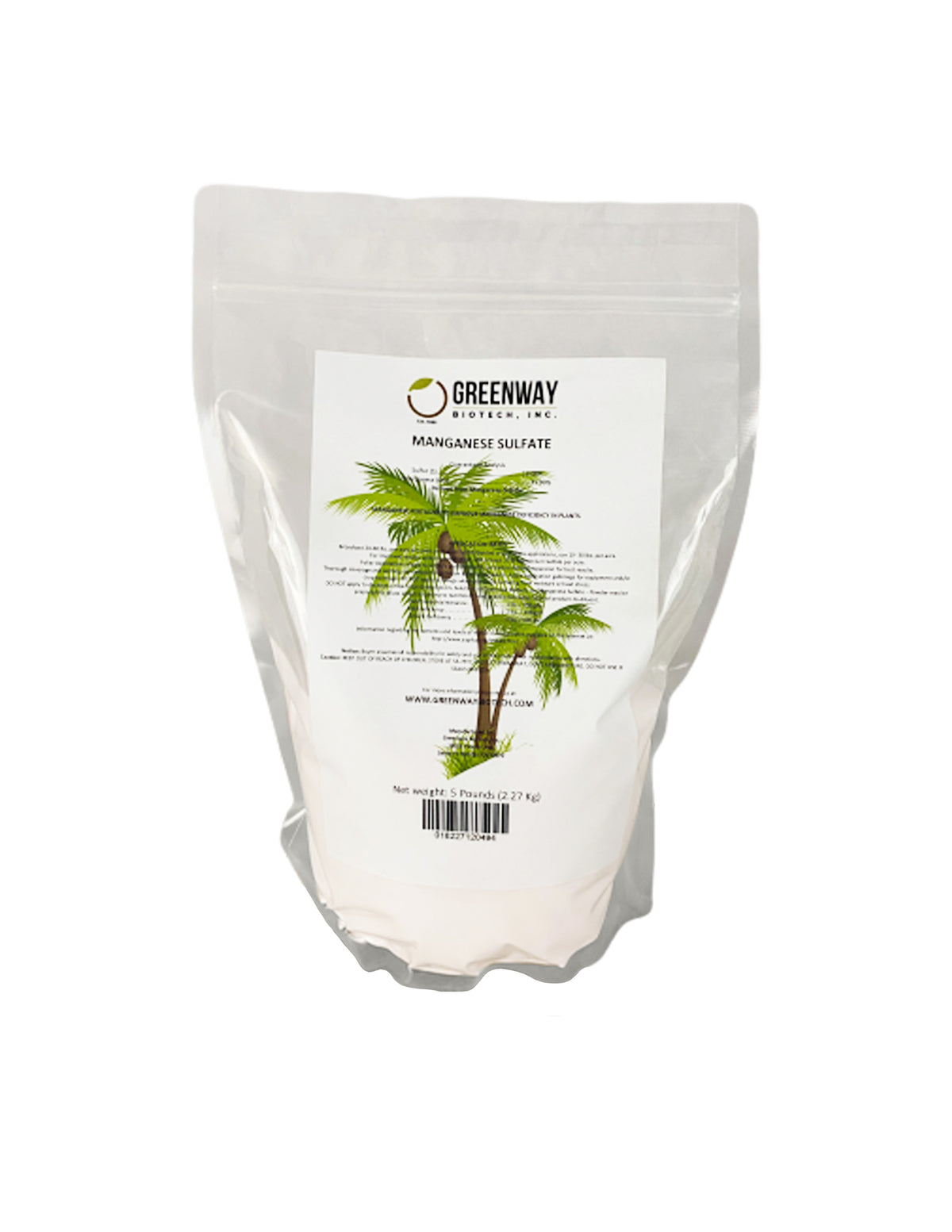
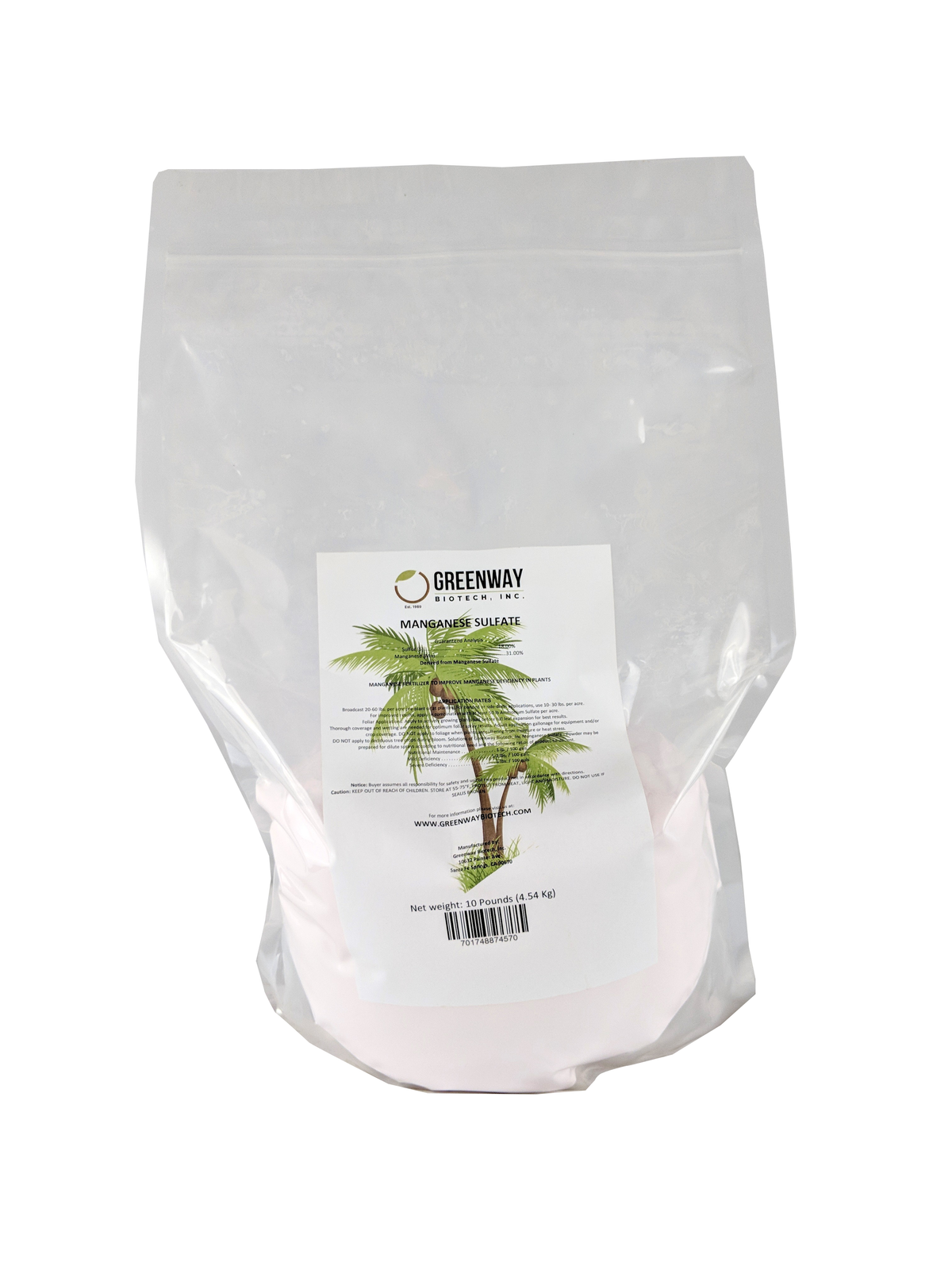
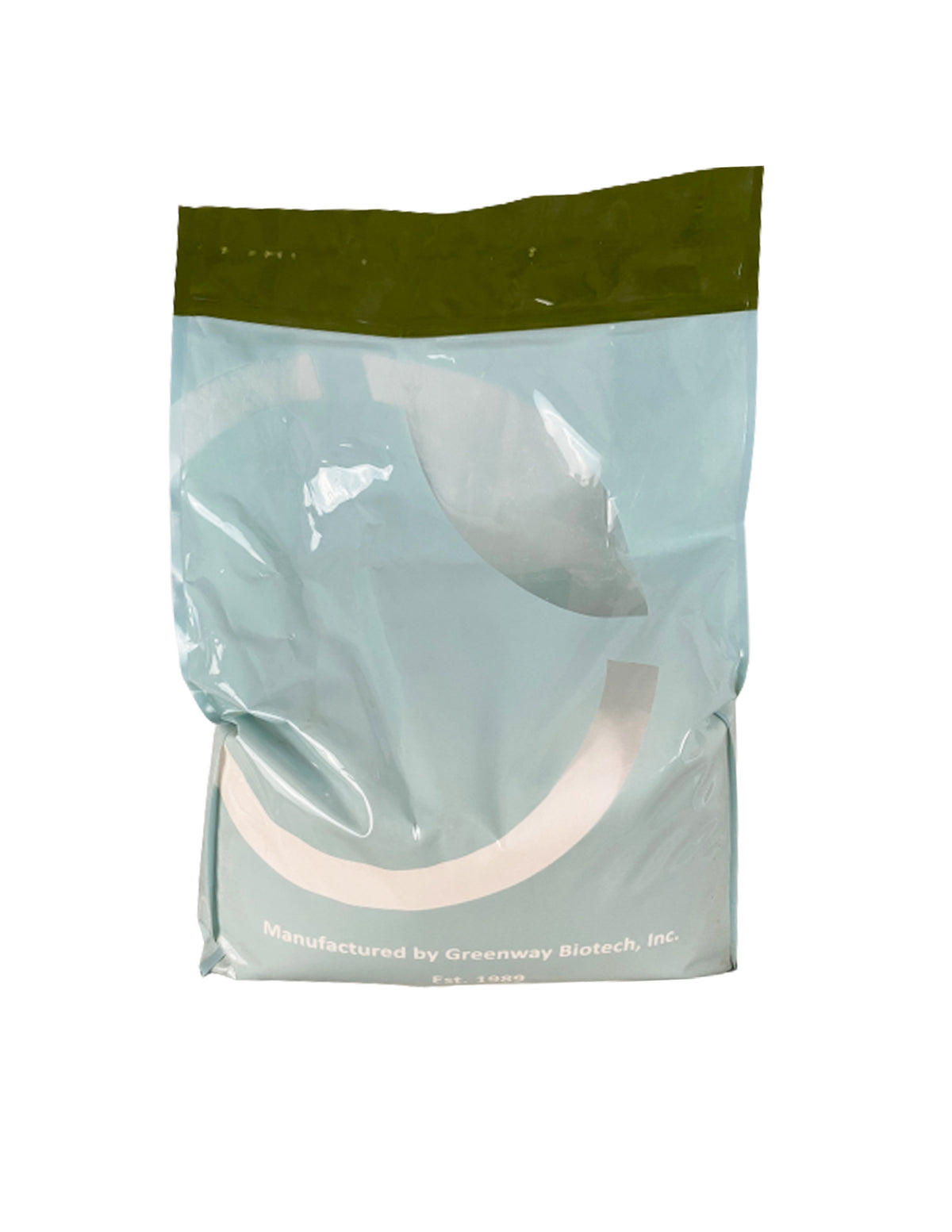
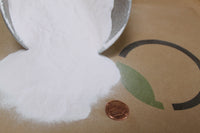
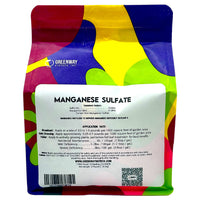
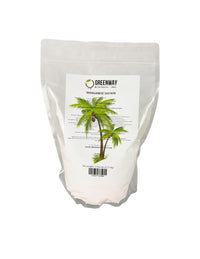
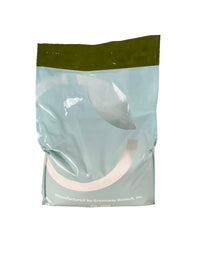
High-purity manganese sulfate monohydrate (MnSO₄·H₂O) for preventing and correcting manganese deficiency in palms, citrus, field crops, vegetables, turf, and hydroponic systems. CDFA registered, third-party lab tested, and trusted by growers across high-pH and sandy soils where Mn availability is reduced.
Find your size → Calculate how much I need31%
Elemental manganese — the highest-concentration soluble Mn source
18%
Sulfur — supports amino acid synthesis and rhizosphere acidification
99%
Pure monohydrate powder — fully water-soluble for fertigation and foliar
30+enzymes
Plant enzymes that depend on manganese for activation
Coverage estimates are planning references at typical maintenance rates. Confirm with a current soil or tissue test for site-specific recommendations.
| Bag Size | Foliar Coverage | Palm Trees (medium, 4 apps/yr) | Best For |
|---|---|---|---|
| 1 lb | ~100 gal spray | 1 medium palm / year | Small gardens, single-palm owners |
| 2 lb | ~200 gal spray | 2 medium palms / year | Backyard fruit trees, hydroponic setups |
| 5 lb | ~500 gal spray | 5 medium palms / year | Most popular — multi-palm landscapes, raised-bed gardens |
| 10 lb | ~1,000 gal spray | 10 medium palms / year | Small orchards, large home gardens |
| 25 lb | ~2,500 gal spray | 25+ medium palms / year | Landscape contractors, citrus blocks |
| 50 lb | ~5,000 gal spray | 50+ medium palms / year | Best value — commercial groves, palm nurseries, broadcast acreage |
Manganese sulfate dissolves cleanly for any application method — soil, foliar, palms, hydroponic reservoirs — across acidic and moderately alkaline conditions.
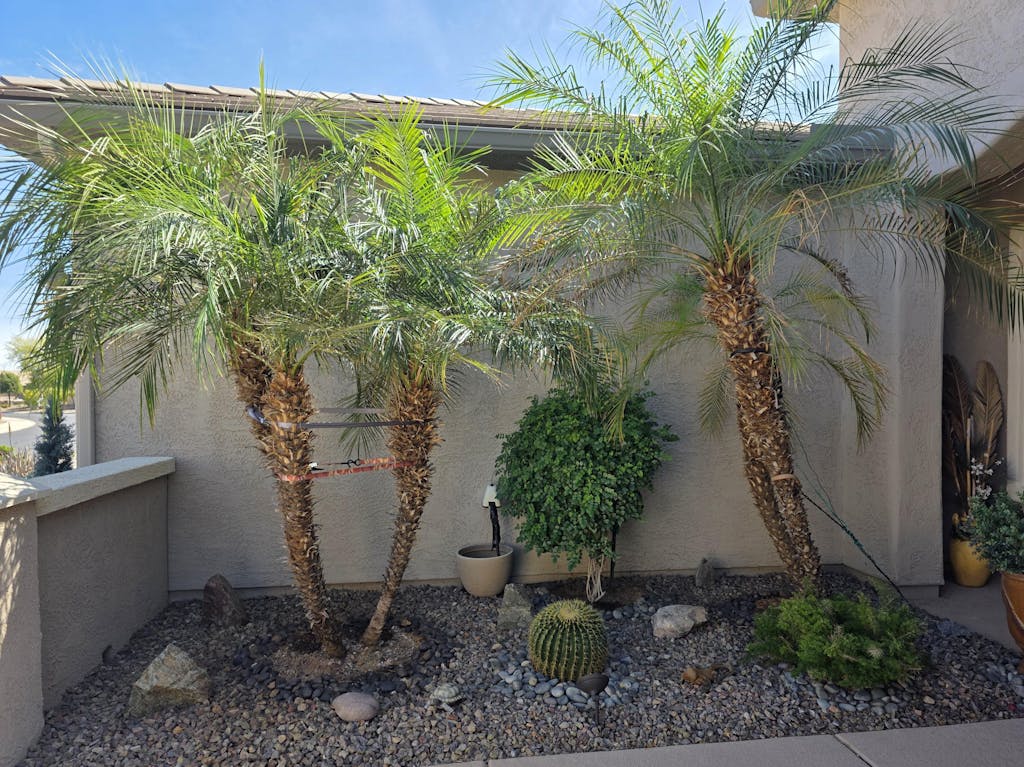
The standard correction for frizzle top in Queen, Royal, Pygmy Date, Paurotis, and Coconut palms. Apply 2–16 oz per tree every 3 months under the canopy drip line.
UF/IFAS guidance supports 7–10 lb Mn/acre soil-applied on acidic soils and 3–5 lb Mn/acre foliar on calcareous or heavily limed soils — typically split across two or three flush sprays per year.
NC State and Wisconsin extension rates run ≈10–16 lb of 31% product per acre soil-banded, ≈2.5–3.2 lb/ac foliar. Most responsive: lettuce, spinach, onion, beans, raspberries, and blueberries with tissue Mn below 50 ppm.
Target 0.5–2 ppm Mn in the completed nutrient solution. Fully soluble at typical reservoir pH — use the stock solution method on reservoirs of 50 gallons or more.
For Fe-induced Mn deficiency and take-all suppression programs. NDSU foliar rate is roughly 1.3 oz of 31% product per 1,000 sq ft; PACE Turf soil-building rate is 100–200 lb/acre, watered in.
The primary use case. In alkaline soils above pH 7.0 or sandy soils with low organic matter, Mn availability drops sharply. Banding with 50+ lb/acre Ammonium Sulfate improves uptake.
Manganese sulfate is the form most agronomic research is based on — and the form most plants respond to fastest in acid-to-neutral soils.
Monohydrate (MnSO₄·H₂O) crystals deliver 31% elemental manganese — every pound of product delivers 0.31 lb of actual Mn, more than any commercial chelate. That makes it the most cost-effective source per pound of Mn delivered when soil pH is below 7.0.
Manganese is a cofactor for more than 30 plant enzymes involved in nitrogen metabolism, carbohydrate transport, chlorophyll function, and lignin biosynthesis — research suggests adequate Mn nutrition can support root health and potassium uptake in high-carb crops like potatoes and tomatoes. See Why High-Carb Crops Demand Potassium (& Manganese).
Manganese is the metal at the center of the oxygen-evolving complex in photosystem II — the water-splitting step that releases oxygen and supplies electrons for the rest of photosynthesis. Without enough Mn, this reaction stalls and new leaves emerge chlorotic.
The sulfate fraction supplies sulfur for cysteine and methionine synthesis, and can support local acidifying effects in the rhizosphere over time — which may help improve manganese availability in alkaline soils when applied together with ammonium-based nitrogen.
Dissolves completely in drip systems, fertigation lines, hydroponic reservoirs, and foliar tanks. One product, every method — no separate hydroponic or foliar grade needed.
Registered with the California Department of Food and Agriculture. Independently tested for heavy metals by third-party laboratories, with results consistently well below required limits. Packaged at our family-owned facility in Madera.
MnSO₄· H₂O
Manganese sulfate monohydrate — molecular weight 169 g/mol, 31% Mn by weight
Manganese is an immobile micronutrient — once incorporated into older leaves, plants cannot retranslocate it to new growth. That is why Mn deficiency always shows up on the youngest leaves first, with characteristic interveinal chlorosis (yellowing between green veins) on new flush. By the time symptoms reach mature leaves, the deficiency is severe.
The chemistry of Mn availability is dominated by soil pH. Below about pH 6.5, manganese exists primarily as the divalent Mn²⁺ ion, which is water-soluble and freely absorbed by roots. Above pH 7.0, Mn²⁺ rapidly oxidizes to MnO₂ (manganese dioxide) — an insoluble, plant-unavailable form. This is why deficiency is common in high-pH, calcareous, or over-limed soils even when total soil Mn is adequate.
Manganese sulfate releases Mn²⁺ directly into the soil solution. In acidic to neutral soils it is the most cost-effective Mn source per pound of metal delivered. In alkaline soils, banding the product with an ammonium-based nitrogen fertilizer (such as ammonium sulfate) creates acidic microsites around the roots that can significantly slow oxidation and preserve plant availability for several weeks. Above pH 7.5, an EDTA-chelated form generally outperforms the sulfate.
For a deeper look at when to choose sulfate vs. chelated micronutrient forms, see Sulfate vs. Chelated Fertilizers.
University extension rates expressed as 31% Mn product. All rates are starting points — confirm with a current soil or tissue test and your local cooperative extension service for site-specific recommendations.
Quick answer: Apply 2–16 oz per palm under the canopy drip line every 3 months for maintenance; visible response may take 3–6 months.
| Palm Size | Rate per Tree | Frequency |
|---|---|---|
| Small / Young (or on acidic sand) | 2–4 oz (½–1 lb max) | Every 3 months |
| Medium | 4–8 oz (1–3 lbs max) | Every 3 months |
| Large / Mature (on limestone) | 8 oz–8 lbs depending on size | Every 3 months |
| Severely Deficient | Double rates | Monthly until recovery; consult a certified arborist for severely affected specimens |
Most susceptible species: Queen, Royal, Pygmy Date, Paurotis, and Coconut palms. Apply evenly to the soil under the canopy drip line — never pile product against the trunk. Water in thoroughly. New growth response may take 3–6 months to appear.
Source: University of Florida IFAS Extension (Broschat).
Quick answer: Soil-band 3–5 lb actual Mn per acre (≈10–16 lb of 31% product); foliar 0.75–2 lb actual Mn per acre (≈2.5–6.5 lb of 31% product) for sensitive crops.
📋 Field & Acreage Rates: The per-acre figures below are general references for medium-testing soils where soil Mn tests below ~10 ppm. Actual rates should be based on a current soil test and crop tissue test. Consult your local extension service for site-specific recommendations.
| Crop Group | Soil-Banded (lb 31% product/ac) | Foliar (lb 31% product/ac) |
|---|---|---|
| High Mn need: soybean, dry/snap/lima beans, oats, wheat, lettuce, spinach, onion, radish, raspberry, sorghum-sudan | ~16 lb/ac (5 lb actual Mn) | ~3.2 lb/ac (1 lb actual Mn) |
| Medium Mn need: barley, beet, broccoli, brussels sprouts, cabbage, canola, carrot, cauliflower, celery, corn, cucumber, pea, potato, tomato, triticale | ~10 lb/ac (3 lb actual Mn) | ~2.4 lb/ac (0.75 lb actual Mn) |
| Wheat — soil application at pH 6.5–7.0 | 13–20 lb/ac (4–6 lb actual Mn) | 1.6–3.2 lb/ac (0.5–1 lb actual Mn) |
| Wheat — soil application at pH > 7.0 | 22–32 lb/ac (7–10 lb actual Mn) | 1.6–3.2 lb/ac (0.5–1 lb actual Mn) |
| Soybean — at first symptoms | — | 3.2–6.5 lb/ac foliar (1–2 lb actual Mn); repeat in 10 days if needed |
Important compatibility note: Do not tank-mix manganese sulfate with glyphosate — apply at least 3 days apart. If a tank mix is unavoidable, switch to a chelated form at a lower rate and include ammonium sulfate to reduce antagonism.
Sources: University of Wisconsin (Schulte & Kelling, A2526), Michigan State University Extension (Staton, Warncke), Cornell NMSP Fact Sheet 49.
Quick answer: ~16 lb of 31% product per acre per year (5 lb actual Mn), split across 2–3 flush sprays in spring, summer, and fall.
| Application | Rate (31% product) | Notes |
|---|---|---|
| Soil — acidic soils | 22–32 lb/ac (7–10 lb actual Mn) | Banded; only recommended on acidic soils |
| Foliar — calcareous/heavily limed | 10–16 lb/ac (3–5 lb actual Mn) | Apply to two-thirds to fully expanded spring or summer flush leaves |
| Annual program (HLB-era research) | ~16 lb/ac/yr (5 lb actual Mn) | Split across 2–3 flush sprays (March, May, September) |
Foliar safety check: Foliar rates should be well below soil rates — typically 1–4 g/gallon (or 2–6 g/liter) depending on crop sensitivity. Always test on a small area first, spray in early morning or late afternoon, and avoid spraying in temperatures above 85°F.
Quick answer: For blueberries with tissue Mn below 50 ppm, apply ≈3–6 lb of 31% product per acre as a foliar spray, twice during the growing season. Raspberries follow the high-Mn-need rate: ≈3.2 lb/ac foliar, ≈16 lb/ac soil-banded.
📋 Tissue Test First: Blueberry Mn status is best confirmed by tissue testing — university recommendations key off leaf-tissue Mn levels, not soil Mn. Blueberries are acid-loving (target pH 4.5–5.5), and Mn deficiency is uncommon in properly acidified blueberry plantings. Berry-crop rates below are general references; confirm with a current tissue test before applying.
| Crop & Diagnosis | Rate (31% product) | Frequency / Notes |
|---|---|---|
| Blueberry — tissue Mn < 50 ppm (foliar) | ≈3.2–6.5 lb/ac (1–2 lb actual Mn) | Twice during the growing season; sulfate-equivalent of the University of Delaware chelate recommendation |
| Raspberry — soil-banded | ≈16 lb/ac (5 lb actual Mn) | High-Mn-need crop per Wisconsin A2526; band with ammonium sulfate in alkaline soils |
| Raspberry — foliar | ≈3.2 lb/ac (1 lb actual Mn) | Apply before full leaf expansion; mix at 1–2 lb per 100 gal |
| Strawberry — foliar maintenance | 1–2 lb per 100 gal | Apply during active vegetative growth; sensitive to over-application — start at lower rate |
| Grape — foliar (where Mn deficient) | 1–2 lb per 100 gal | Apply at bloom and post-bloom; confirm via tissue test, since Mn deficiency is uncommon in vineyards |
| Blueberry — soil correction in low-Mn plantings | Generally not recommended | Blueberries thrive at pH 4.5–5.5 where soil Mn is naturally available; correct soil acidity before adding Mn |
Foliar safety check: Foliar rates should be well below soil rates — typically 1–4 g/gallon (or 2–6 g/liter) depending on crop sensitivity. Berry crops are moderately sensitive; start at the lower end of the range and test on a small block first. Spray in early morning or late afternoon and avoid temperatures above 85°F.
Sources: University of Delaware Weekly Crop Update (blueberry tissue testing); University of Wisconsin A2526 (raspberry classified as a high-Mn-need crop).
Quick answer: For sensitive vegetables, apply ≈2.5–3.2 lb of 31% product per acre as a foliar spray (0.75–1.0 lb actual Mn/ac), or ≈10–16 lb/ac soil-banded (3–5 lb actual Mn/ac). Leafy greens, onions, and legumes are most responsive.
📋 Soil Test First: Manganese sufficiency in soil tests is generally 3–30 ppm extractable Mn. Apply only when soil tests below 10 ppm, or when soil organic matter exceeds 6% and pH is above 7.0. Manganese sulfate (28–32% Mn) is the most commonly used vegetable Mn source due to its high solubility.
| Crop Group | Soil-Banded (lb 31% product/ac) | Foliar (lb 31% product/ac) |
|---|---|---|
| Most sensitive: lettuce, spinach, onion, radish, beans (dry / snap / lima) | ≈16 lb/ac (5 lb actual Mn) | ≈3.2 lb/ac (1 lb actual Mn) |
| Moderately sensitive: broccoli, brussels sprouts, cabbage, cauliflower, celery, beet, carrot | ≈10 lb/ac (3 lb actual Mn) | ≈2.4 lb/ac (0.75 lb actual Mn) |
| Fruiting vegetables: tomato, pepper, cucumber, eggplant, squash | ≈10 lb/ac (3 lb actual Mn) | ≈2.4 lb/ac (0.75 lb actual Mn) |
| Other: pea, potato, sweet corn | ≈10 lb/ac (3 lb actual Mn) | ≈2.4 lb/ac (0.75 lb actual Mn) |
| Home garden — general vegetables | 1–2 lb per 1,000 sq ft (work into top 4–6 in) | 1 lb per 100 gal as a foliar spray |
Important compatibility note: Do not tank-mix manganese sulfate with glyphosate — apply at least 3 days apart. For vegetable foliar applications, spray in early morning or late afternoon, avoid temperatures above 85°F, and never apply during heat or moisture stress.
Sources: NC State Extension (Mahmud & Vann); University of Wisconsin A2526 crop classifications.
Quick answer: 1 lb per 100 gallons for maintenance, up to 3 lb per 100 gallons for severe deficiency. Test on a small area first.
| Severity | Rate per 100 Gallons | Frequency |
|---|---|---|
| Nutritional Maintenance | 1 lb (≈4.5 g/gal) | Monthly during active growth |
| Mild Deficiency | 1–2 lbs | Every 2–3 weeks |
| Severe Deficiency | 3 lbs | Weekly until corrected; test on a small area first |
Foliar safety check: Foliar rates should be well below soil rates — typically 1–4 g/gallon (or 2–6 g/liter) depending on crop sensitivity. The 1 lb/100 gal maintenance rate sits at the upper bound of the safe range for sensitive crops; always test on a small area first, spray in early morning or late afternoon, and avoid spraying in temperatures above 85°F.
Apply to actively growing plants just before full leaf expansion for best results. Do not apply foliar sprays during heat or moisture stress, or to deciduous tree crops during bloom.
Quick answer: Foliar at roughly 1.3 oz of 31% product per 1,000 sq ft for short-term correction; soil-build at 100–200 lb/acre to raise soil Mn for take-all suppression programs.
| Use Case | Rate | Source |
|---|---|---|
| Foliar (Fe-induced Mn deficiency) | 0.08 lb (~1.3 oz) of 31% product per 1,000 sq ft in 1–3 gallons water | NDSU |
| Foliar (LSU AgCenter) | 1.6–3.2 lb/ac (0.5–1 lb actual Mn) | LSU AgCenter |
| Soil-build for take-all suppression | 100–200 lb of 31% product per acre, watered in | PACE Turf (used by university turf programs) |
| Maintenance program | ~2.3 lb of 31% product per 1,000 sq ft quarterly | PACE Turf — to hold ≥ 30 ppm soil Mn |
Note: Soil-build rates above are designed to raise Mehlich-III soil Mn levels for take-all suppression. Confirm current soil Mn before applying high-rate soil treatments.
Quick answer: Target 0.5–2 ppm Mn in the completed nutrient solution. Use the calculator below for exact grams per reservoir.
| Application | Rate | Notes |
|---|---|---|
| Hydroponics — seedlings, sensitive crops | 0.5 ppm Mn | In completed nutrient solution |
| Hydroponics — most crops | 1 ppm Mn | Standard target |
| Hydroponics — deficiency correction | 2 ppm Mn | Do not exceed; excess Mn antagonizes iron and zinc uptake |
| Fertigation through drip / overhead | 1–2 lb of 31% product per acre per application | Dissolve in stock tank first; jar-test compatibility |
Hydroponic note: Maintain nutrient solution pH between 5.5 and 6.5 for optimal Mn uptake. Above pH 6.5, sulfate-form manganese can begin to precipitate — for very alkaline source water or recirculating systems above pH 6.5, an EDTA-chelated form is generally more stable.
Four use cases, one calculator. Choose your tab and enter your area, spray volume, palm count, or reservoir size.
Run a soil test (or tissue test for tree crops). Mn treatment is generally recommended when soil tests below 10 ppm, or when soil organic matter exceeds 6% and pH is above 7.0. For palms, visual diagnosis on the youngest fronds is usually enough.
Soil banding is the most durable correction in alkaline soils — pair with Ammonium Sulfate at 50+ lb/acre to acidify the band. Foliar is fastest for in-season correction; visible recovery in new growth usually appears in 1–2 weeks.
For soil, broadcast and incorporate into the top 4–6 inches, then water in. For foliar, dissolve in a small volume of water first, then add to the spray tank. For palms, distribute evenly under the canopy drip line — never pile against the trunk. For hydroponics, use the stock solution method on reservoirs of 50 gallons or more.
Manganese sulfate antagonizes glyphosate activity and vice versa. Apply the two products at least 3 days apart. Do not foliar-spray under heat or moisture stress, and avoid spraying deciduous tree crops during bloom.
When soil pH is below 6.5, sulfate is the right choice. Above pH 7.0, chelated forms outperform. See Sulfate vs. Chelated Fertilizers for a deeper comparison.
| Product | % Mn | Effective pH Range | Best For | Notes |
|---|---|---|---|---|
| Manganese Sulfate 31% Mn (this product) | 31% | ~4.5–7.0 | Acidic to neutral soils, palms, citrus, field crops, foliar, hydroponics | Highest Mn concentration per pound; most cost-effective in suitable pH range; supplies 18% sulfur as a bonus |
| Chelated Manganese EDTA | 13% | ~4.0–7.0 (foliar to ~8) | Alkaline soils, hydroponics above pH 6.5, fertigation | EDTA protects Mn from oxidation; higher per-pound cost but lower application rates in alkaline conditions |
| Tomato Fertilizer 4-18-38 (or similar NPK blend) | ~0.05% (chelated) | ~4–9 | Complete nutrition programs where Mn is part of a multi-nutrient feed | Low Mn dose blended with NPK and full micronutrient package; not for standalone deficiency correction |
| Ferrous Sulfate (companion, not substitute) | 0% Mn (20% Fe) | ~4.5–6.5 | Iron deficiency that co-occurs with Mn deficiency in alkaline soils | Pair with manganese sulfate when both Fe and Mn deficiency present — common pattern in calcareous soils |
Manganese sulfate is the workhorse Mn source — but it has a specific sweet spot. Here is when to choose it, and when to look elsewhere.
In alkaline soils, Mn deficiency typically co-occurs with iron and zinc deficiency. In palms, full nutritional support requires more than Mn alone. Pair accordingly.
Pair at 50+ lb/acre with Mn applications in alkaline soils — the ammonium fraction acidifies the band and improves Mn availability around the roots.
Iron pairIron and manganese deficiencies often appear together in alkaline, calcareous soils. Correcting both at once delivers faster recovery of chlorotic plants.
Zinc pairZinc and manganese co-deficiency is common in citrus and tree crops. Apply together as part of a complete micronutrient flush spray program.
High-pH alternativeFor soils above pH 7.5 where sulfate-form Mn rapidly oxidizes. Higher per-pound cost but stable in alkaline and hydroponic conditions.
Manganese sulfate is GHS-classified for serious eye irritation and aquatic toxicity. Wear PPE, minimize dust, and follow the SDS.
If your question isn't here, contact our team at questions@greenwaybiotech.com.
Manganese sulfate is a water-soluble micronutrient fertilizer providing 31% manganese and 18% sulfur in monohydrate (MnSO₄·H₂O) form. Manganese is required for the oxygen-evolving complex of photosystem II — the water-splitting step that supplies the oxygen and electrons photosynthesis runs on. It also acts as a cofactor for more than 30 enzymes involved in nitrogen metabolism, carbohydrate transport, and lignin biosynthesis. The sulfur fraction supports protein synthesis and can support local acidifying effects in the rhizosphere over time, which may help improve Mn availability in alkaline soils.
For a deeper look at how Mn and K interact in plant nutrition, see Why High-Carb Crops Demand Potassium (and How Manganese Can Help).
Frizzle top is a progressive manganese deficiency disorder in palms. Early stage: new fronds emerge chlorotic, undersized, and weak. As deficiency progresses, fronds emerge withered, scorched, and distorted — the "frizzled" appearance the condition is named for. In advanced cases, only small brown stubs emerge from the spear, eventually leading to palm death if uncorrected.
Most susceptible species are Queen, Royal, Pygmy Date, Paurotis, and Coconut palms. Because manganese is immobile in plant tissue, symptoms always appear on new growth first — preventive applications every three months are far more effective than trying to rescue severely affected palms. Visible recovery in new growth may take 3–6 months to appear after correction.
Both produce interveinal chlorosis on young leaves — the tissue between veins yellows while the veins themselves stay green. Distinguishing them on visual symptoms alone is difficult; the most reliable approach is a tissue test or soil test.
Practical rules of thumb: if a foliar iron application doesn't resolve yellowing in 7–10 days, suspect manganese. If symptoms also include gray necrotic specks on leaves (especially in cereals like oats and wheat), think manganese first. Iron and manganese deficiencies often co-occur in alkaline calcareous soils — correcting both at once is often faster than correcting one and waiting.
Foliar spray is fastest for in-season correction — 1–3 lbs per 100 gallons delivers Mn directly to leaf tissue, with visible improvement in new growth typically in 1–2 weeks. Soil banding (10–30 lbs/acre, paired with ammonium sulfate) is more durable in high-pH soils. Broadcast soil application (20–60 lbs/acre) is appropriate for medium-Mn-demand field crops where banding is impractical.
For palms, apply 2–16 oz per tree under the canopy drip line every 3 months. For hydroponics, target 0.5–2 ppm Mn in the completed nutrient solution. Use the calculator on this page for exact rates by area, spray volume, palm count, or reservoir size.
Manganese sulfate is broadly compatible with most NPK fertilizers, calcium nitrate, magnesium sulfate, and other sulfate micronutrients in dilute solution. Avoid combining it with high-phosphate concentrates in stock solutions (precipitation risk) or with strongly alkaline materials.
The critical exception is glyphosate: manganese sulfate antagonizes glyphosate activity and vice versa. Apply the two products at least 3 days apart. If a tank mix is truly unavoidable, switch to a chelated Mn form (EDTA) at a lower rate and add ammonium sulfate to reduce the antagonism. Always jar-test new combinations at working strength before scaling up.
Manganese sulfate releases Mn²⁺ ions directly into the soil solution. It is cost-effective and works well in acid to neutral soils (pH 4.5–7.0). Above pH 7.0, Mn²⁺ oxidizes rapidly to insoluble MnO₂, reducing plant availability.
Chelated Manganese EDTA binds manganese inside an organic cage that resists pH-driven oxidation, keeping Mn plant-available up to roughly pH 7.0–7.5 (and beyond in foliar applications). Per-pound cost is higher, but the difference is justified in alkaline soils and recirculating hydroponic systems where sulfate-form Mn would be largely immobilized. Note that for soil application in some research trials, manganese chelate has actually been shown to be less effective than manganese sulfate because the EDTA chelate can exchange with soil iron and convert to a more stable iron chelate — so for soil banding in moderately acidic conditions, the sulfate is usually preferred. For a detailed comparison, see Sulfate vs. Chelated Fertilizers.
The 50 lb size of our manganese sulfate is repackaged from OMRI Listed® material, which means it may be suitable for use in certified organic production where soil manganese deficiency is documented. Other sizes carry CDFA registration but are not repackaged from OMRI Listed® material.
Organic compatibility requirements vary by certifying agency. Always verify current approval status with your certifier before use, and keep documentation of your soil deficiency on file — most certifiers require it to justify micronutrient applications.
Below about pH 6.5, manganese exists primarily as the divalent Mn²⁺ ion — water-soluble and freely absorbed by roots. Above pH 7.0, Mn²⁺ rapidly oxidizes to insoluble MnO₂, becoming unavailable to plants. This is why Mn deficiency is common in high-pH, calcareous, or over-limed soils even when total soil Mn is adequate.
To improve availability in alkaline soils: (1) band manganese sulfate with an ammonium-based nitrogen fertilizer like Ammonium Sulfate at 50+ lb/acre, which creates acidic microsites around roots, or (2) switch to a chelated form. Below pH 5.5 the opposite problem can occur — soluble Mn can reach phytotoxic levels in waterlogged soils, so test before applying.
Bag sizes from 1 lb up to 50 lb (repackaged from OMRI Listed® material). Free shipping on orders over $100. 90-day full-refund guarantee on the unused portion if you're not satisfied.
Choose your size →