8 Useful Epsom Salt Hacks You Need to Know
•Posted on May 27 2016

8 Powerful Uses for Epsom Salt for Health, Beauty, Gardening & Home
Sore muscles? Sad tomatoes? Grimy grout? Believe it or not, the same product can help with all three. Meet Epsom salt — the unsung hero hiding in bathroom cabinets since the 1600s.
⚗️ Epsom Salt Quick Facts
What it is: Epsom salt is magnesium sulfate — most commonly sold as magnesium sulfate heptahydrate (MgSO₄·7H₂O), which is about 10% magnesium and 13% sulfur by weight.
Origin: Named after the mineral springs in Epsom, England, where it was first discovered in the early 1600s
Primary Uses: Therapeutic bath soaks, natural exfoliant, gardening supplement, household cleaner
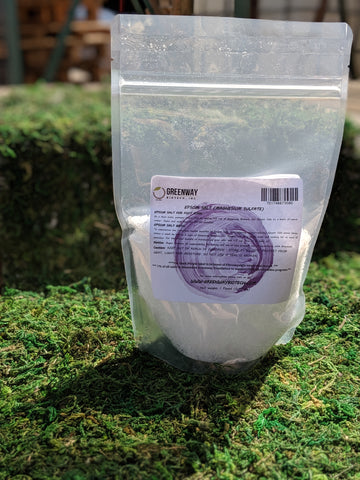
USP Grade: Our Epsom salt is USP (United States Pharmacopeia) grade, meaning it meets pharmaceutical standards for purity and is safe for both external and internal use.
Despite its name, Epsom salt is not something you put on your fries. It's called "salt" because of its crystalline structure, but that's where the similarity ends.
Epsom salt is actually magnesium sulfate — an inorganic compound made up of magnesium, sulfur, and oxygen. These three elements work together to provide a range of benefits that have made Epsom salt a household staple for centuries.
Long known as a natural remedy for a number of ailments, Epsom salt has numerous health benefits as well as many beauty, household, and gardening-related uses.
Talk about a product that does it all! Read on to learn 8 useful ways to get the most out of your Epsom salt and why you should make it a staple product in your home.
1. Use Epsom Salt as Bath Salts
Let's start with the classic.

One of Epsom salt's most popular uses is as a bath soak. When you add Epsom salt to warm water, the mineral breaks down into magnesium and sulfate ions.
As you soak in an Epsom salt bath, your body may absorb these compounds through the skin — a process known as transdermal absorption. Many people find that Epsom salt baths help relax muscles, relieve soreness, and loosen stiff joints, particularly after workouts or long days on their feet.
The magnesium in Epsom salt plays a key role here. According to the National Institutes of Health, magnesium is involved in over 300 biochemical reactions in the body, including muscle and nerve function.
A note on the science: While many people report significant relief from Epsom salt baths, research on how much magnesium is actually absorbed through the skin is still mixed. The warm water soak itself may also contribute to relaxation and muscle comfort. Either way, it's a practice that's been used for generations with positive results — and sometimes that's all you need to know.
How to Take an Epsom Salt Bath:- Add 2 cups of Epsom salt to a standard-size warm bath.
- Stir the water to help the crystals dissolve completely.
- Soak in the bath for at least 12-15 minutes to allow absorption.
- Repeat 2-3 times a week or as desired for best results.
Pro tip: For an enhanced experience, add a few drops of lavender essential oil to promote relaxation. For detailed instructions, check out our guide on How to Bathe in Epsom Salt.
2. Treat Athlete's Foot and Foot Odor
This one's not glamorous, but it works.

You don't have to be a sports professional to get athlete's foot — it's a common fungal infection that typically begins between the toes. The warm, moist environment inside shoes creates the perfect breeding ground for the fungus.
Soaking your feet in an Epsom salt bath can help relieve the uncomfortable symptoms of athlete's foot, including itching, burning, and scaling. The salt also helps draw moisture away from the skin and can reduce foot odor by creating an environment less hospitable to odor-causing bacteria.
How to Use Epsom Salt for Foot Soaks:- Dissolve half a cup of Epsom salt in a basin of warm water.
- Soak your feet for 10-15 minutes.
- Pat feet completely dry, especially between the toes.
- Repeat daily until the condition improves.
Note: If your athlete's foot persists beyond two weeks or shows signs of infection, consult a healthcare provider.
3. Treat Toenail Fungus
Another foot fix — we promise the list gets more exciting.

Toenail fungus is a common condition that begins as a white or yellow spot beneath your nail. If left untreated, the fungus can spread deeper, causing your nail to discolor, thicken, and crumble at the edge.
While Epsom salt isn't a cure-all, regular soaks can help soften the nail, allowing any topical treatments to penetrate more effectively. The magnesium sulfate may also help reduce inflammation around the affected area.
How to Use Epsom Salt for Toenail Fungus:- Fill a basin with hot (but comfortable) water and add a generous handful of Epsom salt.
- Soak your affected toes for 15-20 minutes.
- Repeat 2-3 times daily for best results.
- Continue until the infection shows improvement.
Tip: Keep nails trimmed short and file down thickened areas after soaking when the nail is soft.
4. Relieve Constipation
We'll keep this one brief. You're welcome.

Epsom salt has been used as an occasional laxative for generations. When taken internally, the magnesium sulfate draws water into the colon, which helps soften stool and stimulate bowel movements.
The FDA recognizes magnesium sulfate as a saline laxative, and it typically works within 30 minutes to 6 hours of consumption.
Dosage Guidelines for Constipation Relief:- Adults and children 12 years and older: Dissolve 2 to 4 level teaspoons of Epsom salt in 8 ounces of water and drink immediately.
- Children 6 to 11 years old: Dissolve 1 to 2 level teaspoons of Epsom salt in 8 ounces of water and drink immediately.
That means it meets pharmaceutical standards for purity and is safe for internal use as a laxative. Just follow the dosage guidelines above and keep these precautions in mind:
- Don't use more than once a day.
- If you need laxative relief for more than one week, consult a physician.
- Not recommended for people with kidney disease, those taking certain medications, or pregnant women without doctor approval.
Still with us? Good — because the next few uses might surprise you. 👇
5. Splinter Removal
This one's a lifesaver for parents everywhere.

Struggling to remove a stubborn splinter? Epsom salt can make the job much easier. Soaking the affected area helps reduce swelling around the wound and softens the skin, making the splinter easier to grasp and remove.
The warm water also helps draw the splinter closer to the surface, especially if it's embedded deeply.
How to Remove Splinters with Epsom Salt:- Dissolve 1 cup of Epsom salt in warm water.
- Soak the affected area for 10-15 minutes.
- Pat the area dry with a clean towel.
- Using sterilized tweezers, carefully remove the splinter.
- Clean the area and apply an antibacterial ointment if needed.
6. Enhance Beauty Regimens
Time to treat yourself.

If you're looking for soft, smooth skin without expensive spa treatments, Epsom salt might be your new best friend. The coarse crystals work as a natural exfoliant, helping to remove dead skin cells and reveal the fresh skin beneath.
Unlike some chemical exfoliants, Epsom salt is gentle enough for most skin types and dissolves completely in water, so you don't have to worry about harsh particles scratching your skin.
Epsom Salt Exfoliation Recipes:For Body Exfoliation:
- In the shower, mix a handful of Epsom salt with a tablespoon of olive oil, coconut oil, or baby oil.
- Gently massage the mixture onto wet skin in circular motions.
- Focus on rough areas like elbows, knees, and heels.
- Rinse thoroughly and pat dry.
For Facial Exfoliation:
- Mix half a teaspoon of Epsom salt with your regular cleansing cream or a gentle carrier oil.
- Gently massage onto damp skin, avoiding the eye area.
- Rinse with cool water and pat dry.
- Follow with your favorite moisturizer.
For more ways magnesium can improve your skin, check out our guide on How to Get Healthy Skin With Magnesium.
7. Gardening Aid
Okay, this is where Epsom salt really gets to show off. 🌱
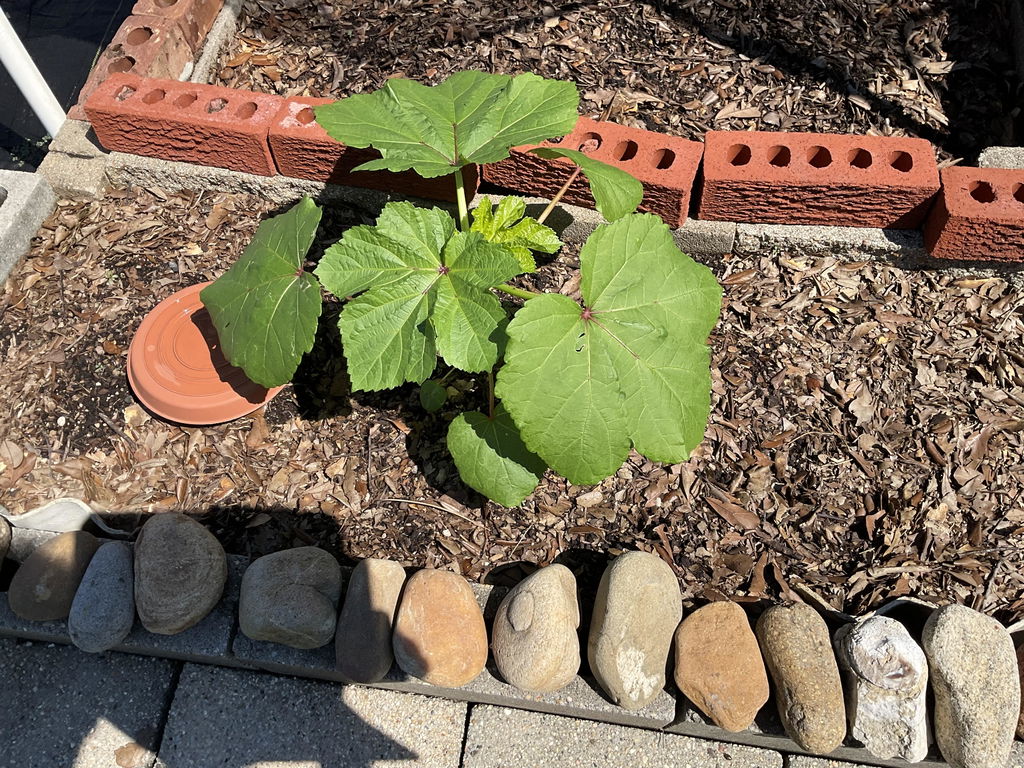
Here's where Epsom salt really shines for the green thumbs out there. Magnesium sulfate provides two essential nutrients that plants need: magnesium and sulfur.
Magnesium is a key component of chlorophyll — the molecule that gives plants their green color and allows them to convert sunlight into energy. When plants don't get enough magnesium, their leaves can turn yellow (a condition called chlorosis), starting between the veins.
Sulfur helps with protein formation and the development of enzymes. Together, these nutrients can help your plants grow stronger, greener, and more productive.
- Fertilize plants: Provides magnesium to prevent yellowing leaves
- Green up your lawn: Enhances chlorophyll production
- Boost tomatoes and peppers: These heavy feeders often benefit from extra magnesium
- Help roses bloom: Encourages more vibrant flowers
- For most plants: Add 1 tablespoon of Epsom salt per gallon of water and use as a foliar spray or soil drench.
- When planting: Add 1-2 tablespoons directly to the planting hole.
- For existing plants: Sprinkle 1 tablespoon around the base of each plant monthly during the growing season.
- Water thoroughly after application to help the nutrients reach the roots.
Note: Apply Epsom salt only if your plants show signs of magnesium deficiency (yellowing between leaf veins) or if a soil test indicates low magnesium levels. Overuse can create imbalances with calcium and potassium. While Epsom salt provides magnesium and sulfur, it doesn't replace a complete fertilizer. For best results, combine it with a balanced fertilizer from our organic fertilizers collection.
Want to learn more? Read our detailed guide on How to Really Boost Your Garden With Epsom Salt.
8. Household Cleaning
Still not done! Epsom salt moonlights as a cleaning agent too. ✨

Epsom salt's crystalline texture makes it an effective natural cleaning agent. The coarse grains provide gentle abrasion that can tackle tough grime without scratching surfaces, and because it dissolves in water, it rinses away cleanly.
Household Cleaning Uses:For Tile and Grout Cleaning:
- Mix equal parts liquid dish soap and Epsom salt to create a paste.
- Apply the mixture to tile and grout using a sponge or old toothbrush.
- Scrub in circular motions, paying extra attention to stained grout lines.
- Rinse thoroughly with warm water for a streak-free finish.
For Washing Machine Maintenance:
- Fill your empty washing machine with hot water on the largest load setting.
- Add 1 quart of white vinegar and 1 cup of Epsom salt.
- Let the machine agitate for about a minute, then pause the cycle.
- Let the mixture sit for an hour to break down detergent buildup and residue.
- Complete the cycle and run an additional rinse if needed.
For Pot and Pan Scrubbing:
- Sprinkle Epsom salt directly onto stuck-on food in pots and pans.
- Add a small amount of dish soap and scrub with a sponge.
- The salt crystals help lift baked-on residue without scratching cookware.
Wait, Isn't All Salt the Same? (Nope.)
With so many types of salt on the market, it's easy to get confused. Here's how Epsom salt stacks up against other popular options:
| Salt Type | Composition | Best For |
|---|---|---|
| Epsom Salt | Magnesium sulfate | Bath soaks, muscle relief, gardening, exfoliation |
| Table Salt | Sodium chloride | Cooking, food preservation |
| Dead Sea Salt | Mix of minerals including magnesium, potassium, calcium | Therapeutic baths, skincare |
| Himalayan Pink Salt | Sodium chloride with trace minerals | Cooking, decorative purposes |
The key difference? Epsom salt contains magnesium, which is why it's preferred for muscle recovery and plant nutrition. Table salt and Himalayan salt are sodium-based and aren't suitable substitutes for these applications.
Your Epsom Salt Questions, Answered
How much Epsom salt should I use in a bath?
For a standard bathtub, add 2 cups of Epsom salt to warm water. For a foot soak, use ½ cup in a basin. The crystals should dissolve completely before you get in.
Can I use Epsom salt every day?
For most people, Epsom salt baths 2-3 times per week are safe and beneficial. Daily use is generally fine, but if you have any health conditions or concerns, it's best to check with your healthcare provider.
Is Epsom salt safe for all plants?
Epsom salt is generally safe for most plants, especially those that are heavy magnesium feeders like tomatoes, peppers, and roses. However, it's not a complete fertilizer and shouldn't replace regular feeding. Some plants may not need extra magnesium, so it's best to observe your plants for signs of deficiency (yellowing leaves between the veins) or conduct a soil test before applying.
What's the difference between food-grade and regular Epsom salt?
Food-grade (USP) Epsom salt meets pharmaceutical standards for purity and is safe for internal consumption — like using it as a laxative. Non-USP Epsom salt may contain impurities that are fine for baths and gardening but not for ingestion. Our Epsom salt is USP grade, so you can use it for any of the applications in this article.
How long does Epsom salt last?
Epsom salt has an indefinite shelf life when stored properly in a cool, dry place in an airtight container. It doesn't expire, though it can clump if exposed to moisture. If it clumps, simply break it apart — it's still effective.
The Bottom Line: Why Epsom Salt Belongs in Your Home
- Versatile & Natural: One product for health, beauty, gardening, and cleaning. That's efficiency.
- Muscle & Recovery Aid: Magnesium sulfate in bath water may help soothe sore muscles and promote relaxation.
- Garden Booster: Provides immediately available magnesium for chlorophyll production, combating yellow leaves in plants like tomatoes and roses.
- Gentle Exfoliant: Dissolves completely, making it a safe physical exfoliator for body and face scrubs.
- USP Grade Quality: Our Epsom salt meets pharmaceutical purity standards, so it's safe for all uses — from bath soaks to occasional laxative relief.
Ready to Put Epsom Salt to Work?
Of all the products you have in your home cabinets, Epsom salt should definitely be one of them considering all that it can do. From soothing sore muscles after a tough workout to helping your tomato plants thrive, this simple mineral compound has earned its place as a household essential.
The best part? It's natural, affordable, and incredibly versatile. Whether you're looking to upgrade your self-care routine, tackle stubborn cleaning jobs, or give your garden a magnesium boost, Epsom salt delivers.
You can shop our Epsom salt below to get started and have an all-natural product that multitasks as much as you do!
Reviewed for accuracy: February 2026
Sources: NIH Office of Dietary Supplements (Magnesium), Mayo Clinic (Athlete's Foot), Mayo Clinic (Nail Fungus)
Comments
0 Comments
Leave a Comment