How to Remove Tree Stumps with Epsom Salt: Natural Step-by-Step Guide to Kill and Decompose Stumps
•Posted on September 07 2016

⚡ Quick Facts: Epsom Salt for Stump Removal
- What it is: Magnesium sulfate heptahydrate (MgSO₄·7H₂O) — a naturally occurring mineral compound
- How it works: Draws moisture out of wood cells through hygroscopic action, killing living tissue
- Timeline: 6–12 months for complete decomposition (faster than waiting years for natural rot)
- Soil impact: Adds beneficial magnesium and sulfur — actually improves soil quality
- Our quality: Greenway Biotech's Epsom salt is USP grade (pharmaceutical purity)
That tree stump in your yard isn't just an eyesore — it's basically a zombie. Cut down but refusing to die, still sucking up nutrients through its root system, maybe even sprouting new growth like it's auditioning for a horror movie sequel.
The good news? You don't need to rent a stump grinder, hire a crew, or spend a weekend with a pickaxe. Epsom salt — yes, the same stuff people use for bath soaks — can kill that stubborn stump naturally. And unlike rock salt or chemical stump removers, it won't turn your soil into a wasteland afterward.
Here's exactly how to do it, step by step.
Why Epsom Salt Works for Stump Removal
Science class was worth it after all.
When you cut down a tree, the stump doesn't just give up. The root system keeps pumping water and nutrients upward, keeping that stump alive — sometimes for years. That's why stumps can sprout new shoots, resist decay, and generally refuse to cooperate with your landscaping plans.
Epsom salt (magnesium sulfate) solves this problem through a process called hygroscopic desiccation. In plain English: it sucks the water right out of the wood.
Here's What Happens
- Moisture extraction: Epsom salt is hygroscopic, meaning it naturally attracts and absorbs water molecules. When packed into drilled holes, it pulls moisture from the surrounding wood cells.
- Cell death: Without water, the living tissue in the stump dies. No more nutrient transport, no more regrowth potential.
- Accelerated decay: Once dead, the stump becomes food for decomposing fungi and bacteria, breaking down much faster than a living stump would.
💡 Did you know? A living tree stump can survive for years — even decades — by grafting its roots onto neighboring trees. Researchers at Auckland University of Technology documented a leafless kauri stump that remained alive by exchanging water and nutrients through these root connections, suggesting forests may function more like "superorganisms" than collections of individual trees. That's another reason to kill a stump sooner rather than later.
The Bonus: Soil Benefits
Unlike rock salt (sodium chloride), which can sterilize soil and kill surrounding plants, Epsom salt actually improves your garden soil as it breaks down:
- Magnesium supports chlorophyll production and helps plants absorb other nutrients
- Sulfur aids protein synthesis and enzyme function in plants
So while you're killing the stump, you're feeding the plants you actually want to keep.
Materials You'll Need
Nothing fancy — you probably have most of this already.
- Drill with 1-inch spade bit (or the largest bit you have)
- 100% Epsom salt — about 1–2 pounds per foot of stump diameter (our USP-grade Epsom salt works perfectly)
- Water — just enough to moisten the salt
- Mattock, grub hoe, or shovel — for exposing roots
- Tarp or plastic sheeting (optional) — to keep rain from washing away the salt
- Protective gear — safety glasses and work gloves
Pro tip: Buy more Epsom salt than you think you need. You'll likely reapply several times over the coming months.
🌿 Still with us? Good — the next section is where we get our hands dirty.
How to Kill a Tree Stump with Epsom Salt: Step-by-Step
This isn't a weekend project — it's a 10-minute task you'll repeat a few times over several months.
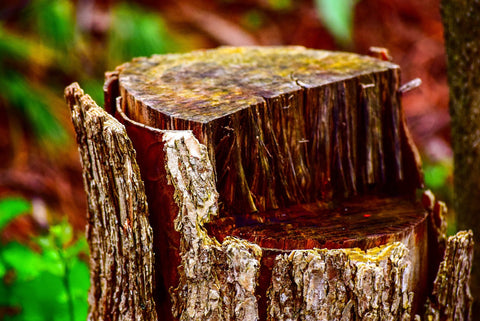
Step 1: Drill Holes Into the Stump
- Using your 1-inch spade bit, drill holes across the top of the stump
- Start about 3 inches from the outer edge and space holes 3–4 inches apart
- Drill at least 8–10 inches deep — deeper is better for larger stumps
- Angle some holes toward the center for maximum penetration
Pro tip: Drilling on a slight downward angle helps the salt solution pool in the holes rather than run out.
Step 2: Fill Holes with Epsom Salt
- Pack each hole completely full of dry Epsom salt
- Add just enough water to moisten the salt — don't flood it
- The water helps carry the magnesium sulfate into the wood cells
Step 3: Treat Exposed Roots
- Use your mattock or shovel to expose as much of the root system as practical
- Pour a thick layer of Epsom salt directly onto exposed roots
- This cuts off the stump's backup water and nutrient supply
Step 4: Cover and Wait
- Optionally cover the stump with a tarp to prevent rain from diluting the salt
- Wait 3 weeks before your first check-in
Step 5: Monitor and Reapply
- Check the stump every 3 weeks
- Reapply Epsom salt to any holes that have emptied or look washed out
- Signs of progress: Wood becomes darker, more brittle, and dry to the touch
- Signs of life: Wood remains light-colored, soft, and moist
Expect the killing process to take 2–3 months. Full decomposition takes 6–12 months depending on stump size and wood type.
How to Speed Up Stump Decomposition
Patience is a virtue, but so is getting that stump gone before next summer.
Once the stump is dead (brittle, dark, no soft spots), you can accelerate decomposition:
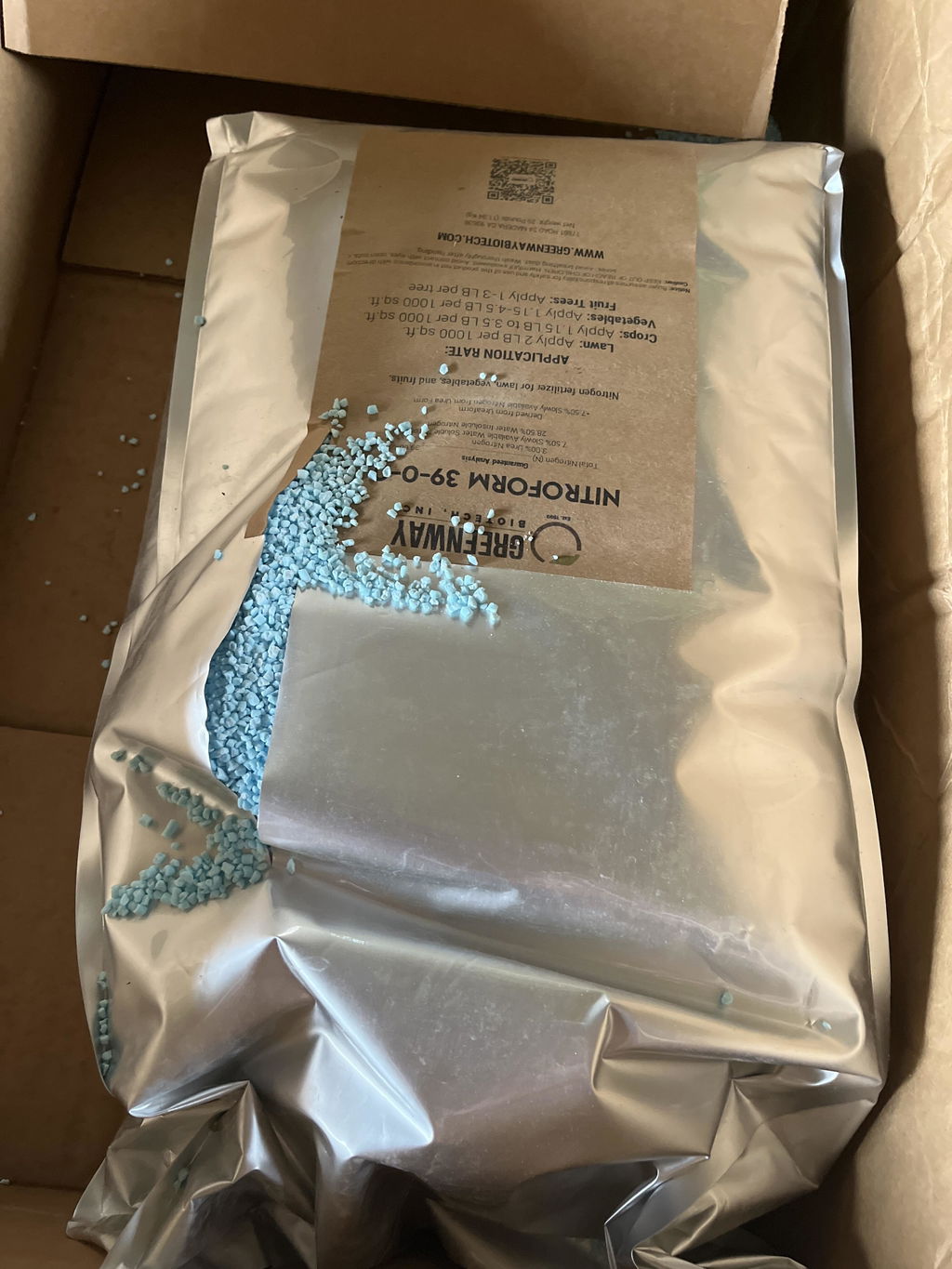
Add High-Nitrogen Fertilizer
Decomposing fungi and bacteria need nitrogen to break down wood efficiently. Adding a nitrogen-rich fertilizer to the holes and around the base feeds these decomposers and speeds up the process significantly.
We recommend our Organic Blood Meal Fertilizer (12-0-0) — it's one of the highest-nitrogen organic options available and breaks down slowly for sustained feeding.
Keep It Moist (But Not Wet)
Decomposition requires moisture. If you're in a dry climate, water the stump area occasionally to keep decomposer organisms active.
Add Compost or Soil
Piling compost or garden soil over the dead stump introduces more decomposing microorganisms and creates an ideal environment for breakdown.
💡 Did you know? Hardwoods like oak and maple decompose much slower than softwoods like pine. An oak stump might take 12–18 months; a pine stump might be spongy and removable in 6–8 months.
Epsom Salt vs. Other Stump Removal Methods
Not all stump killers are created equal — here's how they stack up.
| Method | Kills Stump? | Soil Impact | Timeline | Cost |
|---|---|---|---|---|
| Epsom Salt | Yes | ✅ Beneficial — adds Mg & S | 6–12 months | $5–15 |
| Rock Salt (NaCl) | Yes | ❌ Harmful — sterilizes soil | 6–12 months | $3–10 |
| Potassium Nitrate (Stump Remover) | No — accelerates decay only | ⚠️ Neutral to mildly harmful | 4–6 weeks (after death) | $10–20 |
| Stump Grinding | Removes, doesn't kill | ✅ No chemical impact | Same day | $100–400+ |
| Burning | Yes | ⚠️ Can damage nearby roots | 1–2 days (after drying) | Free (if legal) |
The bottom line: Epsom salt is the only method that kills the stump and improves your soil. If you're not in a rush and want to replant in that spot eventually, it's the clear winner.
Your Stump Removal Questions, Answered
How much Epsom salt do I need per stump?
Plan on 1–2 pounds of Epsom salt per foot of stump diameter. A 2-foot-wide stump needs 2–4 pounds total. Buy extra for reapplications — you'll likely need to top up the holes 2–3 times over several months.
Will Epsom salt kill surrounding plants?
No — Epsom salt is actually beneficial to most plants in moderate amounts. Unlike rock salt (sodium chloride), it won't sterilize soil or harm nearby vegetation. The magnesium and sulfur released as it breaks down are plant nutrients.
How long does it take to kill a stump with Epsom salt?
The stump typically dies within 2–3 months of consistent treatment. Full decomposition to the point where you can easily break apart or remove the stump takes 6–12 months, depending on the wood type and stump size. Hardwoods take longer than softwoods.
Can I use table salt instead of Epsom salt?
You can, but we don't recommend it. Table salt (sodium chloride) will kill the stump, but it also damages soil structure and can prevent plant growth in that area for years. Epsom salt does the job without the negative soil impact.
What if my stump keeps sprouting new growth?
Sprouts mean the stump is still alive and receiving nutrients through its roots. Cut off any new growth immediately, drill additional holes if needed, and ensure you're treating exposed roots as well as the top of the stump. Persistence wins — keep reapplying every 3 weeks.
Is this method safe for pets and children?
Epsom salt is non-toxic and widely used in baths and personal care. However, ingesting large amounts can cause digestive upset. If you have curious pets or young children, consider covering the treated stump with a tarp or temporary fencing until the salt dissolves into the wood.
Key Takeaways
- Epsom salt kills stumps by drawing moisture out of wood cells through hygroscopic action
- It's soil-friendly — unlike rock salt, it adds beneficial magnesium and sulfur to your garden
- The process takes 6–12 months for complete decomposition, but requires only occasional maintenance
- Drill deep holes (8–10 inches) and treat exposed roots for best results
- Reapply every 3 weeks until the wood becomes dark and brittle
- Speed up decomposition by adding high-nitrogen fertilizer like blood meal once the stump is dead
- USP-grade Epsom salt ensures purity — no fillers or additives that could affect your soil
Ready to Say Goodbye to That Stump?
Epsom salt won't give you instant results, but it will give you good results — a dead stump, healthy soil, and zero rental equipment fees. Plus, there's something satisfying about solving a problem with simple chemistry and a little patience.
Grab a bag of our USP-grade Epsom salt, drill some holes, and let nature (with a little help from magnesium sulfate) do the rest.
Comments
13 Comments
-

Posted by Lyla Thiemet | August 24, 2026
-

Posted by Tom | August 24, 2026
-

Posted by Jennifer | August 24, 2026
-

Posted by David salmon | May 18, 2021
-

Posted by tree removal wellington | March 02, 2021
-

Posted by Arborist South Auckland | March 02, 2021
-

Posted by Arborist Tokoroa | March 02, 2021
-

Posted by Arborist Tauranga | February 05, 2021
-

Posted by John | October 14, 2020
-

Posted by Ruben Murguia | July 24, 2020
-

Posted by Ruben Murguia | July 24, 2020
-

Posted by Ruben Murguia | July 24, 2020
-

Posted by Jacqueline McClain | June 03, 2019
Leave a CommentI have a small volunteer tree that had to be cut out as it was a home for wasp’s. I wanted to kill the stump to keep it from growing back without harming the bushes around the area. Thank you! This seems to be the perfect answer.
Instead of using a drill to drill holes in the tree stump you can use a chainsaw to cut holes in the stump then fill with the salt. Hope this helps
Only one person was realistic about not having the tools to accomplish drilling these holes. Not one person commented on how well it worked.
My 20 volt drill will not drive a 1” blade bit into the oak or pine stump even 2 inches much less 8. Even tried my plug in electric drill which is maximum power. Your solution works well in an cartoon illustration. In real life it is a tad more challenging.. I’d welcome a real life video to see this idea proven.
These are some great information that you have shared here on Epsom salt formula for stump removal. I really loved it and thank you very much for sharing this with us. You have a great visualization and you have really presented this content in a really good manner.
https://www.huttvalleyfirewood.nz/
Wonderful information, thanks a lot for sharing kind of content with us. Your blog gives the best and the most interesting information on Epsom salt formula for stump removal. I wonder if we can gather such practical information about it, a great post definitely to come across. Find an incredible site https://www.thetreeman.co.nz having lots of ideas and tips that can be handy
All the best things on the epsom salt formula for stump removal in detail. Such articles are not only knowledge enhancers but also very interesting to read and to learn to compare from. I loved reading this article, will visit again in the future to read more.
https://treetechnz.co.nz/
Your article is quite helpful!! I have so many questions, and you have answered many of them. Thank you!! Such a nice and super article, we have been looking for this information about the epsom salt formula for the stump removal. Indeed a great post about it.
https://www.baystumpgrinding.co.nz/
Epsom salt is a chemical. Magic is not chemical.
This advice helps me alot
Thank you this tree or bush has spread all over the back yard. Your advice is appreciated, be safe 😷✌️
Thank you this tree or bush has spread all over the back yard. Your advice is appreciated, be safe 😷✌️
This is a great way to kill a stump without chemicals..Thank you!