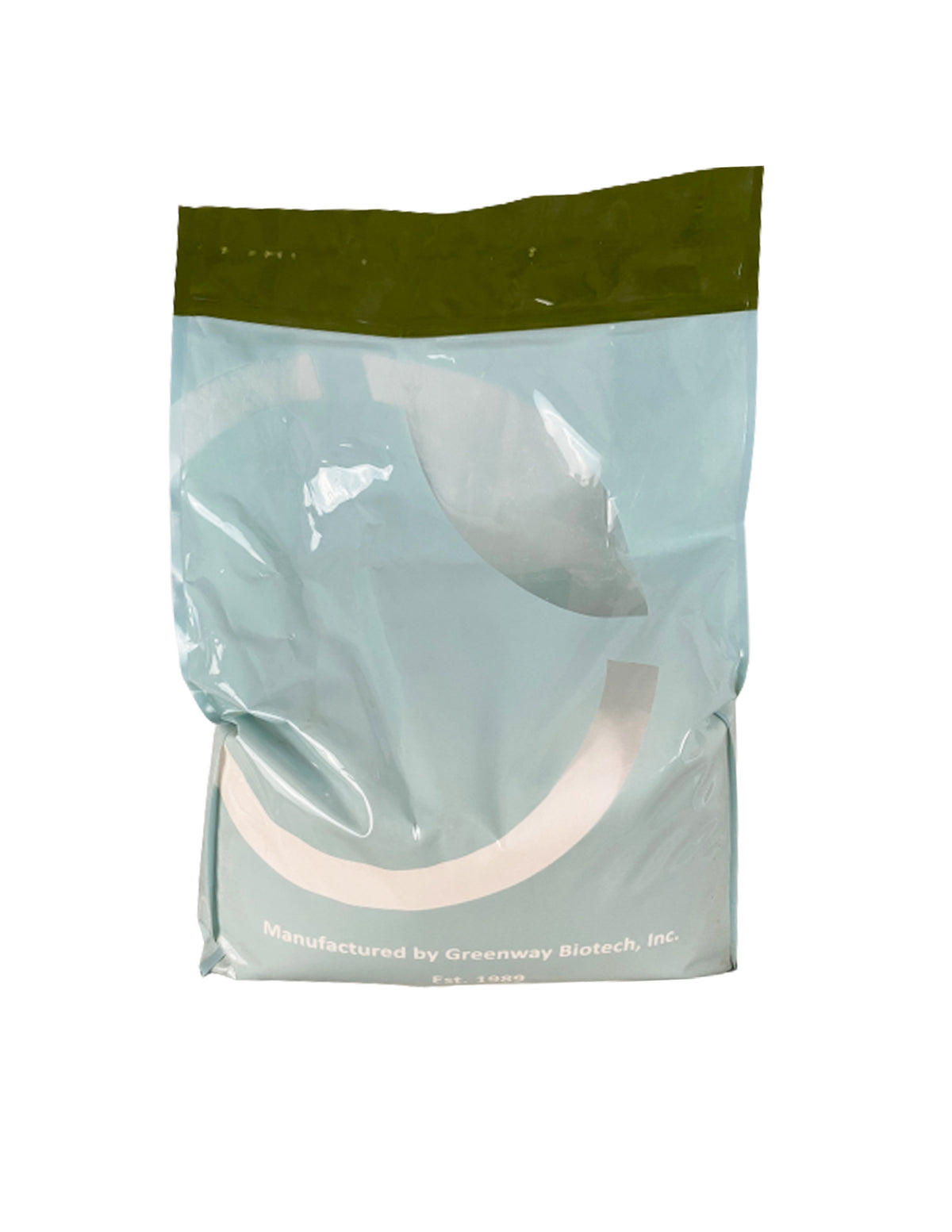
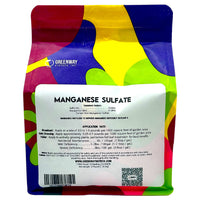
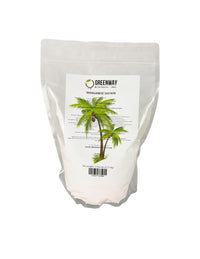
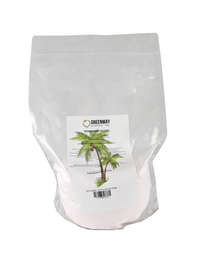
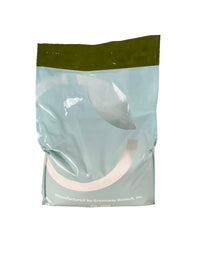
Organic Manganese Sulfate Fertilizer
- Regular Price
- $ 19.99
- Sale Price
- $ 19.99
- Regular Price
- $ 19.99
- Unit Price
- per
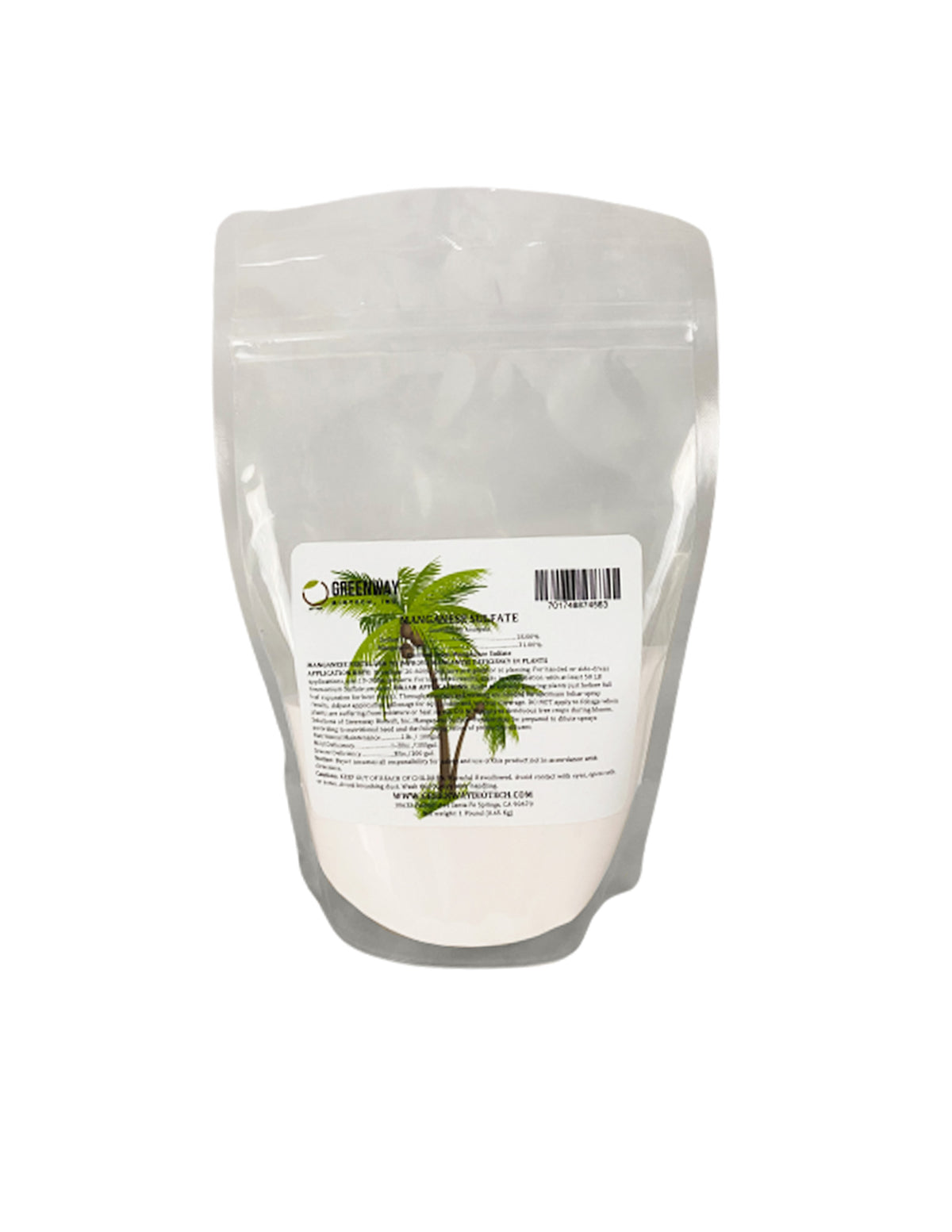
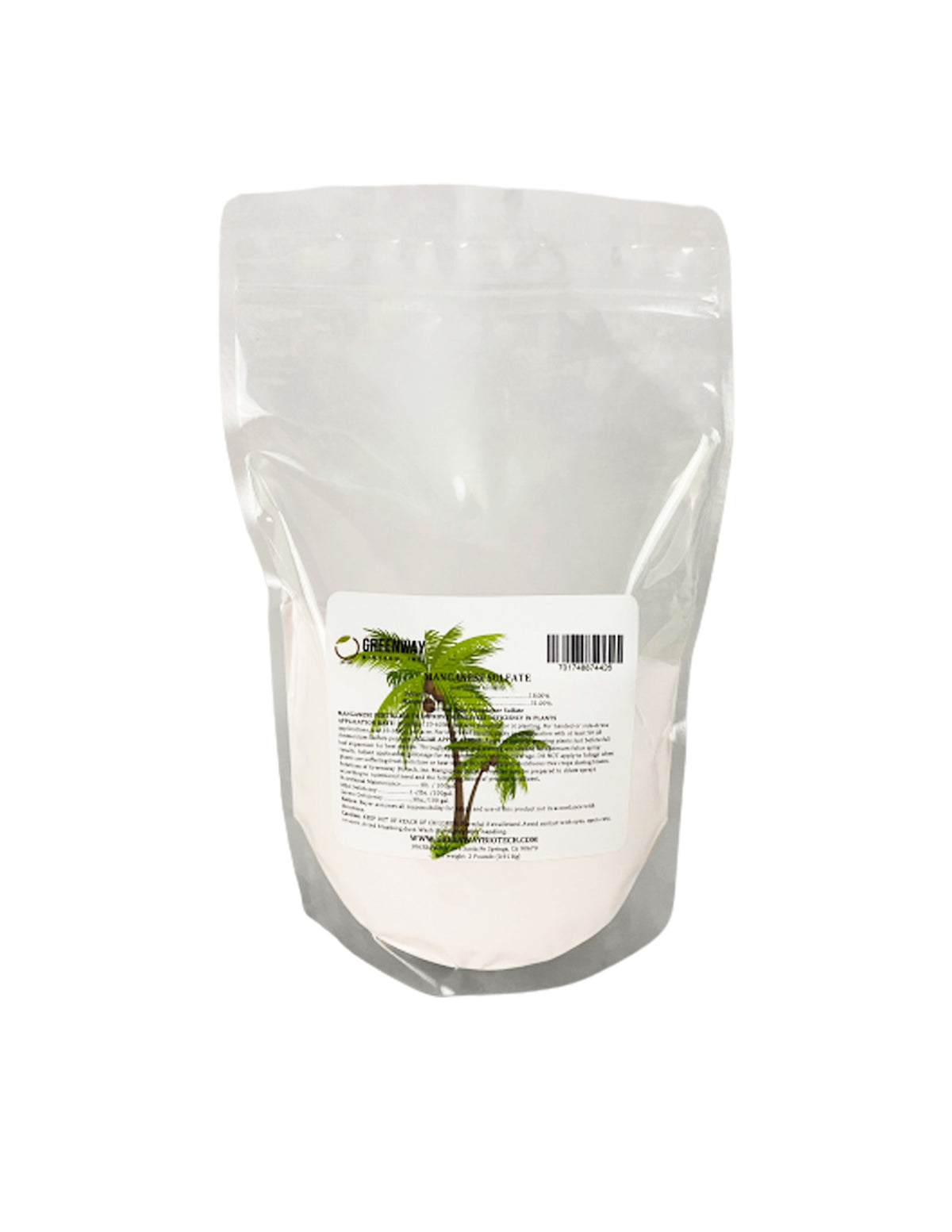
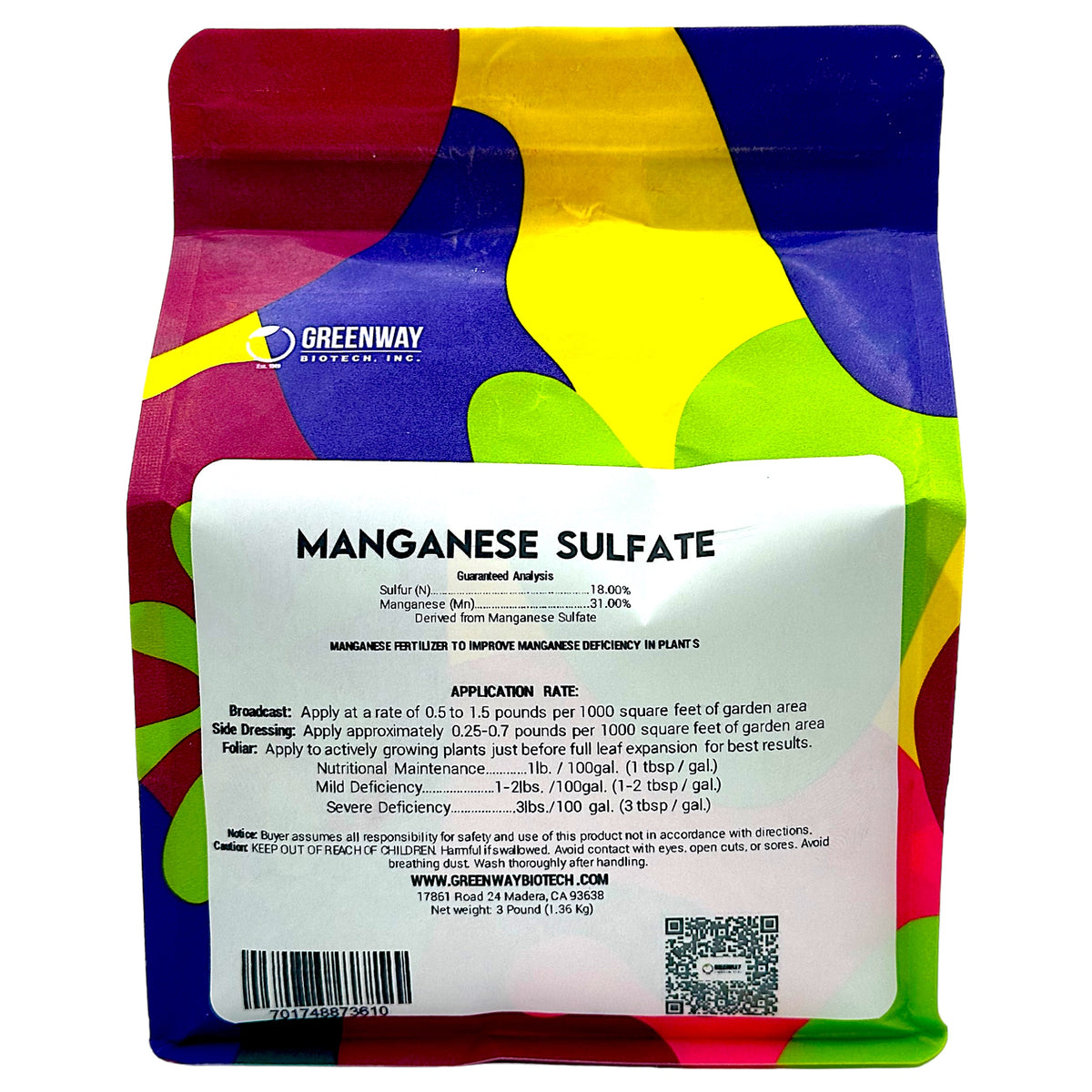
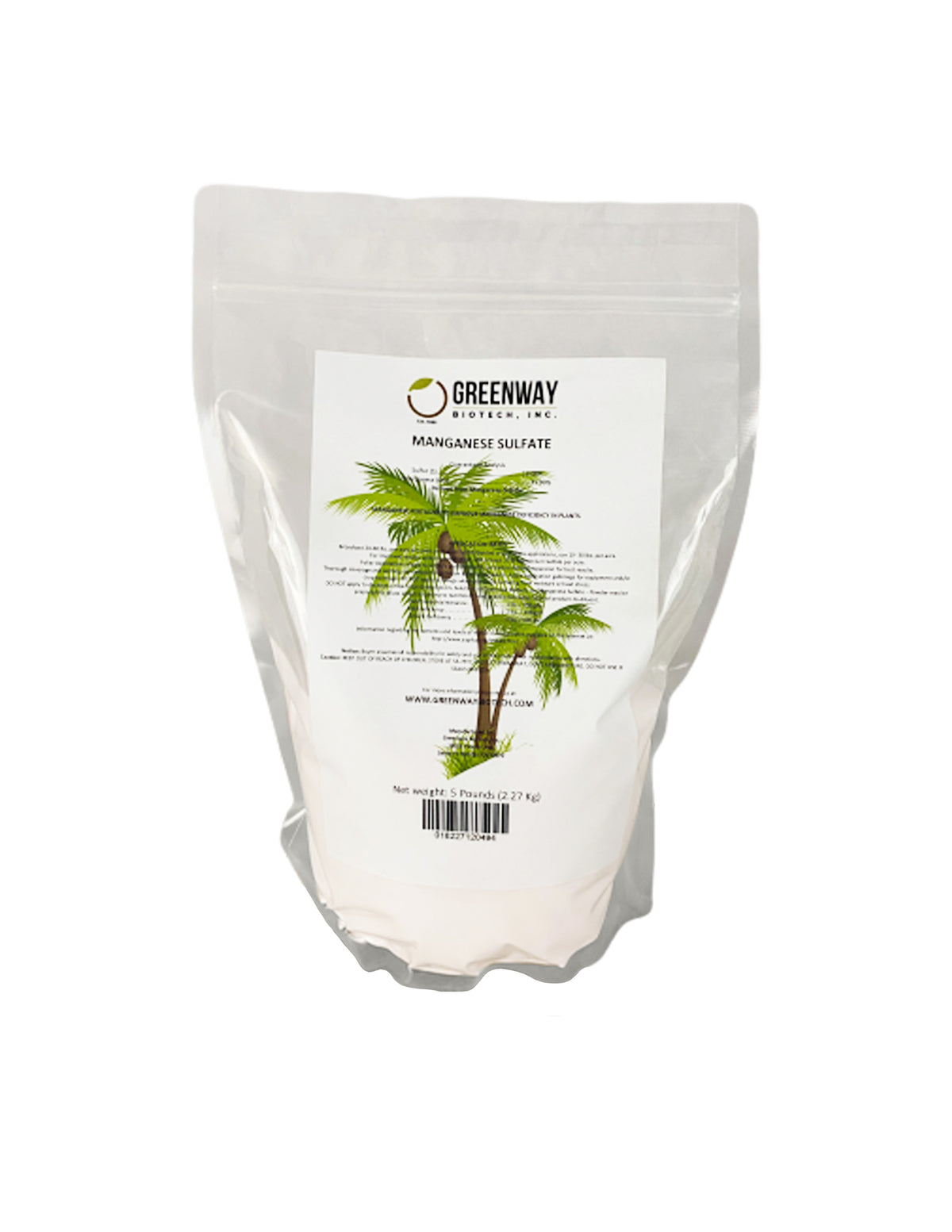
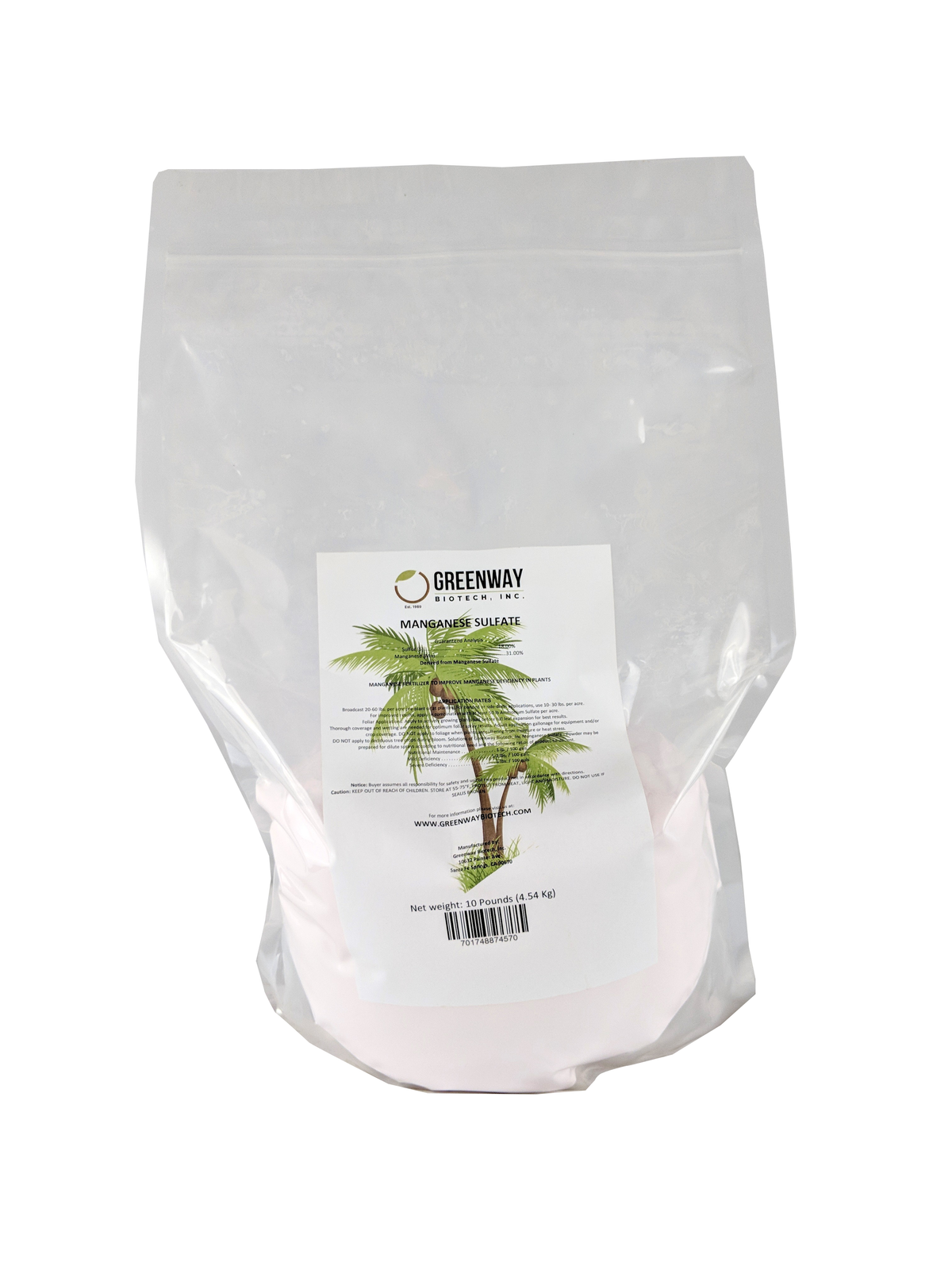
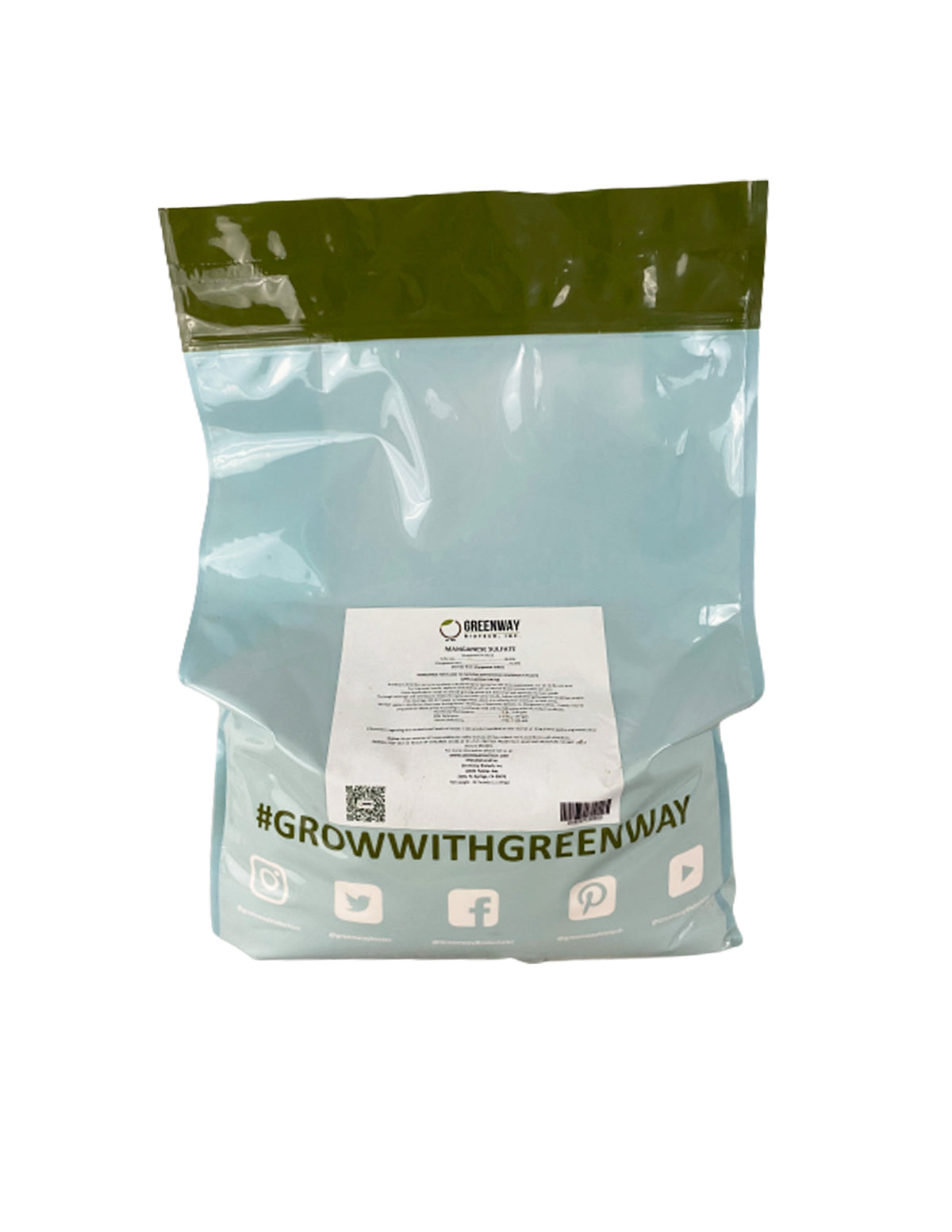
Manganese Sulfate Fertilizer (31% Mn + 18% S)
High-purity manganese sulfate — 31% Mn and 18% S — for preventing and correcting manganese deficiency in palms, citrus, vegetables, and hydroponic systems. The go-to solution for frizzle top in palms and interveinal chlorosis across high-pH and sandy soils.
Ideal Applications
FEATURES
🌴 Prevents Frizzle Top
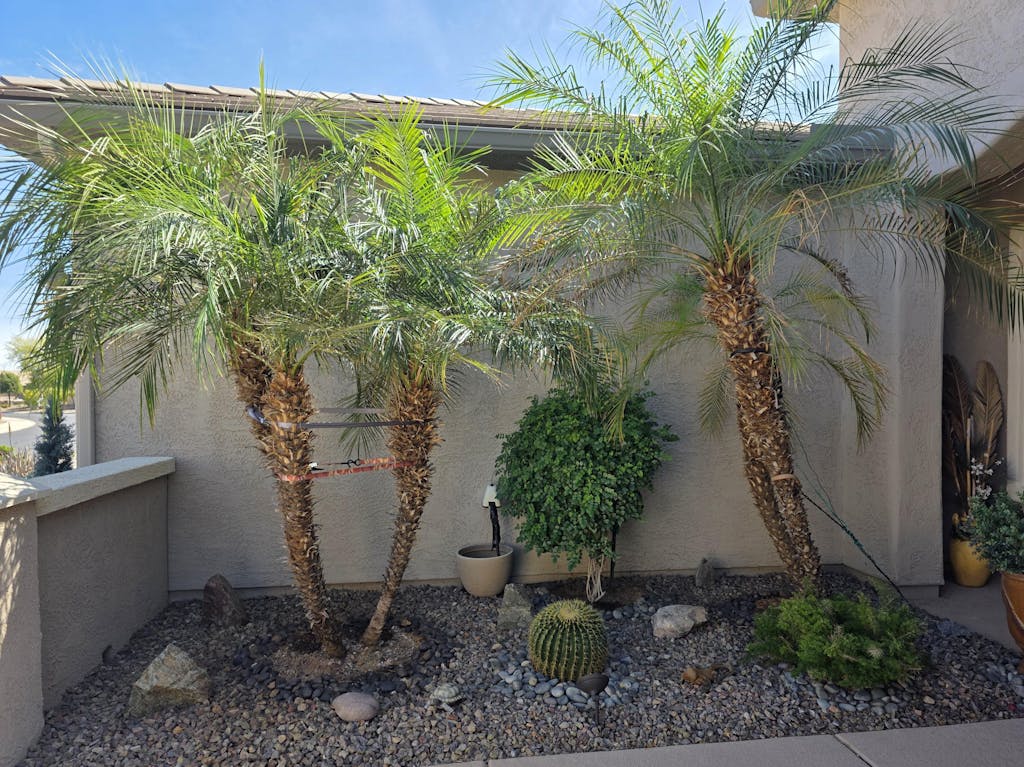
Essential for palm health — helps prevent the progressive frizzle top condition most common in Queen, Royal, Pygmy Date, and Coconut Palms.
⚡ Enzyme Activation
Activates more than 30 plant enzymes critical to photosynthesis, nitrogen metabolism, and energy transfer throughout the plant.
🌿 Chlorophyll & Photosynthesis Support
Manganese is required for the oxygen-evolving complex of photosystem II — the water-splitting reaction that powers photosynthesis and enables plants to convert light into energy.
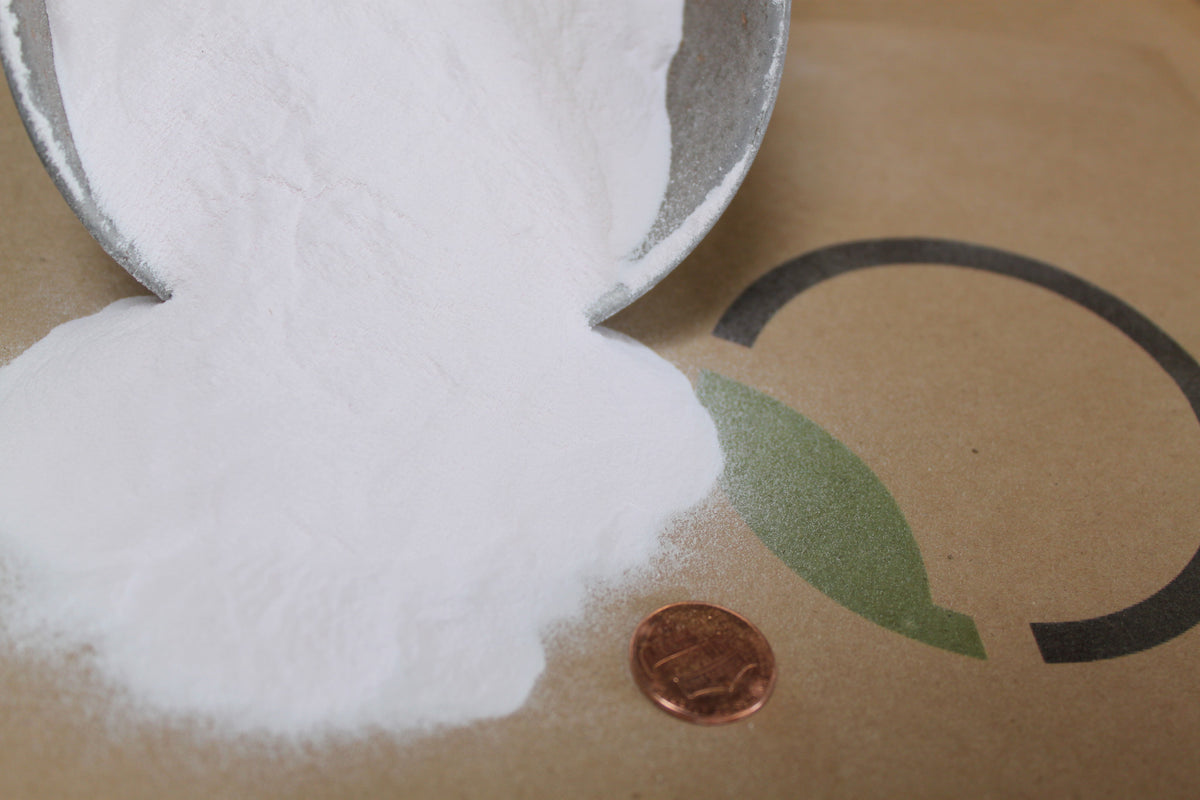
🔬 Over 99% Pure Powder
Fine crystalline powder independently tested for heavy metals — results consistently well below required limits — for reliable, consistent results every application.
🧪 CDFA Registered
Registered with the California Department of Food and Agriculture — meets all regulatory standards for use on California crops.
💪 Structural Defense Support
Promotes lignin formation in cell walls, improving structural integrity and supporting the plant's natural defense mechanisms against environmental stressors.
🟡 18% Sulfur Included
The sulfur component supports protein synthesis, improves nitrogen utilization, and enhances overall plant metabolic function.
💧 Fully Water-Soluble
Dissolves completely for use in drip irrigation, fertigation systems, hydroponic reservoirs, and foliar spray programs.
🌱 Multi-Method Application
Effective via broadcast soil application, banding, foliar spray, fertigation, and hydroponic nutrient solution — one product, every method.
🌱 OMRI Listed® (50 lb)
The 50 lb size is repackaged from OMRI Listed® material, making it suitable for use in certified organic production. Verify current approval with your certifying agency before use.
DERIVED FROM
Our manganese sulfate is produced from a single, high-purity crystalline source — ensuring complete solubility and rapid plant uptake for quick deficiency correction.
Micronutrient Source
Manganese Sulfate Monohydrate
MnSO₄·H₂O — crystalline powder delivering 31% elemental manganese and 18% sulfur. The monohydrate form dissolves readily in water and is readily available for plant uptake across a wide pH range.
SCIENCE BEHIND THE FORMULA
Mn — Manganese (31%)
Required for the oxygen-evolving complex of photosystem II — the water-splitting reaction that produces the oxygen released during photosynthesis. Without adequate manganese, this reaction fails and plants cannot generate energy from light.
S — Sulfur (18%)
Essential building block of the amino acids cysteine and methionine, and a component of coenzymes involved in nitrogen fixation. Sulfur can also support local acidifying effects in the rhizosphere over time, which may improve manganese availability in alkaline conditions.
Why Manganese Deficiency Occurs
Manganese is most commonly deficient in high-pH soils (above 7.0), sandy soils low in organic matter, and over-limed soils — conditions where Mn²⁺ ions bind to soil particles and become unavailable for root uptake. Poorly drained soils can cause the opposite: manganese toxicity where reduced Mn²⁺ accumulates to harmful levels. The sulfur in our formula can support local acidifying effects in the rhizosphere over time, which may help improve Mn availability in alkaline soils.
Frizzle Top: A Manganese Crisis in Palms
Frizzle top is a progressive manganese deficiency disorder affecting palms. New fronds emerge chlorotic and undersized (early stage), then become withered, scorched, and distorted — giving the characteristic "frizzled" appearance (middle stage). In the late stage, only small brown stubs emerge from the spear, followed by palm death if left untreated. Because manganese is immobile in the plant, deficiency always appears on the newest growth first. Regular preventive applications every three months are far more effective than attempting to correct advanced frizzle top.
APPLICATION RATES & DIRECTIONS
Soil Application
| Application Method | Rate | Notes |
|---|---|---|
| Broadcast (Pre-plant) | 20–60 lbs/acre | 0.5–1.4 lbs/1,000 sq ft; confirm rate with soil test |
| Banded/Side-dress | 10–30 lbs/acre | More efficient than broadcast in high-pH soils |
| With Ammonium Sulfate | Add 50+ lbs/acre | Improves Mn availability in alkaline soils |
| Home Gardens | 1–2 lbs/1,000 sq ft | Work into top 4–6 inches of soil |
Foliar Application
| Severity | Rate per 100 Gallons | Frequency |
|---|---|---|
| Nutritional Maintenance | 1 lb | Monthly during active growth |
| Mild Deficiency | 1–2 lbs | Every 2–3 weeks |
| Severe Deficiency | 3 lbs | Weekly until corrected; test on a small area first |
Palm Tree Application
| Palm Size | Rate per Tree | Frequency |
|---|---|---|
| Small/Young | 2–4 oz | Every 3 months |
| Medium | 4–8 oz | Every 3 months |
| Large/Mature | 8–16 oz | Every 3 months |
| Severely Deficient | Double rates | Monthly until recovery; consult a certified arborist for severely affected specimens |
Hydroponics & Fertigation
| Application | Rate | Notes |
|---|---|---|
| Hydroponics | 0.5–2 ppm Mn | In completed nutrient solution |
| Fertigation | 1–2 lbs/acre per application | Through drip or overhead irrigation |
- Do not apply to foliage when plants are under moisture or heat stress
- Do not apply to deciduous tree crops during bloom
- Most susceptible palms: Queen, Royal, Pygmy Date, Paurotis, and Coconut
- Apply palm treatments to soil under the canopy drip line, not to the trunk
HOW TO USE
Soil Application
- Test soil pH — if above 7.0, plan to combine with ammonium sulfate to improve Mn availability.
- Measure the appropriate rate for your area (use the calculator below).
- Broadcast evenly over the soil surface before planting, or side-dress around established plants.
- Incorporate into the top 4–6 inches using a tiller or rake.
- Water thoroughly to begin moving manganese into the root zone.
Foliar Spray
- Mix 1–3 lbs per 100 gallons of water depending on deficiency severity.
- Test on a small area of foliage first and wait 48 hours before full application.
- Apply with a backpack sprayer, boom sprayer, or hand sprayer to thoroughly wet all leaf surfaces.
- Spray early morning or late evening to reduce evaporation and leaf burn risk.
- Avoid application when temperatures exceed 90°F or when plants are visibly stressed.
- Repeat every 2–3 weeks until new growth shows normal green color.
Palm Trees
- Determine palm size and select rate from the table above.
- Distribute the measured amount evenly on the soil surface beneath the canopy drip line.
- Do not pile product against the trunk.
- Water in thoroughly after application.
- Repeat every 3 months for maintenance; monthly at double rates for severely deficient palms.
Hydroponics
- Dissolve the required amount in a small volume of water first, then add to the reservoir.
- Target 0.5–2 ppm manganese in the final nutrient solution.
- Use the calculator below to determine exact grams needed for your reservoir size.
- Monitor solution pH — manganese uptake is optimal between 5.5–6.5.
- Test and adjust Mn levels weekly.
Pro Tip: Combine with Ammonium Sulfate for Problem Soils
In alkaline soils (pH above 7.0), manganese rapidly oxidizes to unavailable forms. Applying 50+ lbs/acre of Ammonium Sulfate alongside your manganese sulfate creates acidic microsites around roots, which can significantly improve Mn uptake without requiring a full soil acidification program.
When Manganese Sulfate Is the Right Choice
- Preventing or correcting frizzle top in palms
- Soil pH above 7.0 where Mn availability is reduced
- Sandy, low-organic-matter soils prone to Mn leaching
- Interveinal chlorosis appearing on new growth first
- Crops with high Mn demand: cereals, legumes, citrus, palms
- Hydroponic systems requiring precise Mn dosing
When to Consider Other Options
- Very high pH soils where chelated forms maintain availability longer → Chelated Manganese EDTA
- When iron deficiency is also present → pair with Chelated Iron EDTA 13%
- When a complete micronutrient blend is needed → consider a multi-micronutrient product
MANGANESE SULFATE CALCULATOR
SAFETY & HANDLING
Personal Protective Equipment (PPE)
- Wear safety glasses or goggles when handling powder to avoid eye contact
- Use chemical-resistant gloves during mixing and application
- Wear a dust mask or N95 respirator when measuring or mixing fine powder in enclosed areas
- Long sleeves and pants recommended during field applications
- Wash hands, forearms, and face thoroughly after handling
Storage Guidelines
- Store in original, sealed container in a cool, dry, well-ventilated area
- Keep away from direct sunlight and heat sources
- Store separately from incompatible materials (strong oxidizers, strong bases)
- Keep out of reach of children and pets
- Do not store near food, feed, or potable water
Application Precautions
- Do not apply foliar sprays during heat stress, drought stress, or when plants are wilting
- Do not apply to deciduous tree crops during bloom — may cause phytotoxicity
- In hydroponics, excessive Mn can antagonize iron and zinc uptake — stay within 0.5–2 ppm range
- Manganese toxicity can occur in waterlogged, very acidic soils — do not apply if soil pH is below 5.5 without testing
- Avoid runoff into waterways, storm drains, or aquatic environments
First Aid
- Eye contact: Immediately flush with clean water for 15–20 minutes, holding eyelids open. Seek medical attention if irritation persists
- Skin contact: Wash affected area with soap and water. Remove contaminated clothing. Seek medical attention if irritation develops
- Ingestion: Do not induce vomiting. Rinse mouth with water. Contact Poison Control (1-800-222-1222) or seek medical attention immediately
- Inhalation: Move to fresh air immediately. Seek medical attention if breathing difficulty, coughing, or irritation persists
For chemical emergencies contact CHEMTREC: +1-703-527-3887. Refer to the Safety Data Sheet (SDS) for complete safety information.
COMPLETE YOUR SYSTEM
Complementary Micronutrients
Chelated Manganese EDTA
EDTA-chelated manganese stays plant-available in high-pH soils where sulfate forms are rapidly immobilized. The preferred choice for alkaline conditions.
Chelated Iron EDTA 13%
Iron and manganese deficiencies often co-occur in the same soils. Correct both simultaneously for faster recovery of chlorotic plants.
Zinc Sulfate 35.5% Zn
Zinc works alongside manganese in enzyme systems supporting plant growth and development. A natural pairing for complete micronutrient programs.
Soil Improvement
FREQUENTLY ASKED QUESTIONS
Select any question to expand the answer.
What is manganese sulfate and why is it essential for plants?
Manganese sulfate is a water-soluble micronutrient fertilizer providing 31% manganese and 18% sulfur. Manganese is essential for the oxygen-evolving complex of photosystem II — the water-splitting reaction that powers photosynthesis and enables plants to convert light into energy. Without it, plants cannot function normally. Manganese also activates more than 30 plant enzymes involved in nitrogen metabolism, chlorophyll function, and structural support through lignin formation. The sulfur component contributes to protein synthesis and can support local acidifying effects in the rhizosphere over time, which may improve manganese availability in alkaline soils.
For a deeper look at how manganese and potassium interact in plant nutrition, see: What is the Role of Manganese and Potassium?
What is "frizzle top" and how does manganese sulfate prevent it?
Frizzle top is a progressive manganese deficiency disorder affecting palms. New fronds emerge chlorotic, undersized, and weak in the early stage. As deficiency worsens, fronds become withered, scorched, and distorted — the "frizzled" appearance that gives the condition its name. In advanced cases, only small brown stubs emerge from the spear, eventually leading to palm death.
Most susceptible species are Queen Palms, Royal Palms, Pygmy Date Palms, Paurotis, and Coconut Palms. Because manganese is immobile in plant tissue, deficiency symptoms always appear on new growth first — making early intervention critical. Preventive applications every 3 months are more effective than trying to rescue severely affected palms.
How can I identify manganese deficiency in my plants?
The most reliable indicator is interveinal chlorosis on young leaves — the tissue between veins turns yellow or pale green while the veins themselves remain green. This contrasts with iron deficiency, which looks similar but can be distinguished by soil pH and the specific crop affected. Other symptoms include gray specks or necrotic spots on leaf tissue (common in cereals), stunted growth, reduced fruit set, and delayed maturity.
Manganese deficiency is most common in soils with pH above 7.0, sandy soils with low organic matter, over-limed soils, and waterlogged soils where Mn converts to unavailable oxidized forms. A soil or tissue test is the most reliable confirmation before applying. For more on diagnosing nutrient deficiency symptoms, see: 8 Reasons Why Your Plant Leaves Are Turning Yellow
What is the best application method for manganese sulfate?
Foliar spray is often the most efficient method for rapid correction — 1–3 lbs per 100 gallons delivers manganese directly to leaf tissue, with visible improvement in new growth often appearing within 1–2 weeks. Best applied before full leaf expansion. Always test on a small area first.
Soil application (20–60 lbs/acre broadcast, 10–30 lbs/acre banded, based on soil test) is longer lasting but less efficient due to soil tie-up in high-pH conditions. Adding 50+ lbs/acre ammonium sulfate can significantly improve Mn availability. For palms, apply 2–16 oz per tree to soil under the canopy every 3 months. For hydroponics, target 0.5–2 ppm in the completed nutrient solution — use the calculator on this page for exact dosing.
To understand how sulfur works alongside manganese in plant nutrition, see: What is the Function of Sulfur in Plants?
Is manganese sulfate suitable for certified organic production?
The 50 lb size of our manganese sulfate is repackaged from OMRI Listed® material, which means it may be suitable for use in certified organic production where soil manganese deficiency is documented. Other sizes carry CDFA registration but are not repackaged from OMRI Listed® material.
Organic compatibility requirements vary by certifying agency. Always verify current approval status with your certifier before use, and keep documentation of your soil deficiency on file as most certifiers require it to justify micronutrient applications.
What is the difference between manganese sulfate and chelated manganese?
Manganese sulfate (MnSO₄) releases Mn²⁺ ions directly into the soil solution. It is cost-effective and works well in moderately acidic to neutral soils (pH 5.5–7.0) where ionic manganese remains available. In soils above pH 7.0, Mn²⁺ can rapidly oxidize to unavailable Mn⁴⁺ forms, reducing effectiveness.
Chelated Manganese EDTA binds manganese in an organic cage that resists pH-driven oxidation, keeping Mn plant-available across a wider pH range including alkaline soils. Chelated forms cost more per unit but the difference is justified in high-pH conditions where sulfate forms would be largely immobilized. For a detailed comparison of sulfate and chelated micronutrient sources, see: Sulfate vs. Chelated Fertilizers
GROW WITH CONFIDENCE
Quality & Purity Standards
- Registered with the California Department of Food and Agriculture (CDFA)
- 50 lb size repackaged from OMRI Listed® material — suitable for certified organic production
- Independently tested for heavy metals by third-party laboratories — results consistently well below required limits
- Over 99% purity — fine crystalline powder
- Consistent particle size for uniform dissolution and application
- Packaged at our facility in Madera, California
Returns & Guarantee
If you're not completely satisfied with your purchase, we offer a 90-day money-back guarantee. Return the unused portion in its original packaging and we'll process a full refund — no questions asked.
Environmental Responsibility
- Biodegradable packaging materials
- Precise nutrient formulation reduces excess application and potential runoff
- Support for eco-friendly and sustainable farming practices
- No unnecessary fillers or additives — pure active ingredient
Charitable Contributions
1% of all profits go to our foundation, focused on improving educational opportunities for children.
About Greenway Biotech, Inc.
With over 35 years in business, Greenway Biotech, Inc. is a family-owned specialty fertilizer and wellness products manufacturer based in Madera, California. We hold CDFA registration for our fertilizer line and are committed to third-party testing, technical accuracy, and regulatory compliance — making us a trusted source for commercial growers and home gardeners alike.
DOCUMENTS
- 📄 Safety Data Sheet (SDS)
- 📋 Product Label — Coming Soon
DISCOVER MORE
- What is the Role of Manganese and Potassium? — How these two micronutrients interact in plant health
- What is the Function of Sulfur in Plants? — The role of sulfur in protein synthesis and nutrient availability
- Sulfate vs. Chelated Fertilizers — When to use each form for maximum plant availability
- Essential Micronutrients for Healthier Plants — A complete guide to micronutrient roles in garden soil
- Browse All Fertilizers — Complete fertilizer line for every crop and growing method