Potassium Chloride (Muriate of Potash) 0-0-62
- Regular Price
- $ 19.99
- Sale Price
- $ 19.99
- Regular Price
- $ 19.99
Sold Out
- Unit Price
- per
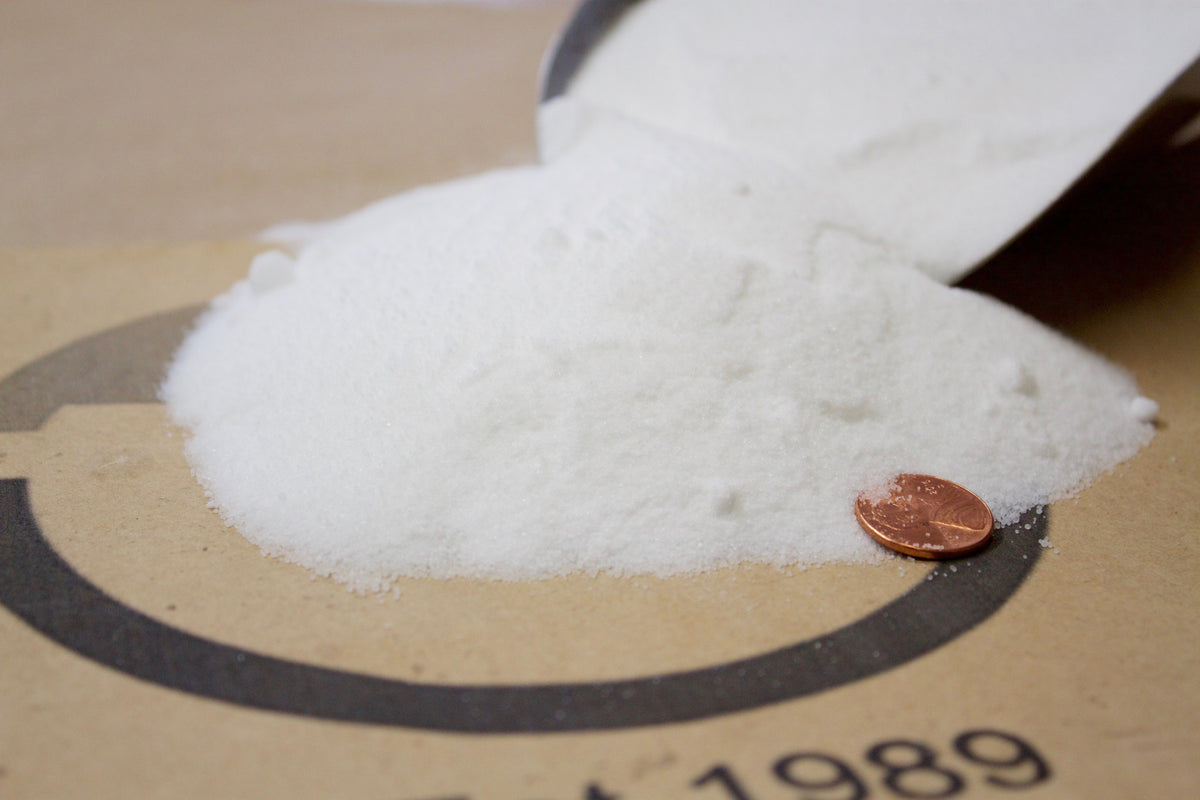
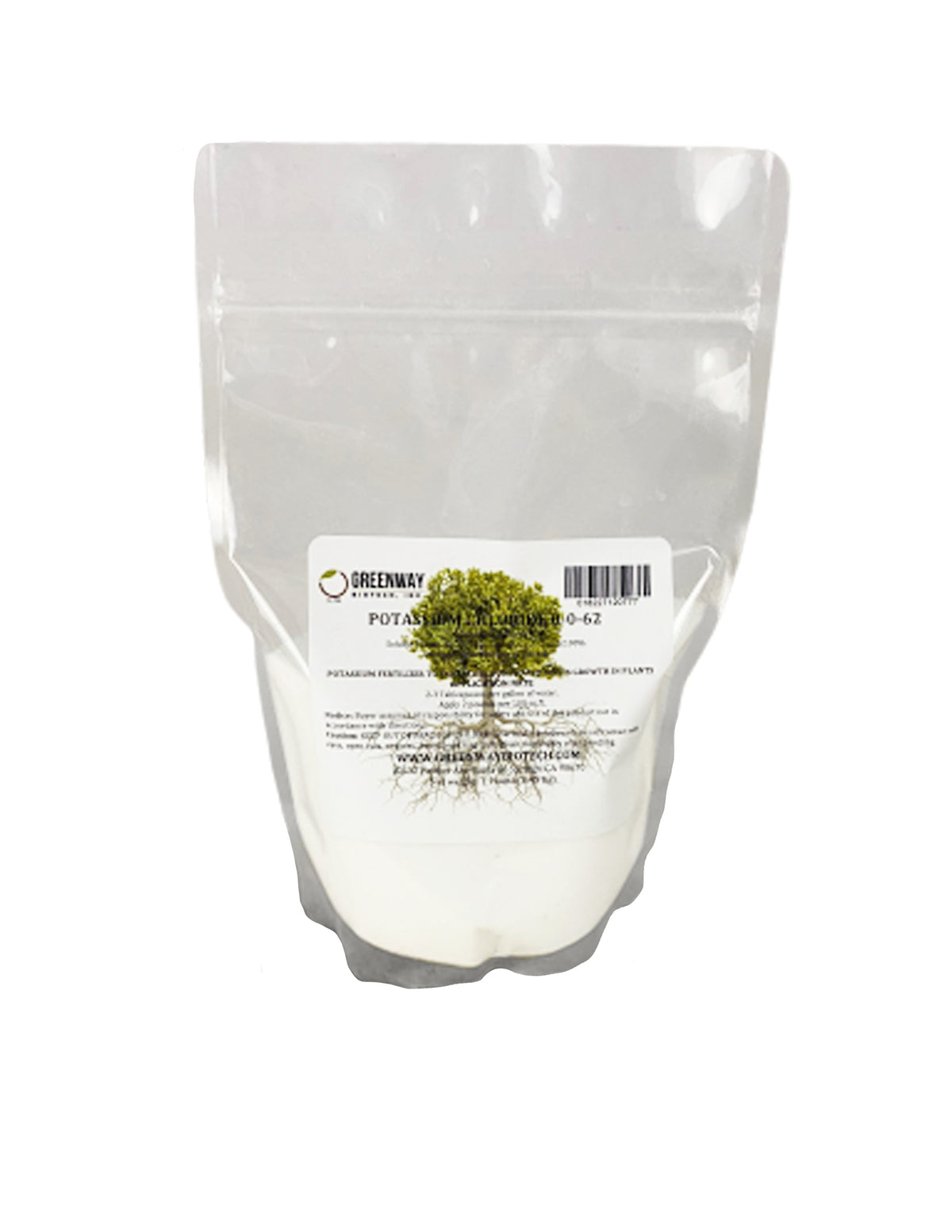
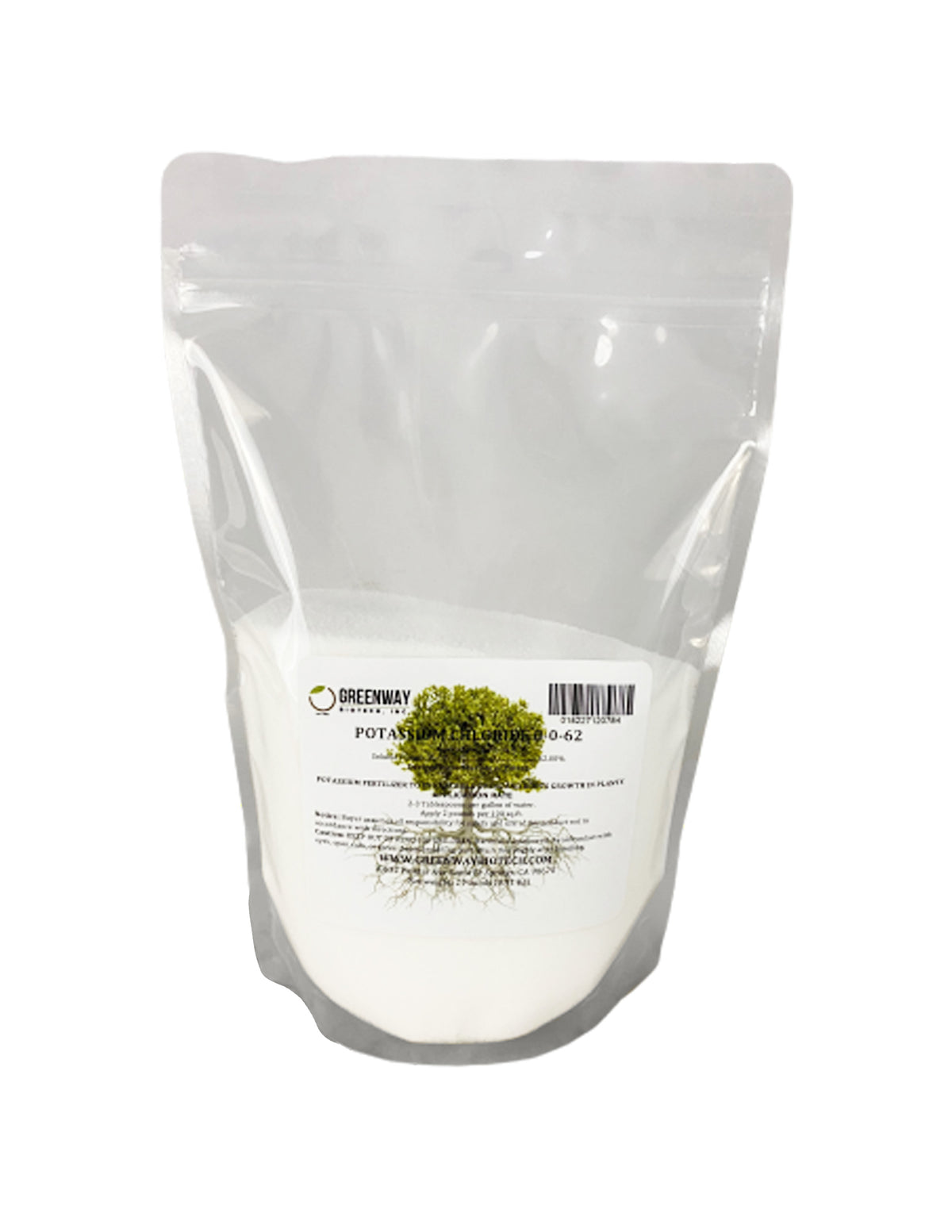
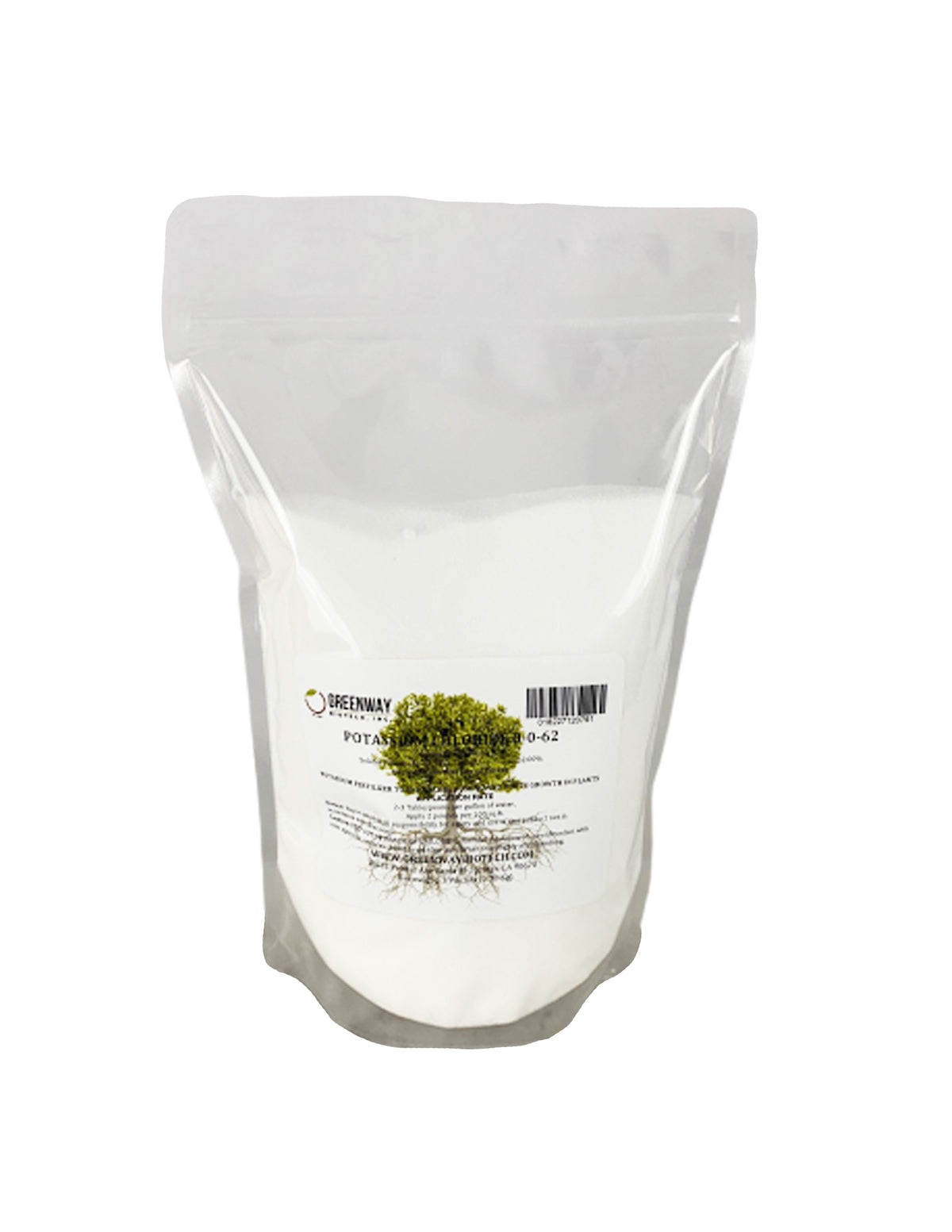
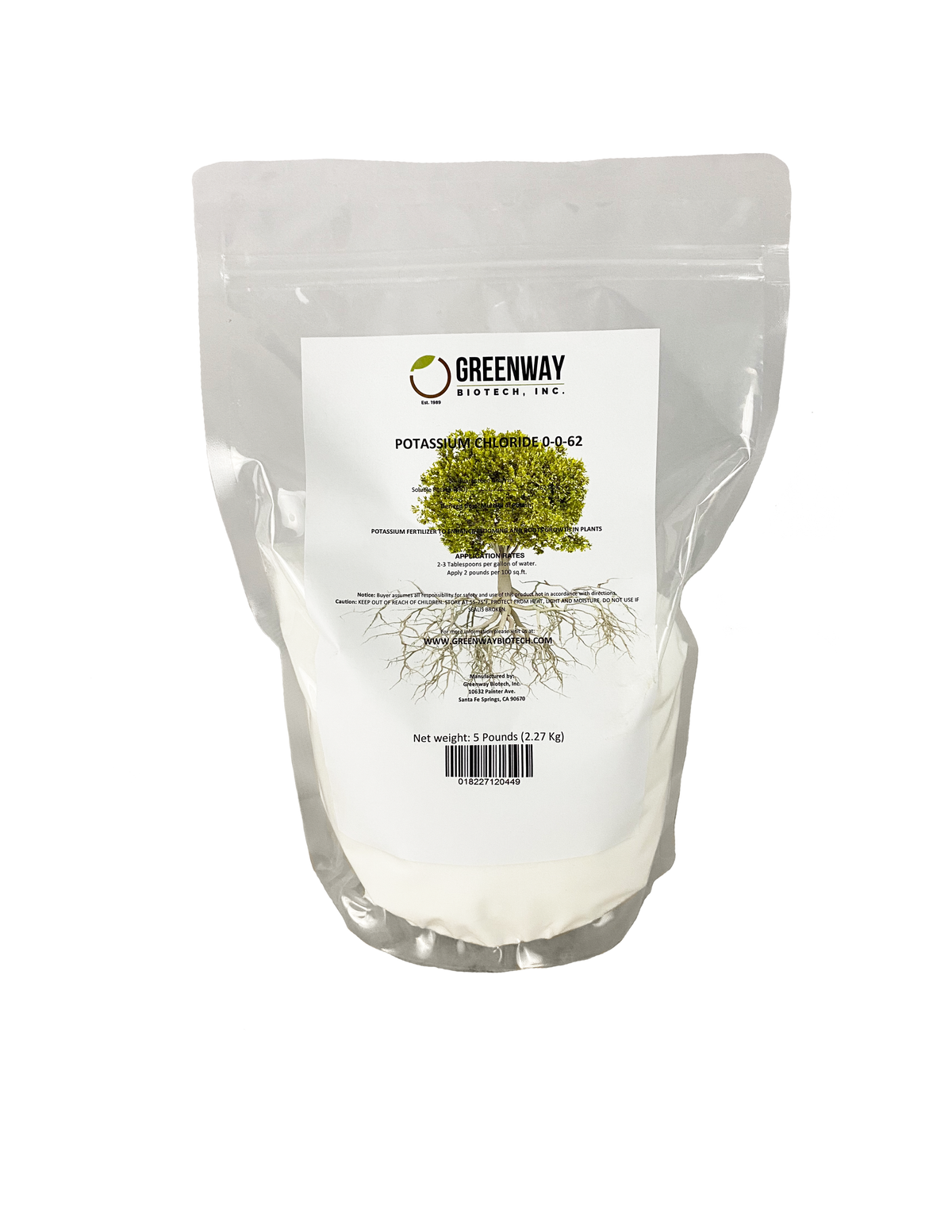
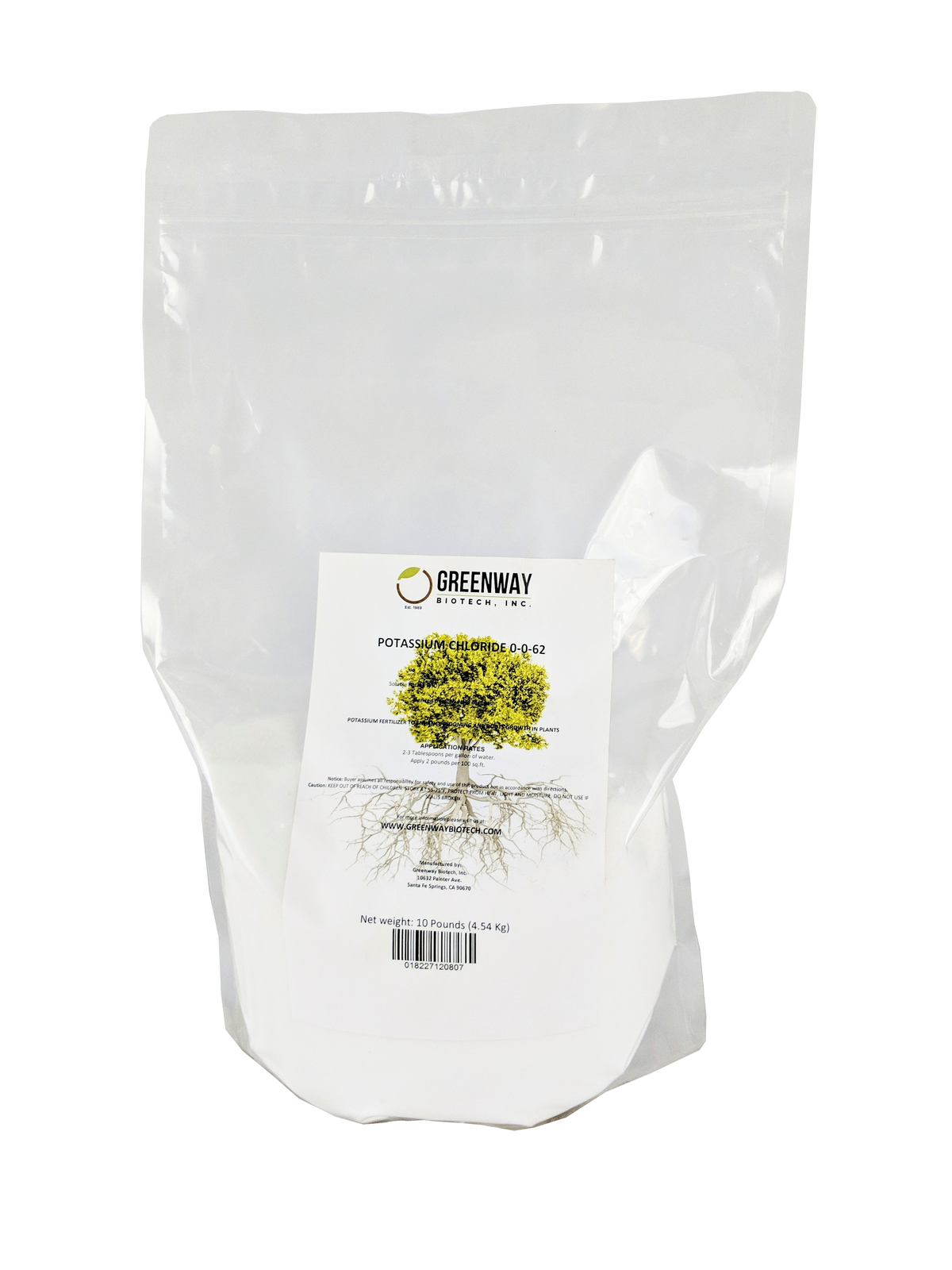
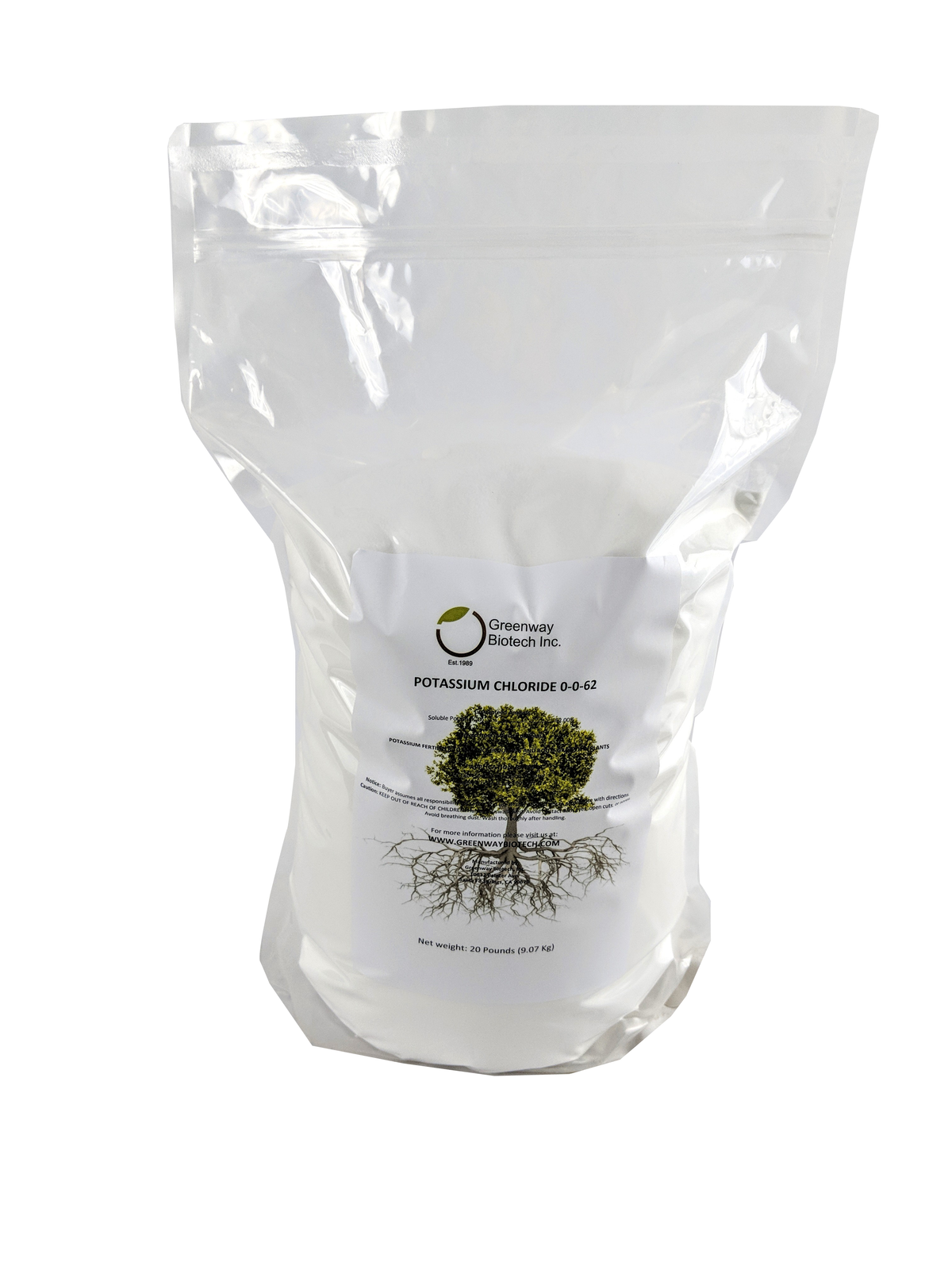
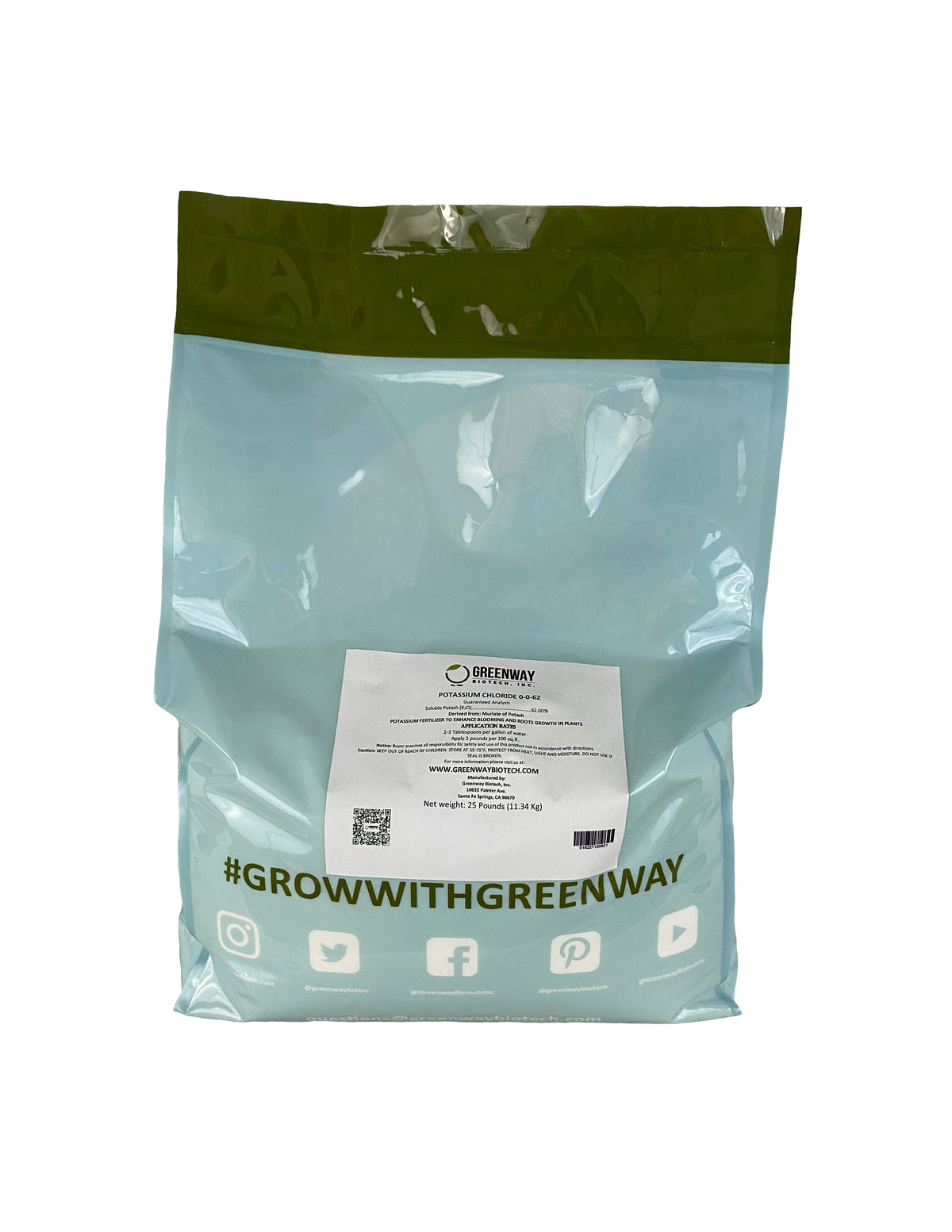
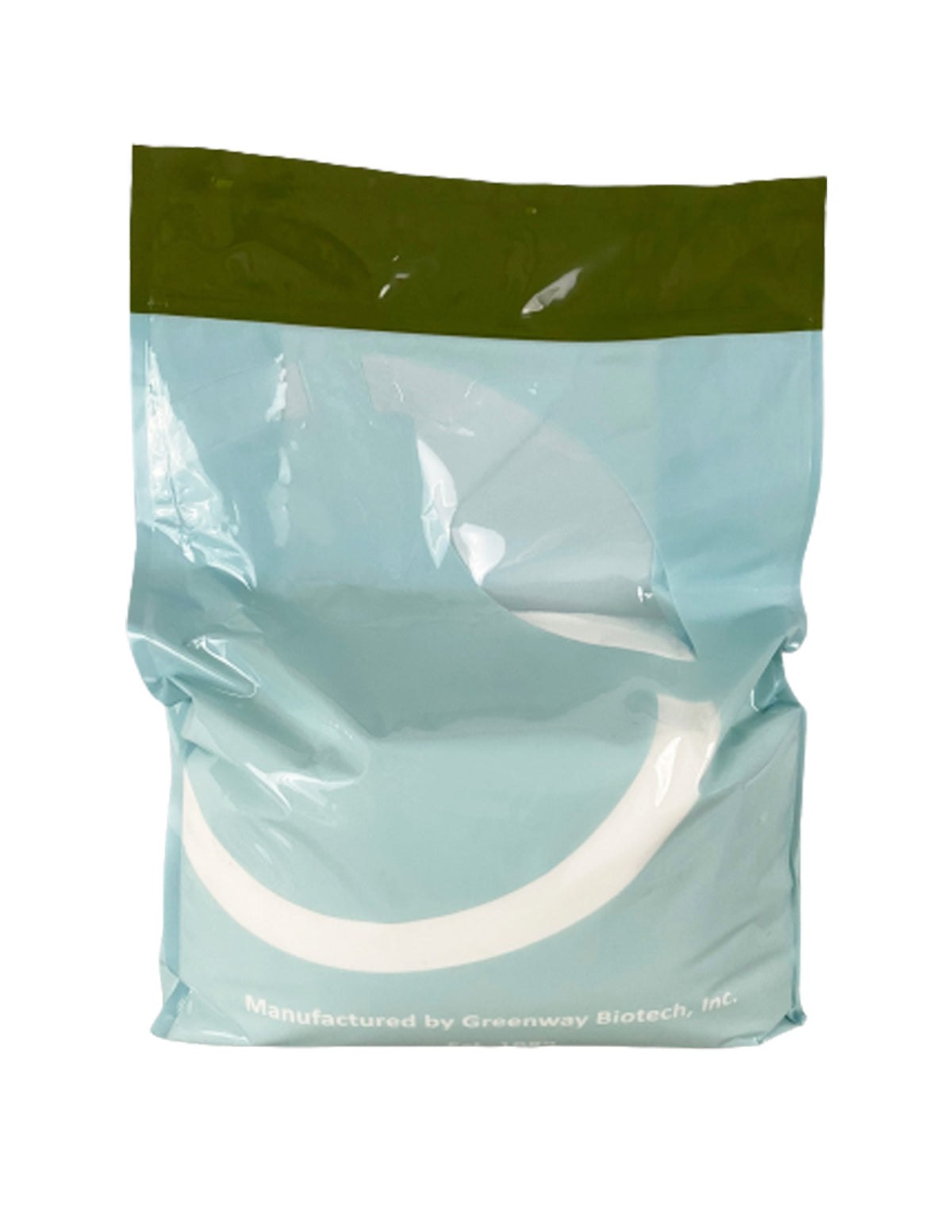
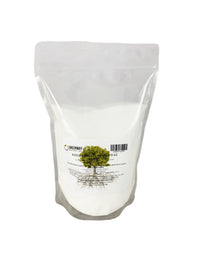
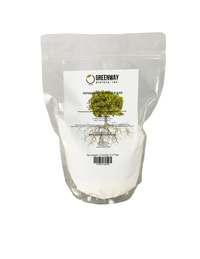
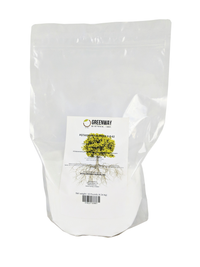
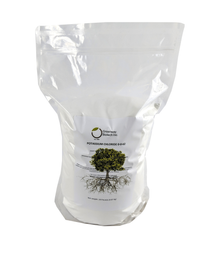
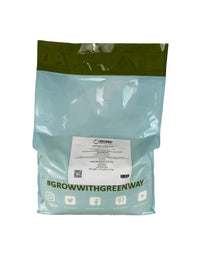
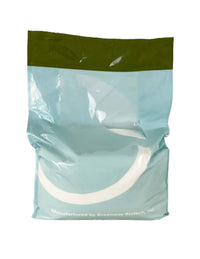
Also known as muriate of potash (MOP), Potassium Chloride 0-0-62 is one of the most concentrated and widely used dry potassium fertilizers in agriculture. CDFA registered, 100% water-soluble, and independently lab tested for heavy metals — built for chloride-tolerant field crops, lawns, turf, and broadacre fertility programs where low cost per unit of K₂O matters most.
Find your size → Calculate how much I need62%
Soluble potash (K₂O) by weight — one of the most concentrated dry K sources available
100%
Water-soluble for fertigation, drip injection, and dissolved-feed programs
~47%
Chloride content — a benefit on chloride-tolerant crops, a constraint on sensitive ones
35+yrs
Family-owned California fertilizer manufacturing
Coverage figures below assume typical reference rates: 1.5 lbs / 100 sq ft for gardens, 12.5 lbs / 1,000 sq ft / year for lawns, and 200 lbs / acre for field application. Actual rates should be set from a current soil test and yield-goal estimate. Use the calculator further down the page for crop- and area-specific math.
| Bag Size | Garden Coverage | Lawn Coverage | Field Coverage | Best For |
|---|---|---|---|---|
| 2 lb | ~133 sq ft | ~160 sq ft | — | Trial / small bed |
| 5 lb | ~333 sq ft | ~400 sq ft | — | Home garden |
| 25 lb | ~1,667 sq ft | ~2,000 sq ft | ~0.1 acre | Most popular |
| 50 lb | ~3,333 sq ft | ~4,000 sq ft | ~0.25 acre | Best value |
Muriate of potash is the workhorse potassium source for chloride-tolerant systems. The same bag fits all six of these jobs — with the caveats noted where chloride sensitivity becomes a factor.
Corn, wheat, barley, soybeans, alfalfa, and cotton. Rate depends on soil test K level, expected yield, and crop K removal — see Application Rates below.
10–15 lbs per 1,000 sq ft per year, split into 2–3 applications. Water in thoroughly to reduce surface salt injury and move K into the root zone.
1–2 lbs per 100 sq ft for chloride-tolerant crops. Avoid use on tomatoes, peppers, strawberries, potatoes, and grapes — choose a sulfate source instead.
2–3 lbs per 100 gallons injected weekly during active growth. Monitor EC; flush lines after each cycle to prevent salt buildup in emitters.
0.5–1 lb per inch of trunk diameter, broadcast at the drip line and watered in. Annual application; avoid for chloride-sensitive ornamentals.
Use with caution and only in non-recirculating systems. Chloride accumulates over time; sulfate-based K sources are preferred for most hydroponic crops.
When potassium is the goal and chloride is not a constraint, muriate of potash is the most efficient and economical way to deliver K₂O. Six reasons it dominates broadacre potassium programs worldwide.
At 62% soluble potash (K₂O), potassium chloride is one of the most concentrated dry potassium fertilizers commercially available. High analysis means less product per unit of K₂O applied — an advantage for large acreage and high-demand crop programs.
Muriate of potash is often the lowest-cost source of K₂O for chloride-tolerant crops. Potassium sulfate typically costs more per unit of K₂O but is preferred where chloride sensitivity or sulfur needs matter — making KCl the economic default for broadacre field crops.
Dissolves completely for properly managed soil application and fertigation programs. The high salt index means foliar and hydroponic applications require careful concentration management and are not appropriate for chloride-sensitive crops.
Potassium activates more than 80 enzymes involved in protein synthesis, starch formation, ATP production, and phloem loading. No other macronutrient activates as many enzymatic processes — making adequate K central to yield, fruit quality, and stress tolerance.
Research in wheat, barley, and corn has associated chloride application with reduced severity of common root and foliar diseases, and may improve nitrogen use efficiency by slowing nitrification — potentially contributing yield benefits alongside the potassium effect, though responses vary by soil type, pathogen pressure, and crop.
CDFA registered and consistent with standard agronomic recommendations for chloride-tolerant crops. Independently lab tested for heavy metal content — results consistently well below required limits. Agricultural-grade crystalline KCl refined for consistent solubility.
K₂O 62%
Potassium Chloride — KCl — CAS 7447-40-7
Potassium is involved in more plant physiological processes than any mineral nutrient except nitrogen. As the most abundant cation inside plant cells, K⁺ governs enzyme activation, phloem loading, stomatal regulation, and osmotic potential — functions that directly affect yield, quality, and stress tolerance. Unlike nitrogen, potassium is not a structural component of the plant; it works as an ionic regulator that opens and closes gates, activates enzymes, and keeps water and sugars moving through the vascular system.
Potassium chloride contains zero nitrogen and zero phosphorus — it is a single-nutrient fertilizer designed to address potassium deficiency directly without altering N or P ratios. At 62% K₂O, it is among the most concentrated potassium fertilizers commercially available and one of the most widely used potassium sources in broadacre agriculture worldwide. The chloride counter-ion (~47% by weight) is an essential plant micronutrient required for the water-splitting reaction in photosystem II and for charge balance in cellular compartments — though most soils supply adequate Cl naturally, and accumulation is a concern in sensitive crops.
The practical implication for growers: if you are running a chloride-tolerant program — corn, wheat, barley, soybeans, alfalfa, cotton, sugar beets, or turfgrass — muriate of potash delivers more K₂O per pound and typically per dollar than any other commercial K source. If you are growing chloride-sensitive crops or running a recirculating hydroponic system, the chloride load becomes a constraint and a sulfate-based source is the better fit.
For a deeper look at potassium’s role in plant biology, see our guide on What is the Function of Potassium (K) in Plants? For a side-by-side of potassium sources, see What is the Best Potassium Fertilizer?
Application rates by use case. Chloride-tolerant crops only — see the Decision Split section below for crops that should use a sulfate-based source instead. All rates should be confirmed against a current soil test.
Quick answer: For corn at 200 bu/acre, ~266 lbs KCl/acre (delivers ~165 lbs K₂O). Adjust to your soil test K level and yield goal.
📋 Field & Acreage Rates: The per-acre figures below are general references for medium-testing soils at typical yield goals. Actual rates should be based on a current soil test and local nutrient removal estimates. Consult your local extension service for site-specific recommendations.
| Crop | Typical K₂O Removal | Approx. KCl Needed | Timing Notes |
|---|---|---|---|
| Alfalfa | 50–60 lbs K₂O per ton DM | ~80–100 lbs KCl per ton DM | Apply per ton of dry matter harvested. Split heavy seasonal rates (above 300 lbs K₂O/acre) between early spring and after the second cutting to limit luxury consumption. |
| Corn (200 bu/acre) | ~165 lbs K₂O | ~266 lbs KCl | Pre-plant broadcast or split with side-dress |
| Cotton | Highly variable by yield goal | Consult local extension | Split applications strongly recommended |
| Peanuts | Highly variable by yield goal | Consult local extension | Soil test essential; apply at pegging stage (beginning of pod development) |
| Soybeans (50 bu/acre) | ~58 lbs K₂O | ~95 lbs KCl | Pre-plant broadcast. Do not apply within 2 weeks of planting on silt loam or heavier soils — allow rain to leach chloride from the seed zone. |
| Wheat / Barley | ~65–100 lbs K₂O | ~105–160 lbs KCl | Fall or early spring; based on soil test |
Quick answer: 1.5 lbs per 100 sq ft for chloride-tolerant garden crops; 10–15 lbs per 1,000 sq ft per year for lawns, split into 2–3 applications.
| Application | Rate | Frequency |
|---|---|---|
| Vegetable gardens (chloride-tolerant crops) | 1–2 lbs per 100 sq ft | Pre-plant + mid-season |
| Lawns & turf | 10–15 lbs per 1,000 sq ft / year | Split into 2–3 applications |
| Ornamental beds | 1–1.5 lbs per 100 sq ft | Spring + fall |
| Trees & shrubs | 0.5–1 lb per inch of trunk diameter | Annual; apply at drip line |
⚠️ Chloride-sensitive crops: Tomatoes, peppers, potatoes, strawberries and other berries, grapes, tobacco, citrus, and acid-loving ornamentals (azaleas, rhododendrons) may perform better with Potassium Sulfate 0-0-53. Sensitivity varies by crop, cultivar, irrigation water quality, and soil drainage.
Quick answer: 2–3 lbs KCl per 100 gallons of working solution, injected weekly during active growth.
| Stage | Concentration | Notes |
|---|---|---|
| Light feed | 1.5 lbs / 100 gal | Early growth or low-K-demand crops |
| Standard | 2.5 lbs / 100 gal | Most chloride-tolerant crops during active growth |
| Heavy feed | 3.0 lbs / 100 gal | High-K-demand crops at fruiting / heading |
| Stock solution (for fertigation only) | 3 lbs / gallon | Dilute 1:100 before injection. Not for hydroponic formulations. |
Compatibility: Use separate stock tanks for calcium fertilizers and other concentrated salts whenever possible. Always dilute each independently before combining in the main tank, and jar-test unfamiliar combinations before injecting. Flush lines after each injection cycle to prevent salt buildup in emitters.
Quick answer: KCl is not the preferred foliar K source. If foliar use is unavoidable, keep the rate at or below 2 lbs per 100 gallons and test on a small area first.
⚠️ Foliar safety check: Potassium chloride has a very high salt index (~116) and is not generally recommended for foliar use. Soil broadcast or fertigation is safer and more reliable for most growers. If foliar application is unavoidable — for example, as an emergency correction on a confirmed K-deficient field crop — use no more than 1–2 lbs per 100 gallons, apply in early morning or late afternoon below 85°F, and test on a small section of foliage first. Wait 48 hours before treating the full crop. Do not apply to drought-stressed plants or any crop with known chloride sensitivity.
For routine foliar K, use Potassium Sulfate 0-0-53 instead — chloride-free and significantly lower salt index.
Quick answer: Not preferred for recirculating hydroponics. Chloride accumulates over time and the high salt index complicates EC management.
⚠️ Hydroponic warning: Potassium chloride is generally not the preferred potassium source for recirculating hydroponic systems. Chloride accumulates with each reservoir cycle and can reach phytotoxic levels, and the high salt index makes EC management challenging. For most hydroponic crops, Potassium Sulfate 0-0-53 or MKP 0-52-34 are more suitable potassium sources.
If KCl must be used in a controlled formulation: open or drain-to-waste systems only, monitor EC and solution chloride at every reservoir change, and never use on chloride-sensitive crops (tomatoes, peppers, lettuce, strawberries, cucumbers).
Four steps from bag to root zone — with the calculator on the right doing the math for your specific area, crop, or tank volume.
Check your crop or grass variety against the chloride-sensitive list before applying. For tomatoes, peppers, strawberries, potatoes, grapes, citrus, or tobacco, switch to Potassium Sulfate 0-0-53 — chloride-free and significantly lower salt index.
Over-application increases soil salinity and can reduce yields. Confirm potassium deficiency before applying, and re-test every 2–3 years on lawns and home gardens, annually on production fields.
Spread granules evenly using a spreader or by hand for small areas. Incorporate into the top 2–4 inches of soil with a rake or tiller to reduce salt concentration near the surface. Water thoroughly after application to move K into the root zone.
For high-rate applications (cotton, peanuts, heavy turf, alfalfa above 300 lbs K₂O/acre), split the total into 2–3 applications spaced 3–4 weeks apart. For corn in ridge-till or no-till systems, banded application of 40–50 lbs K₂O per acre (~65–83 lbs KCl) placed 2 inches to the side and 2 inches below the seed is recommended even on high-testing soils (UMN Extension). In fertigation programs, dissolve completely before adding to the injection tank and use separate stock tanks for calcium fertilizers.
Muriate of potash earns its place as the broadacre K workhorse. The table shows where each potassium source fits — chloride, sulfur, magnesium, and phosphate all play a role in choosing the right one. For deeper coverage, see What is the Best Potassium Fertilizer?
| Product | K₂O | Co-nutrients | Chloride | Best For |
|---|---|---|---|---|
| Potassium Chloride 0-0-62 (this product) | 62% | None | ~47% | Chloride-tolerant field crops, lawns, turf — lowest cost per unit K₂O |
| Potassium Sulfate 0-0-53 | 53% | 17% S | None | Chloride-sensitive crops, hydroponics, premium fruit, foliar |
| K-Mag 0-0-22 (langbeinite) | 22% | 11% Mg, 22% S | <2.5% | K + Mg + S in one product; soil application |
| MKP 0-52-34 | 34% | 52% P₂O₅ | None | Bloom-stage feeding where both P and K are needed |
A short checklist either confirms the fit or points you to a better-suited alternative.
Potassium chloride supplies only potassium. Pair it with complementary nitrogen, phosphorus, and secondary-nutrient sources to build a complete program tailored to your crop and soil test.
One of the most concentrated solid nitrogen sources available. Combine with KCl for a high-analysis NK dry blend for corn, wheat, and grass programs.
Nitrogen + SulfurFast-acting nitrogen plus 24% sulfur. Pairs well with KCl on sulfur-deficient soils growing nitrogen- and potassium-demanding crops like corn and alfalfa.
Phosphorus + NitrogenHigh-phosphate nitrogen source. Combine with KCl for NPK programs requiring concentrated phosphorus delivery alongside potassium.
Magnesium + NitrogenSoluble nitrate-nitrogen with 9.6% magnesium for fertigation. Addresses magnesium deficiency in high-K soils where potassium can antagonize Mg uptake.
Potassium chloride is not classified as hazardous under OSHA HazCom 2012, but the high salt index and hygroscopic nature warrant proper handling. Refer to the SDS for complete safety information.
If your question isn’t here, contact our team at questions@greenwaybiotech.com or (562) 351-5168, Mon–Fri 7AM–5PM PST.
Potassium chloride (KCl) is one of the most concentrated and widely used potassium fertilizers in the world, containing 62% K₂O. Its key distinction from other potassium sources is that it contains approximately 47% chloride alongside potassium. Potassium sulfate (0-0-53) supplies potassium with sulfur and no chloride — preferred for chloride-sensitive crops. K-Mag (0-0-22) supplies potassium, magnesium, and sulfur without chloride. Muriate of potash is often the lowest-cost option per unit of K₂O, making it the dominant choice for chloride-tolerant field crops on large acreage.
Crops that are sensitive to elevated chloride levels include tobacco (reduces leaf quality), potatoes (can lower specific gravity and cause internal blackening), strawberries and raspberries (may reduce sugar content), grapes (can affect wine quality), tomatoes and peppers (quality and flavor impacts), citrus (leaf burn risk), and acid-loving ornamentals like azaleas and rhododendrons. For any of these crops, use Potassium Sulfate 0-0-53 or K-Mag 0-0-22 as chloride-free alternatives. Sensitivity varies by crop, cultivar, irrigation water quality, and soil drainage — a soil chloride test can help determine whether accumulation is already a concern.
Potassium is involved in more plant physiological processes than any mineral nutrient except nitrogen. It activates over 80 plant enzymes, regulates stomatal opening and closing (which controls water use and CO₂ intake), drives sugar loading into the phloem for transport to fruits and roots, and strengthens cell walls against disease and physical stress. Potassium deficiency typically shows as scorching or browning along leaf margins, reduced fruit size, and increased susceptibility to drought and disease. For a deeper look at potassium’s role in plant health, see our article: What is the Function of Potassium (K) in Plants?
Yes, with care. Use separate stock tanks for calcium fertilizers and other concentrated fertilizer salts whenever possible. Always dilute each independently before combining in your main fertigation tank, and jar-test unfamiliar tank mixes before injecting. At working concentrations (2–3 lbs KCl per 100 gallons), the two are widely used together in greenhouse and drip irrigation programs — but concentrated stock solutions should never be mixed directly.
Chloride is actually an essential plant micronutrient — required in small amounts for the water-splitting step in photosynthesis and for osmotic regulation. In grain crops like wheat and barley, chloride application has been associated in research with reduced severity of common root rot, take-all disease, and stripe rust, sometimes contributing yield benefits beyond what potassium alone would provide. The concern arises with sensitive crops or when chloride accumulates in soil through repeated high-rate KCl applications without adequate leaching. Sandy, high-rainfall soils rarely develop chloride problems; heavier soils with limited drainage or irrigation water already high in chloride deserve more attention. For more on how potassium and manganese interact in plant nutrition, see: What is the Role of Manganese and Potassium?
Potassium chloride has a salt index of approximately 116 (relative to sodium nitrate = 100), which is among the highest of any common potassium fertilizer. A high salt index means the product creates more osmotic pressure in the soil solution per unit weight, which can slow germination, reduce root growth, and cause foliar burn if applied at excessive rates or in direct contact with seeds, seedling roots, or foliage. Practical management: avoid seed-zone contact, split high rates into multiple applications, water in thoroughly after broadcast application, and keep foliar concentrations low — test on a small area first.
Muriate of potash is often the lowest-cost source of K₂O for chloride-tolerant crops. Potassium sulfate typically costs more per unit of K₂O but is preferred when the crop is chloride-sensitive, the soil is already high in chloride, sulfur is needed alongside potassium, or product quality is a primary concern (sugar crops, premium vegetables, tobacco). For mixed operations with both tolerant and sensitive crops, keeping both products on hand is the most flexible approach.
Generally, it is not the preferred K source for hydroponics — particularly recirculating systems. Chloride accumulates over time as the solution is recirculated and can reach phytotoxic levels, and the high salt index makes EC management more challenging. For most hydroponic crops, Potassium Sulfate 0-0-53 or MKP 0-52-34 are the better choices. If KCl must be used, restrict to open or drain-to-waste systems on chloride-tolerant crops only, and monitor solution chloride at every reservoir change.
Corn at a 200 bu/acre yield goal typically removes about 165 lbs of K₂O per acre — which translates to roughly 266 lbs of KCl per acre (because KCl is 62% K₂O: 165 ÷ 0.62 ≈ 266). Actual rates depend on soil test K level, expected yield, and field history. Use the calculator above for your specific acreage and crop, and always confirm with a current soil test. For corn specifically, consider banding 50–60% of the seasonal rate 2 inches to the side and 2 inches below the seed at planting, with the balance pre-plant broadcast.
Soybeans are more chloride-sensitive than corn or wheat, so timing matters. Purdue and University of Minnesota Extension recommend not applying potash within 2 weeks of planting on silt loam or heavier-textured soils — you want at least an inch or two of percolating rainfall to move chloride out of the seed zone before germination. Limit pre-plant potash directly ahead of soybeans to about 100 lbs of muriate of potash per acre when soil tests show medium or higher K levels. For a 60 bu/acre maintenance program, ~115 lbs KCl per acre supplies the K₂O removed by the crop. Soybeans can tolerate KCl when timing and rate are managed; problems appear when high chloride loads contact germinating seeds.
Potatoes are genuinely chloride-sensitive: research from the University of Minnesota and OSU Extension shows KCl can lower tuber specific gravity compared to potassium sulfate. For most potato programs, Potassium Sulfate 0-0-53 is the safer choice. However, when potassium demand is very high (300+ lbs K/acre), Extension guidance is to split the program — apply roughly half as potassium sulfate and half as potassium chloride. This can deliver the K the crop needs while keeping the chloride load below the threshold that damages specific gravity. As always, confirm with a current soil test and your local extension service.
Potassium chloride is not classified as hazardous under OSHA HazCom 2012, but standard handling precautions apply. Wear chemical-resistant gloves and safety glasses, use a dust mask when working with dry product in enclosed spaces, and wash hands thoroughly after handling. Store sealed in a cool, dry place — KCl is hygroscopic and will cake if exposed to humid air. Keep out of reach of children and pets. For complete safety information, see the Safety Data Sheet (SDS).
Available in 2 lb, 5 lb, 25 lb, and 50 lb sizes from our Madera, California facility. Free shipping on orders over $100. 90-day money-back guarantee on every purchase.
Choose your size →