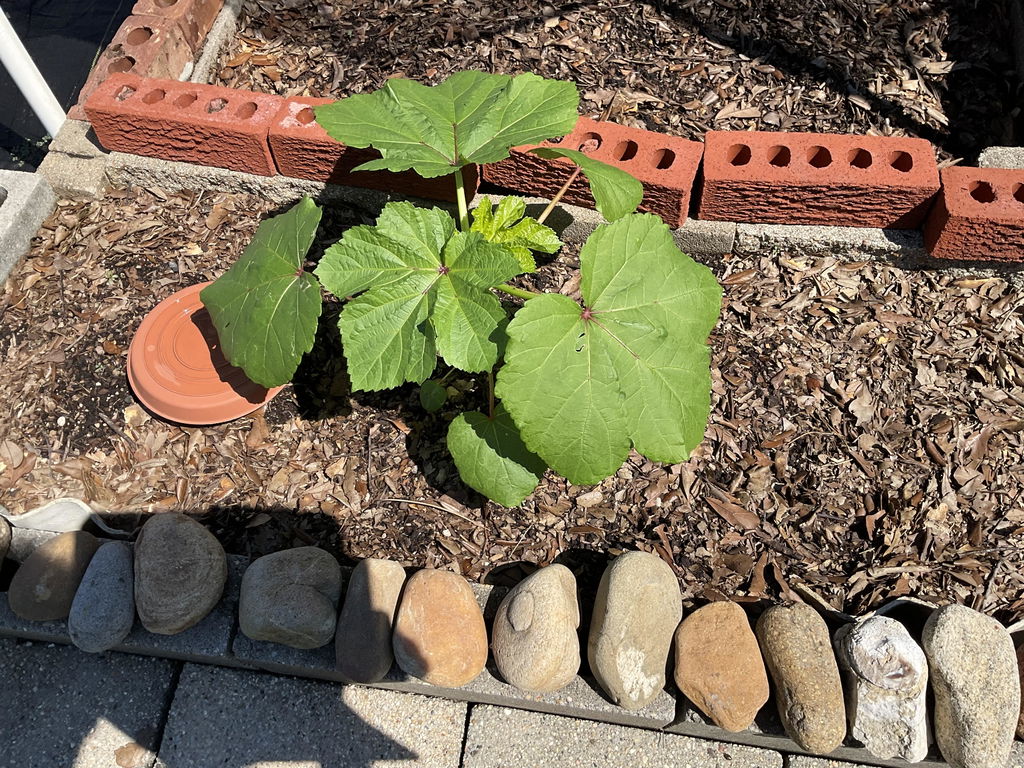
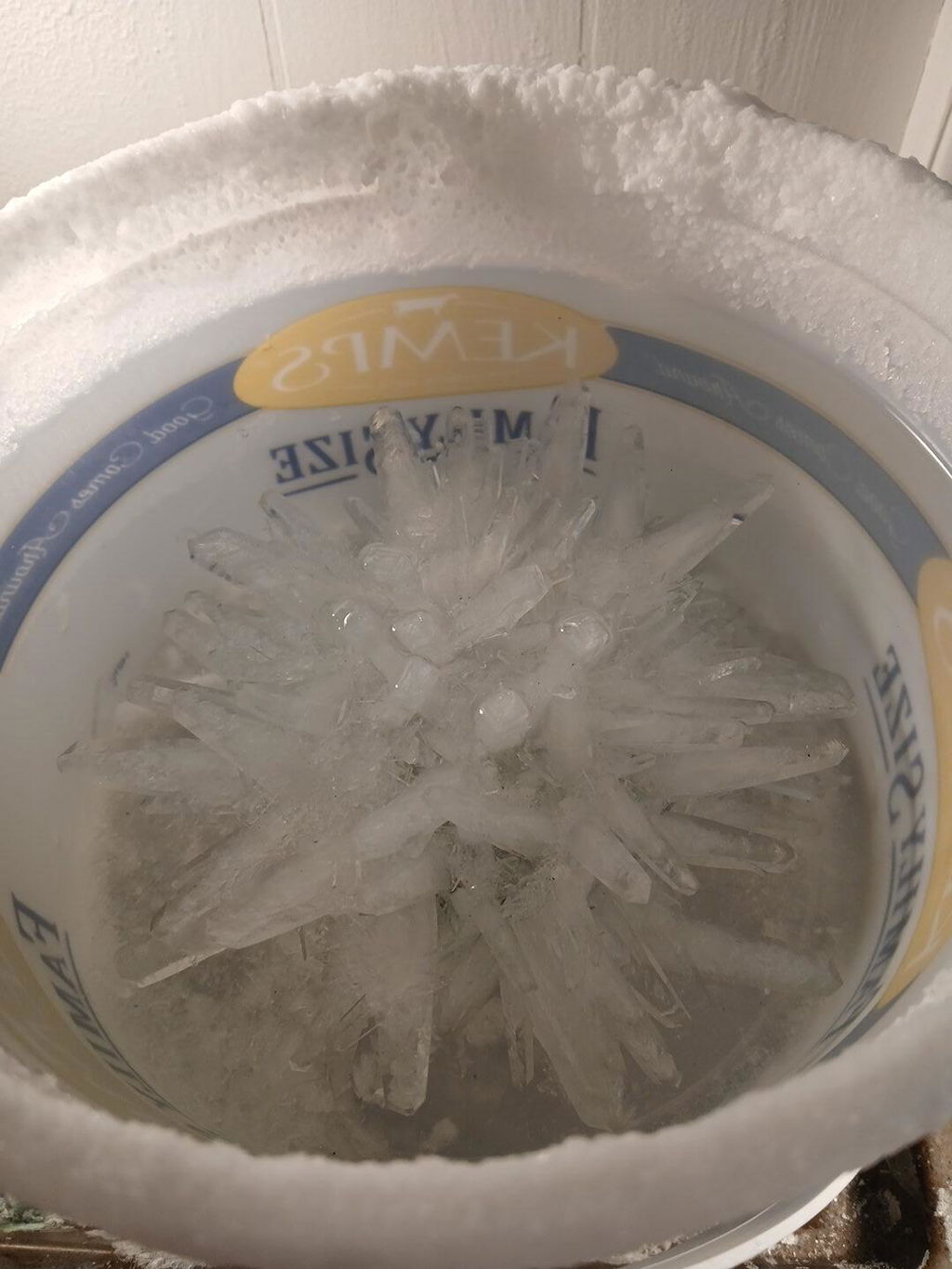
Lawns that need nitrogen
A soluble nitrogen source when appropriate for the grass, season, and local feeding guidance. Avoid stressed or dormant turf.

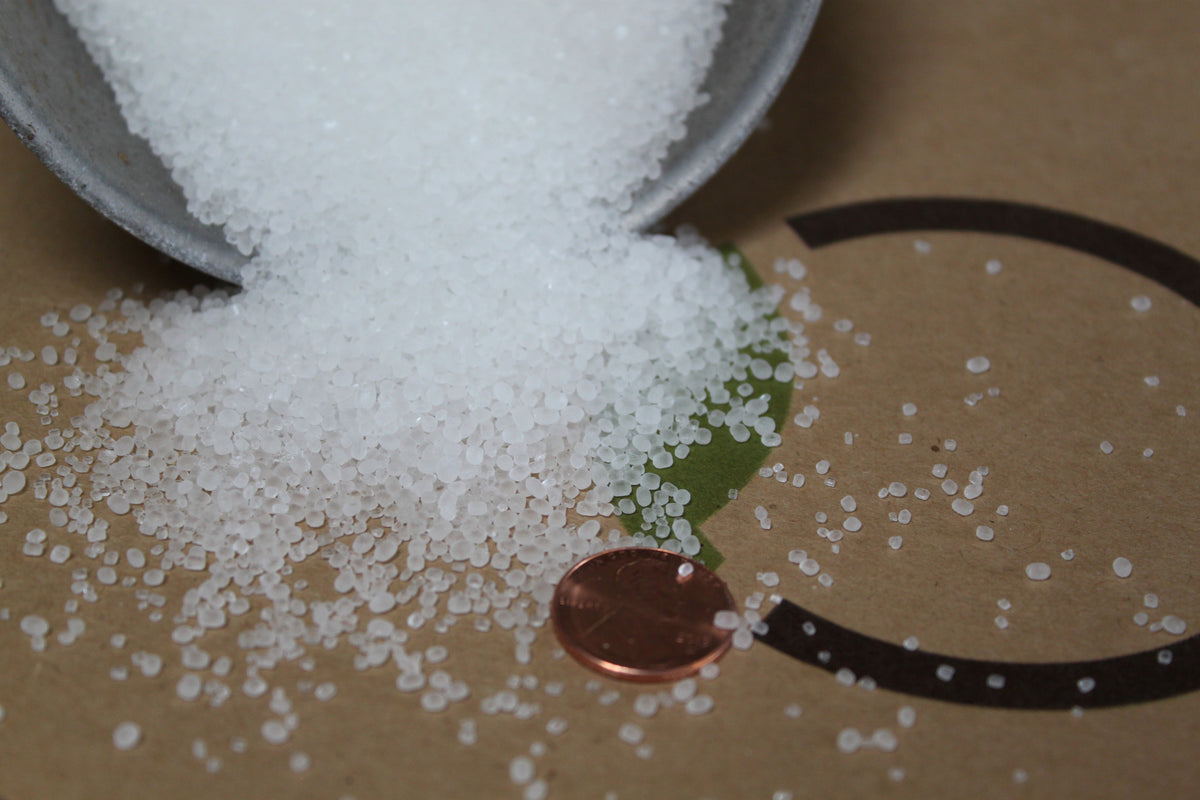




Ammonium Sulfate Fertilizer 21-0-0
A water-soluble source of nitrogen and sulfur for lawns and crops that need both. Useful in appropriate blueberry and acid-loving plant programs, with rates chosen for the crop and soil conditions.
| Nutrient | Percentage by weight |
|---|---|
| Total nitrogen (N) | 21% |
| Ammoniacal nitrogen | 21% |
| Sulfur (S) | 24% |
Nitrogen is supplied as ammonium and sulfur as sulfate. The grade declares no available phosphate (P₂O₅) or soluble potash (K₂O). This product supplies two nutrients; it is not a complete fertilizer.
Weigh the product rather than assuming a teaspoon or cup weight. The SDS lists an anti-caking ingredient, so complete solubility of ammonium sulfate does not establish a zero-residue guarantee for the packaged formulation.
A soluble nitrogen source when appropriate for the grass, season, and local feeding guidance. Avoid stressed or dormant turf.
Provides ammonium-based nitrogen. Select rates for plant age, growing conditions, and location rather than applying one dose to every bush.
Supplies both where the crop recommendation identifies a need. Include nutrients from other fertilizers in the total.
If nitrogen is already adequate, do not add more just to lower pH. Soil acidification and sulfur-only needs require their own plan.
Measure fertilizer by weight. Choose a rate for your grass or crop, account for other nutrient sources, and check soil pH. Avoid a fixed feeding schedule for all plants.
| Use | Product amount | Conditions |
|---|---|---|
| Lawn: 0.5 lb N target | Approximately 2.38 lb per 1,000 sq ft | One application when appropriate for the grass and season. Water in; avoid stressed or dormant turf. |
| Blueberries: Maryland second-year example | 2 oz (56.7 g) per plant per application | At bloom and again three weeks later; plants in the ground, not containers. |
| Vegetables and field crops | Required nitrogen weight ÷ 0.21 | Use a crop-specific recommendation; the calculator supplies the conversion, not the nitrogen target. |
| Other ornamentals | Use a prescribed product weight per plant | Do not transfer blueberry rates to azaleas, rhododendrons, or camellias. |
Nebraska Extension illustrates modest, season-specific lawn nitrogen applications and conversion by fertilizer analysis. Its regional calendar should not be copied nationwide. UF/IFAS guidance limits a soluble-nitrogen application to 0.7 lb N per 1,000 sq ft. The calculator adopts that ceiling for its lawn mode; local guidance or rules may call for less.
Maryland’s blueberry guide advises no fertilizer in the first year after planting. For its second-year example, distribute each dose in a ring 12–18 inches from the plant. Older plants and other growing conditions require an adjusted plan.
Measure the treatment area and weigh the required fertilizer.
Keep granules off leaves and stems. Avoid piles and overlapping heavy passes.
Remove granules from paving before irrigation. Keep fertilizer out of drains and waterways.
Water the treated soil area without runoff, then reassess need before feeding again.
Product needed = required nitrogen ÷ 0.21. The interactive calculator also checks current bag sizes and prices.
Coverage below is for one application at 0.5 lb N per 1,000 sq ft. A different nitrogen target changes coverage. Bag prices and availability appear in the calculator.
| Package weight | Calculated coverage |
|---|---|
| 2 lb | 840 sq ft |
| 5 lb | 2,100 sq ft |
| 10 lb | 4,200 sq ft |
| 25 lb | 10,500 sq ft |
| 50 lb total (one 50 lb bag or two 25 lb bags) | 21,000 sq ft |
Soil microbes can convert ammonium into nitrate, releasing acidity. The resulting pH change depends on soil buffering and carbonate content as well as growing conditions. Ammonium sulfate supplies nitrogen; it is not a measured substitute for elemental sulfur in a pH-correction plan.
Do not exceed the crop’s nitrogen requirement to chase a lower pH. Highly calcareous soils may resist lasting acidification. Utah State Extension explains these limits.
For fertigation, check your water and fertilizer compatibility at the intended dilution. Keep calcium out of concentrated sulfate stock solutions and use separate stocks where required. The SDS lists an anti-caking ingredient, so a zero-residue or clog-free promise is not appropriate. This is a fertilizer; follow the pesticide label if selecting a spray-water conditioner.
For background on nitrogen forms and sources, see our nitrogen fertilizer comparison guide. Use the weighed rates on this product page for application calculations.
| Source | Main nutrients | Key distinction |
|---|---|---|
| Ammonium sulfate 21-0-0 | Nitrogen and sulfur | Ammonium nitrogen; acidification can occur over time. |
| Urea 46-0-0 | Nitrogen | Higher nitrogen concentration per pound; does not supply sulfur. |
| Calcium nitrate 15.5-0-0 | Nitrogen and calcium | Mostly nitrate nitrogen; a different fit for crop and nutrient needs. |
| Elemental sulfur | Sulfur; no nitrogen | Used in soil-test-based acidification plans; microbial oxidation and soil buffering affect response. |
Choose by crop requirements, soil pH, and other nutrient inputs. Higher nitrogen concentration does not make a product better for every plant.
Use the product SDS below for complete handling and first aid.
It supplies 21% total nitrogen, all as ammoniacal nitrogen, and 24% sulfur. The 21-0-0 grade lists nitrogen, available phosphate (P₂O₅), and soluble potash (K₂O); sulfur is listed separately. This is a nitrogen-and-sulfur fertilizer, not a complete nutrient program.
Choose a nitrogen target appropriate for your grass, season, and local guidance. A target of 0.5 lb nitrogen per 1,000 sq ft requires approximately 2.38 lb of this 21% nitrogen product. Spread evenly and water in. This is one application, not an automatic year-round schedule. The calculator uses 0.5 lb N as its starting example and limits lawn inputs to 0.7 lb N per application; that ceiling is a calculator precaution informed by Florida guidance, not a nationwide rule.
Blueberries commonly benefit from ammonium-based nitrogen. As one regional example, University of Maryland Extension recommends 2 oz by weight per plant at bloom and another 2 oz three weeks later in the second year after planting. Its first-year recommendation is no fertilizer. These directions concern plants in the ground; older plants, other regions, and containers need their own plan.
It can acidify soil as microbes convert ammonium to nitrate. The size and speed of the change depend on soil buffering and carbonate content, moisture, temperature, and management. Do not add excess nitrogen just to force pH down. Strongly calcareous soils can resist lasting pH change even with acidifying fertilizers.
Ammonium and sulfate become available in soil water when the fertilizer dissolves. Visible response depends on whether nitrogen or sulfur was limiting, along with temperature, moisture, and plant growth. There is no guaranteed 24-hour response or fixed number of weeks before another dose is needed.
Use a crop-specific nitrogen recommendation and account for other fertilizers and soil pH. The calculator converts an entered nitrogen target or a prescribed per-plant product dose into product weight. It does not assign one universal tablespoon dose to all vegetables or acid-loving ornamentals.
Ammonium sulfate is water-soluble, but dilution, water chemistry, formulation, and other ingredients affect compatibility. Keep calcium fertilizers out of concentrated sulfate stock solutions. Use separate stocks and check compatibility at the intended dilution before mixing. Do not assume this fertilizer grade will leave zero residue or that it replaces a pesticide-label-specified spray adjuvant.
Ammonium sulfate and urea can be used in professionally formulated fertilizer blends, but their mixtures absorb moisture more readily and can cake during storage. Keep this product sealed and separate during storage, as its SDS directs. Avoid improvised stored blends; use a verified formulation and suitable storage controls.
Keep fertilizer off leaves and stems, distribute it evenly, and water the intended soil area after application. Avoid feeding drought-stressed or dormant turf. Sweep spills off pavement before watering and keep fertilizer out of drains and waterways. The current SDS warns of surface staining; do not hose spilled fertilizer into the street.
Consult the product SDS for handling, storage, and first aid. Keep the product sealed, dry, and out of reach of children and pets. Request the current label or batch documentation from Greenway Biotech at questions@greenwaybiotech.com.
Explore nitrogen forms and fertilizer choices. For this product’s rates, use the application table and calculator above.
Growing blueberries? Maryland Extension’s blueberry guide provides the planting-age context behind the regional example used here.
Store sealed and dry, separate from incompatible materials. Avoid breathing dust and contact with eyes; wash after handling. Keep out of reach of children and pets.
Read the product SDS for full handling and first-aid information. For a current label or batch documentation, email questions@greenwaybiotech.com.
Regional examples retain their crop and location context. Product conversions use 21% nitrogen and 24% sulfur; they do not establish a universal feeding schedule.
For help selecting a program, email questions@greenwaybiotech.com with the crop, plant age or treatment area, and available soil test information.